Mauritania
One of the least densely populated countries in the world, Mauritania is located in Northwest Africa, bordered by the Atlantic Ocean to the west, Western Sahara to the north, Algeria to the northeast, Mali to the east and south, and Senegal to the southwest.
The capital city is Nouakchott, which is also the largest city in the country. The country had a population of about 4.5 million in 2023.
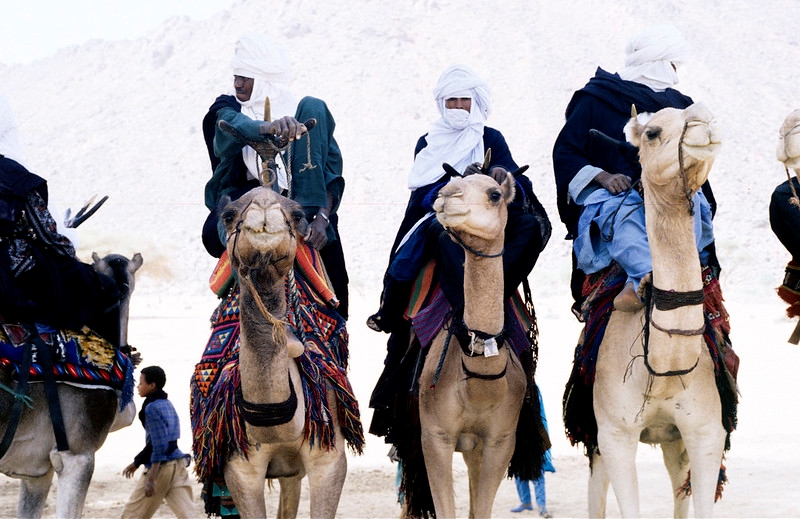
Moors, being Arabs and Berbers ,make up
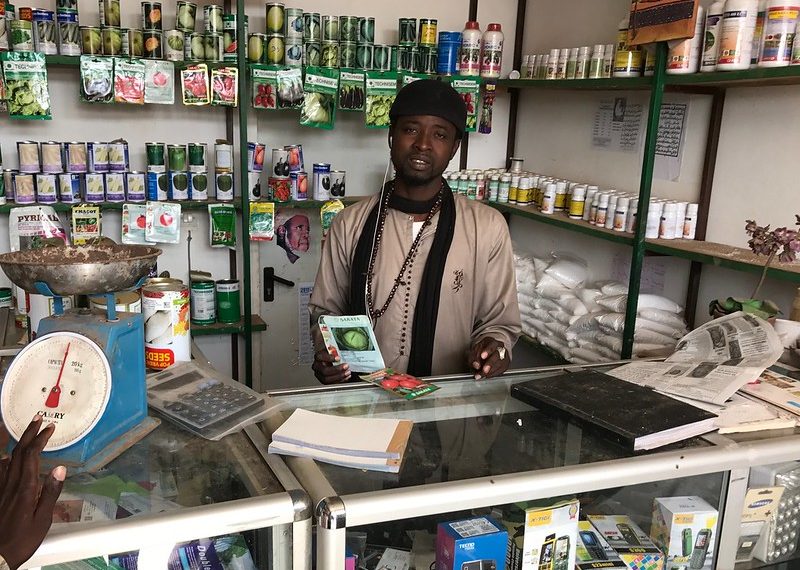
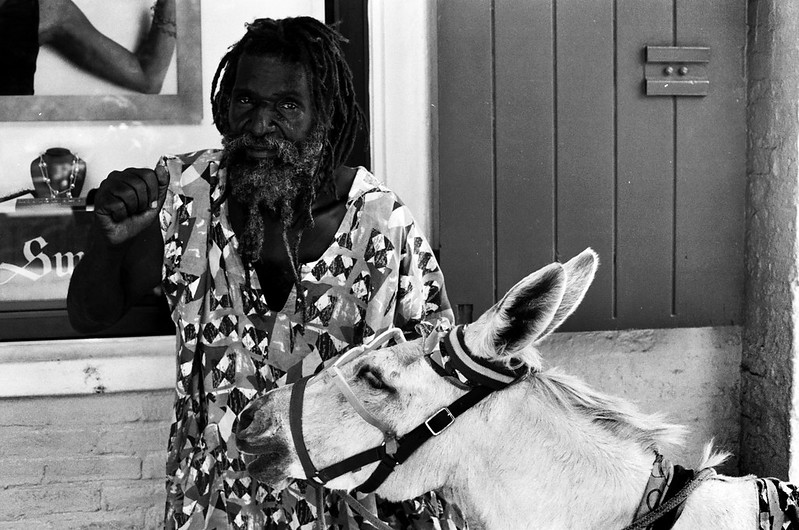
70% of the population with black Africans (including Halpulaar, Soninke, Wolof, ) making up the the other 30%. Arabic is the official language but French is widely used in government & media.
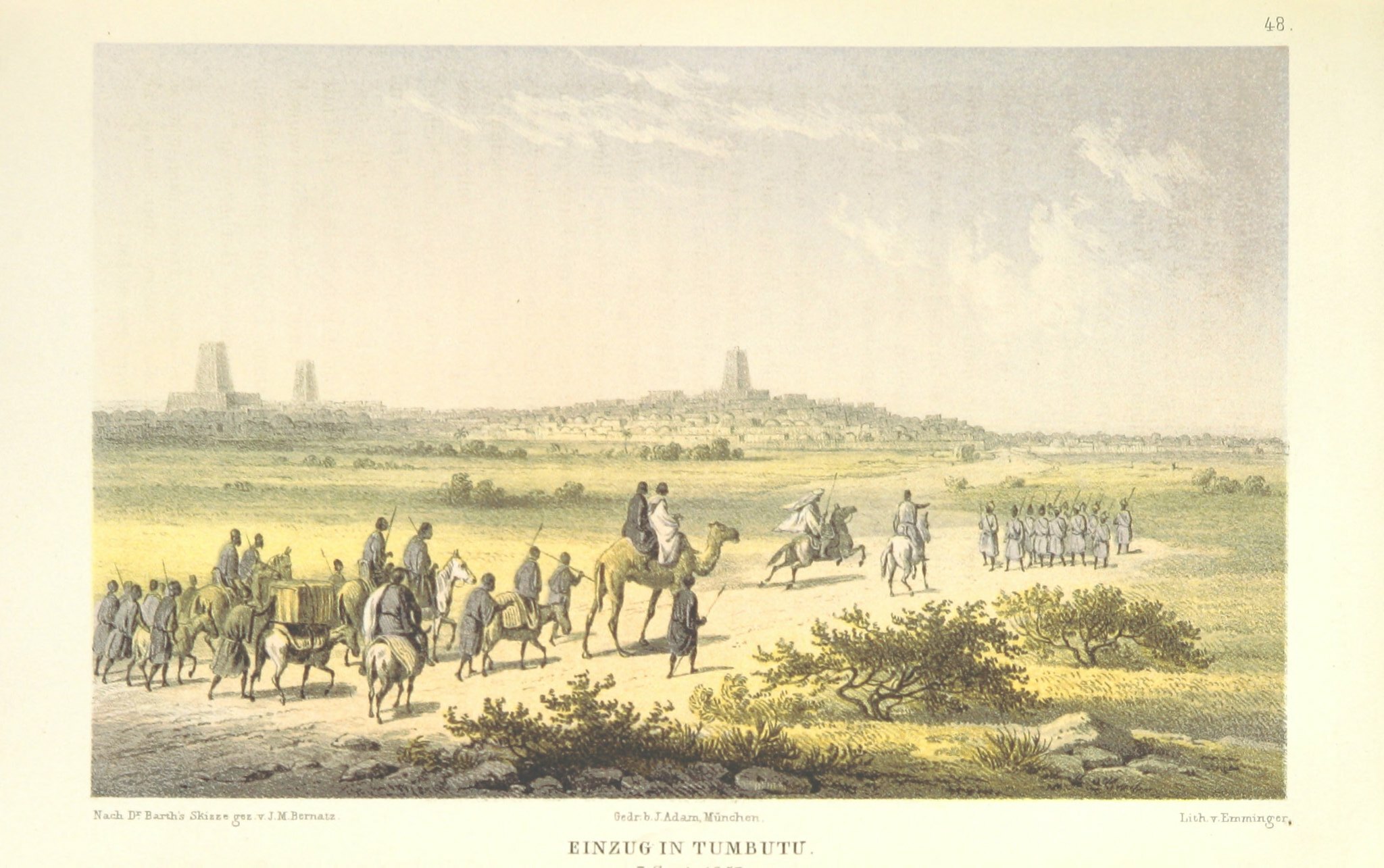
Ancient trade routes passed through Mauritania which was part of the Ghana Empire and later the Moroccan Almoravid dynasty.
Read More
Colonised by France in the early 20th century, it gaining independence in 1960.. It experienced authoritarian rule and military coups before transitioning to a civilian government in recent decades.
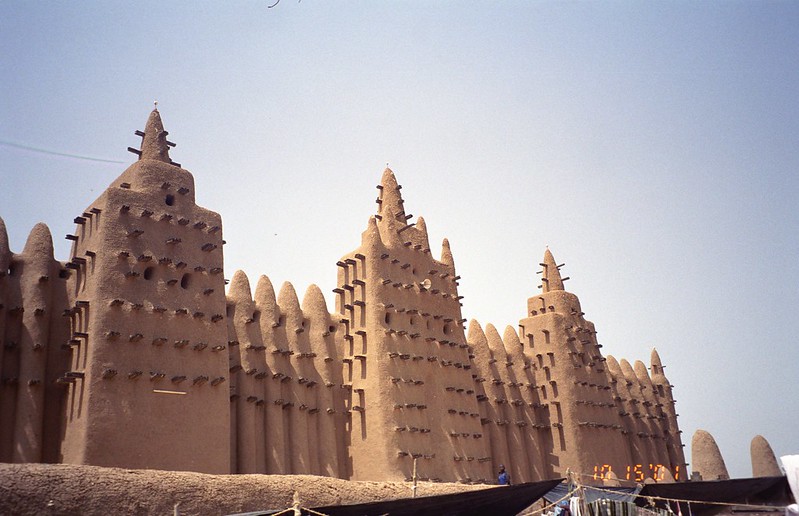
Mauritania has a rich cultural heritage influenced by Arab, Berber, and African traditions. The nation is predominantly Islamic, and this plays a significant role in the daily lives and customs of its people. It is known officially as the Islamic Republic of Mauritania.
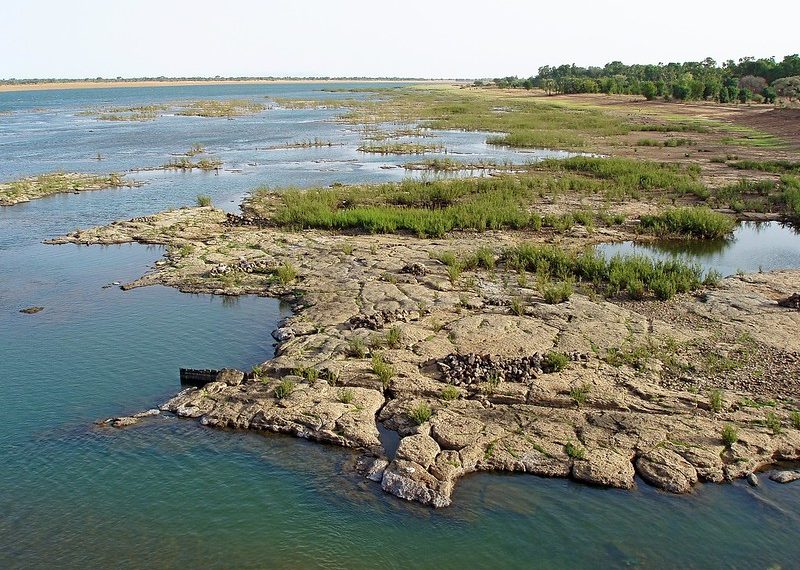
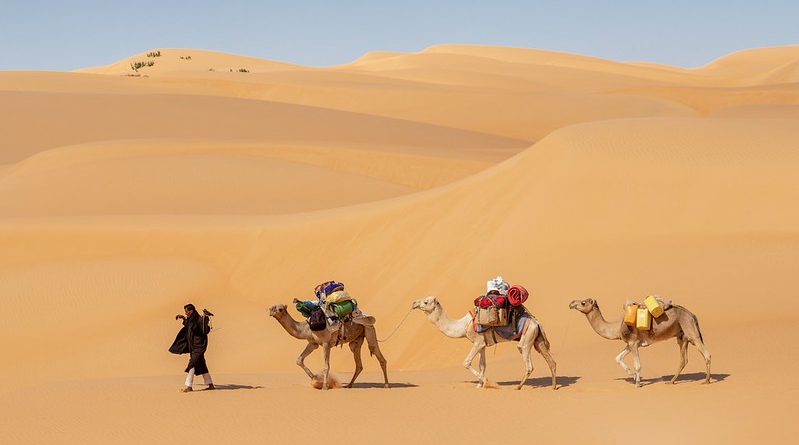
The country is characterized by vast landscapes, including the Sahara Desert, which covers much of its territory, as well as more fertile areas along the Senegal River, which marks the border with Senegal to the south.
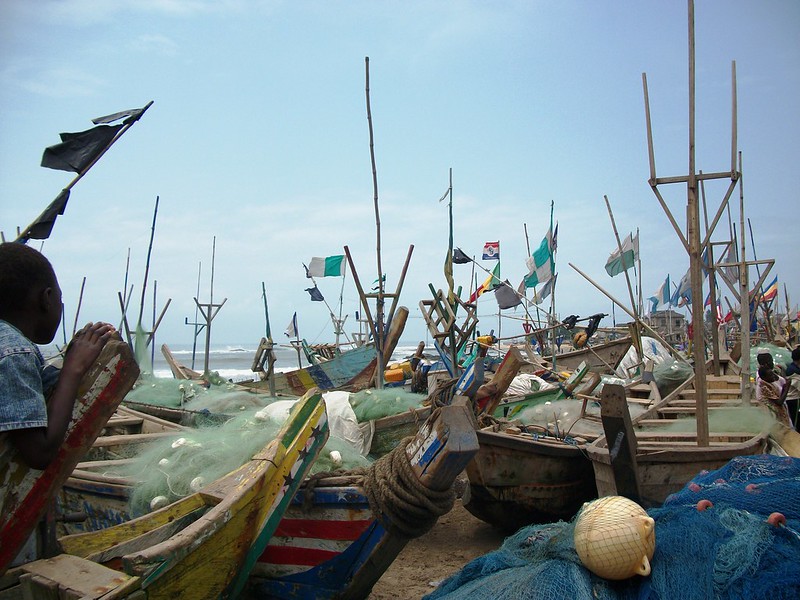
Economically, Mauritania relies heavily on mining, agriculture, and fishing. Iron ore is one of the primary exports, and the country has significant reserves of other minerals like gold and copper. While there have been efforts to diversify the economy, challenges such as poverty, unemployment, and limited infrastructure remain.
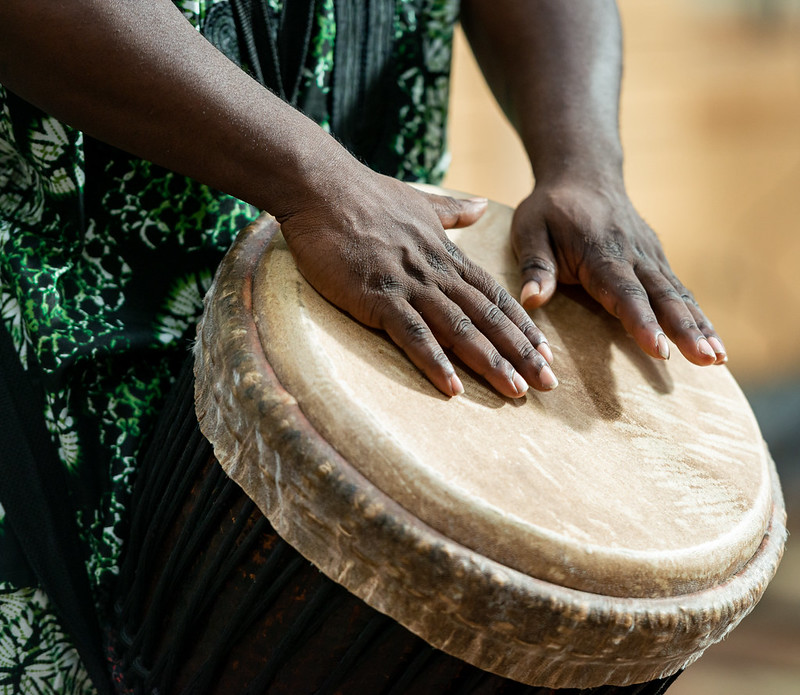
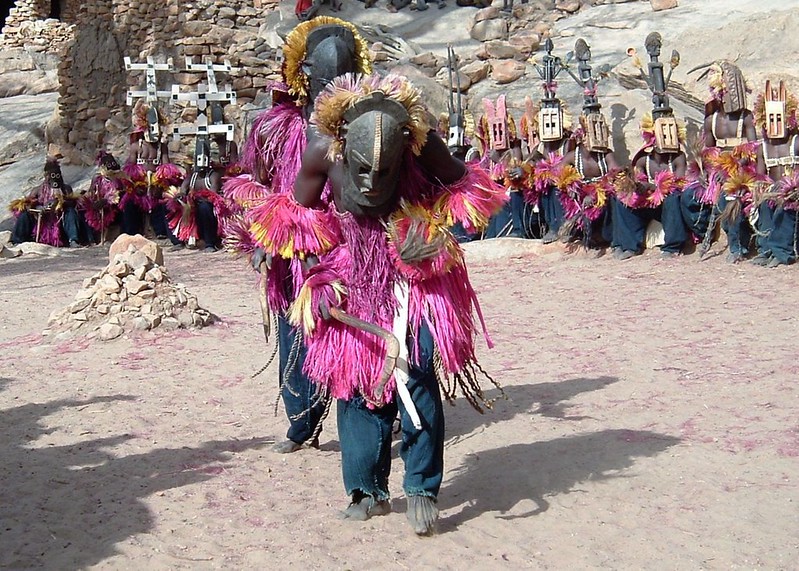
Mauritania is also known for its unique traditions, such as the annual festival of the Ghourfa, where local culture, music, and dance are celebrated.
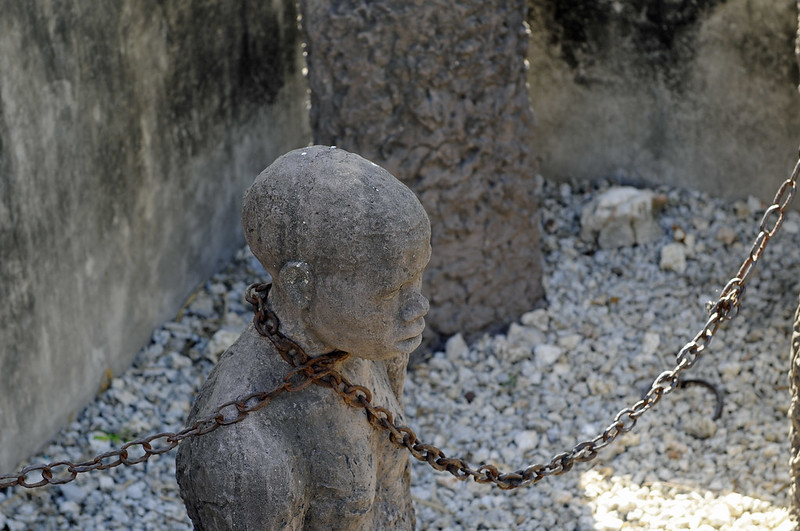
The country has made strides in recent years toward improving its political stability and human rights, although challenges persist. Despite being officially abolished only in 1981, forms of modern slavery persist, particularly affecting the Haratin (Black Moor) community.