Medieval Tallin
In medieval times the city of Tallin in Estonia was a key port in the web of trading cities bordering the Baltic. This group was known as the Hanseatic League.
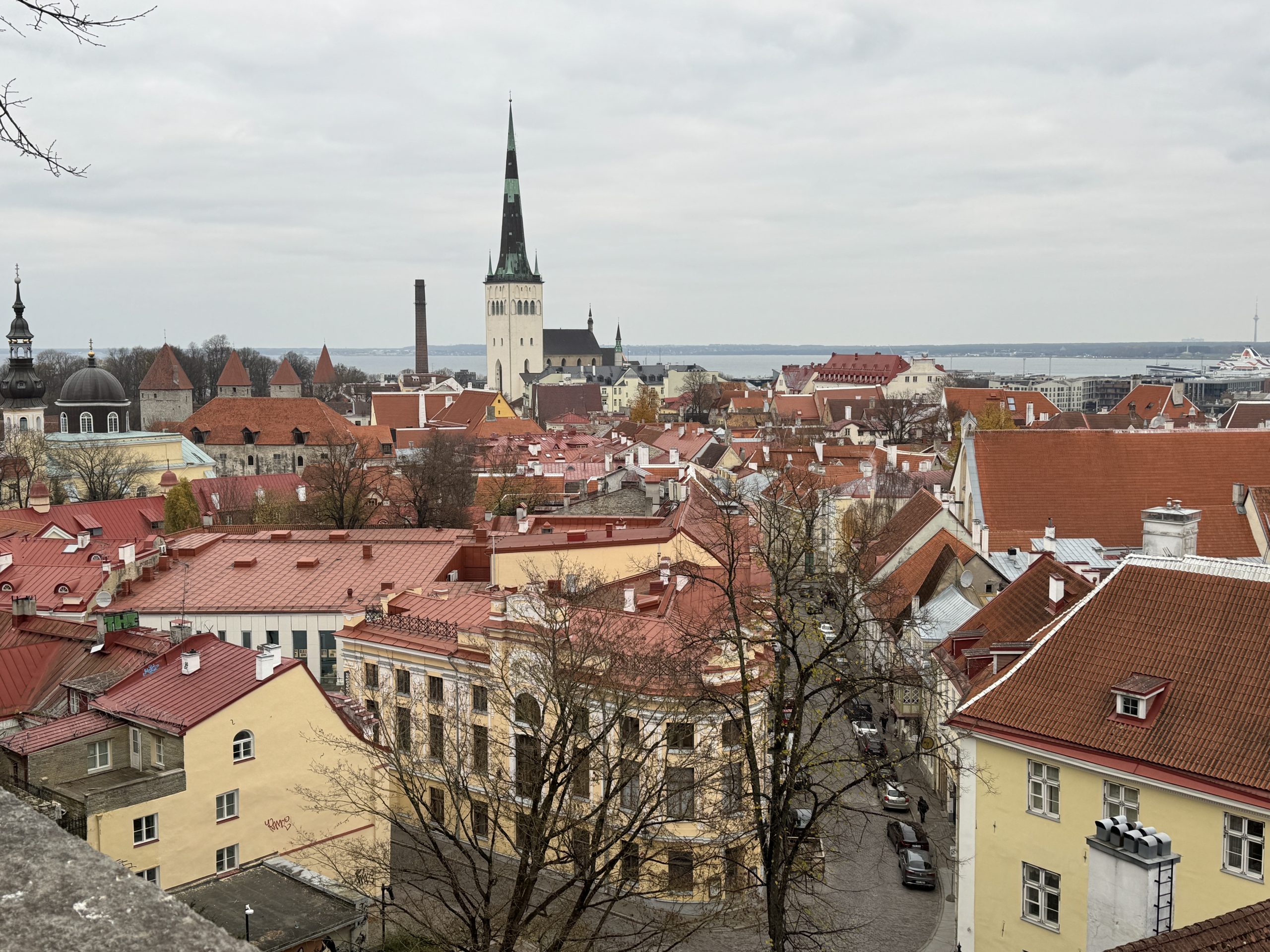
The medieval city is beautifully restored today – its city walls, churches , and merchant houses all reflecting a key era in the city’s history.
Its important seafaring heritage is celebrated at its its maritime museum which showcases a pre World War 2 submarine but also plays homage to its medieval past.
Then flat bottomed sail boats known as cogs crossed the Baltic and North Seas trading goods such as grain, lumber, amber and fish.
Trade was at the heart of medieval Tallin – the city was home to sprawling assortment of merchant houses each with the facilities to store and exchange the valuable goods that were sent back and forward across the Baltic.
The city was fortified and the gates and watchtowers that protected it are still here today.
The medieval city was home to various guilds and fighting orders as piracy on the Baltic was common given the value of the cargoes being shipped.
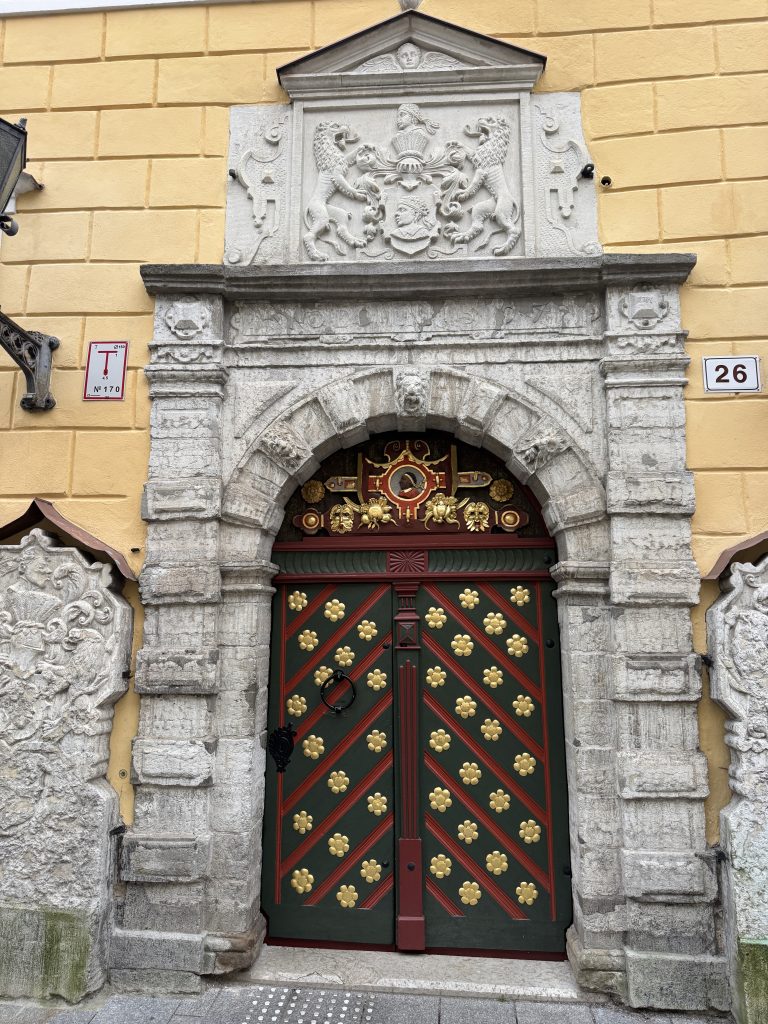
One of the more bizarre was the Brotherhood of the Blackheads whose Tallin headquarters remains today in the old town.
The blackheads weren’t black but single fighting men who defended the trade at all costs.
Tallin takes its medieval history seriously – a medieval themed restaurant in an original merchants house offers costumed servers and inside dinner by candlelight where you can even eat with your fingers.
Here are our Top 5 sites in medieval Tallin
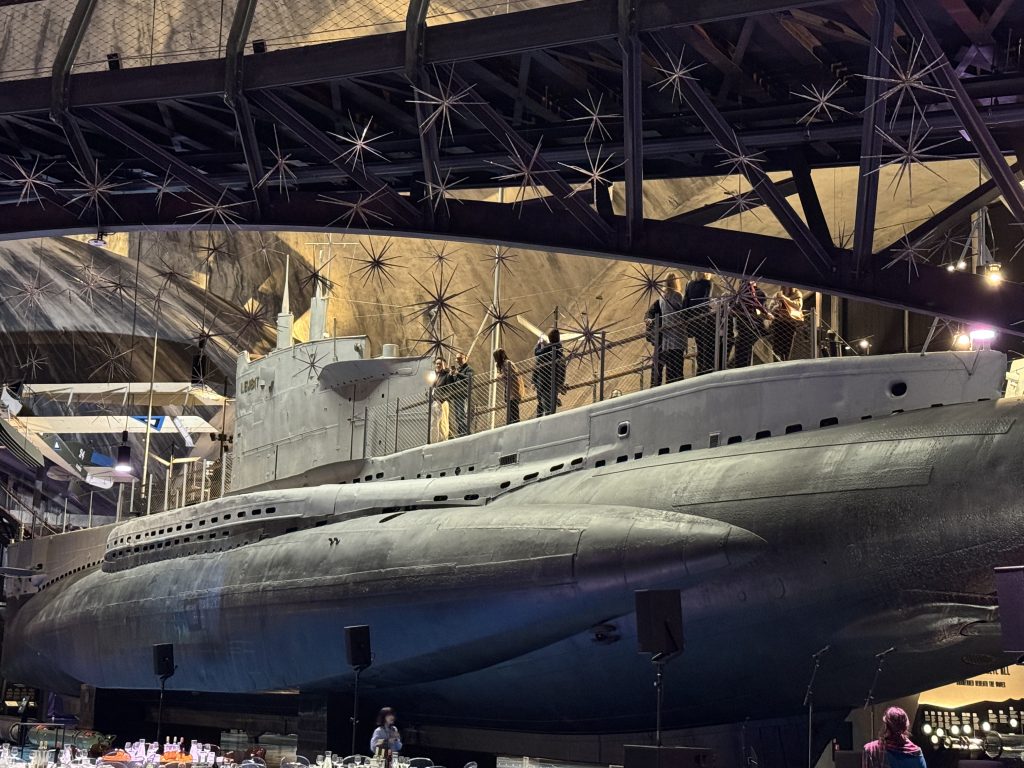
- The Estonian Maritime museum – This has two locations- the one on the harbour features a pre World War Two submarine at its centre and the museum inside the old town features the wreck of a 14th century medieval trading vessel known as a cog.
- Great Guild Hall: built in 1410 this public building the centre of the old town was the official centre of merchant trade also acting as a stock exchange
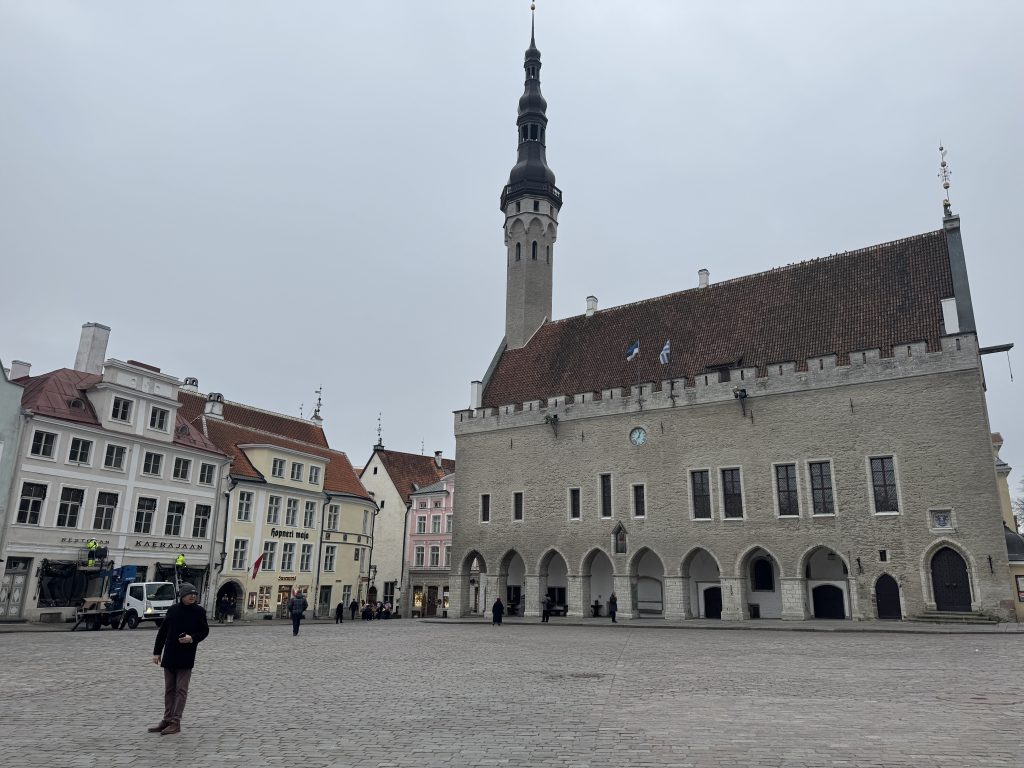
- Tallin Town Hall – this is the only surviving Gothic town hall in Northern Europe and the oldest town hall in both the Baltic and Scandinavia.
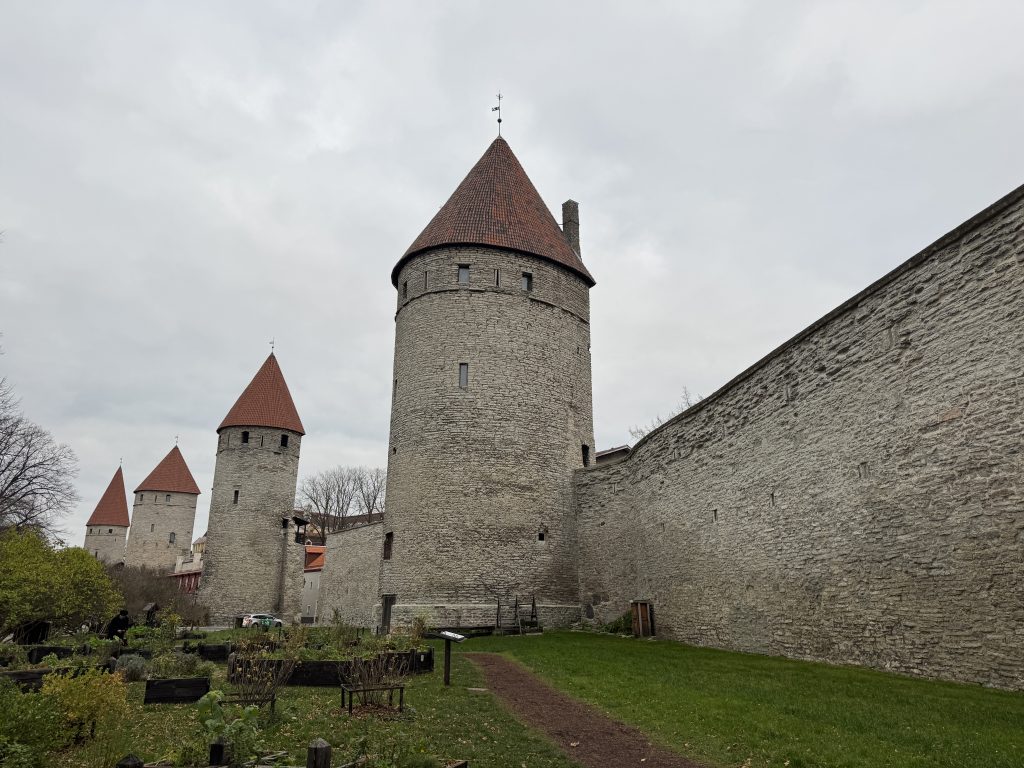
- City walls and defence towers – in the Middle Ages 21 towers were constructed linking the walls that surrounded the city. The Fortication Museum Is a 500 metre long complex linking four of these towers
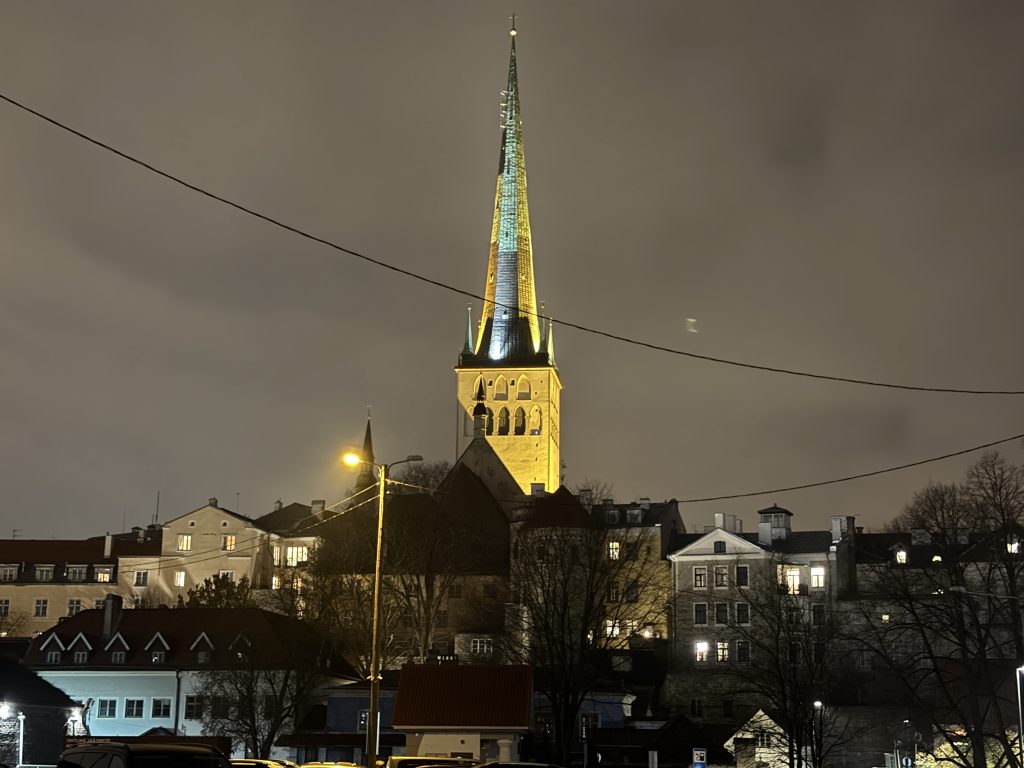
- Church of St Olaf – this 13th century church was once the tallest building in Europe.
Destination: Estonia