Articles

Archeological Iran

Iran is home to numerous archaeological sites that reflect its rich history and cultural heritage.

Iran sat at the heart of interaction between Mesopotamia, Central Asia, the Indus Valley, and the Greco-Roman world. The archeological sites here show early developments in agriculture, urban planning, administration (explained in the Persepolis tablets), and technology. Iran was the core of several world empires – Achaemenid, Sasanian, Safavid- whose administrative and architectural models had a lasting impact.

Exploring these sites offers a glimpse into the deep and complex history that has shaped not only Iran but the entire world.

Some of the most notable sites include:

1. Persepolis: Once the ceremonial capital of the Achaemenid Empire, this UNESCO World Heritage site features impressive ruins dating back to the 6th century BC, including the tomb of the great Persian king, Darius . Its magnificent ruins, including the Apadana Palace with its famous reliefs of tribute bearers, are the ultimate symbol of Achaemenid power and artistry.

2. Pasargadae: The first capital of the Achaemenid Empire, it includes the tomb of Cyrus the Great and various other ancient structures.The Pasargadae Gardens is one of the earliest known examples of the Persian Charbagh or fourfold garden

3. Shushtar: Known for its ancient hydraulic system, this site showcases a combination of natural and man-made elements, and is also recognized as a UNESCO World Heritage site.

4. Susa: An ancient city that was continuously inhabited for over 6,000 years, it has significant ruins from the Elamite, Achaemenid, and Islamic periods.One of the world’s oldest continuously inhabited cities, Susa was an Elamite capital later adopted as an administrative capital by the Achaemenids. The famous “Code of Hammurabi” was discovered here. One of its key features is The citadel, the Apadana of Darius I. The magnificent friezes of the Immortals and Archers from Susa now reside in the Louvre.

5. Chogha Zanbil: This ancient ziggurat, also a UNESCO site, was built during the Elamite period and showcases the architectural style of the time.

6. Bishapur: Founded by Shapur I of the Sassanian Empire, it features rock reliefs, ancient structures, and a unique blend of Persian and Roman architecture.

7. Isfahan: While primarily known for its Islamic architecture, the city has layers of history that include pre-Islamic sites, particularly in the surrounding areas.

8. Takht-e Soleyman: A site that combines Zoroastrian and Sassanian architecture, it includes a fire temple and is also a UNESCO World Heritage site.

9. Zagros Mountains: This region is rich in prehistoric sites, with evidence of early human settlements and ancient cultures.

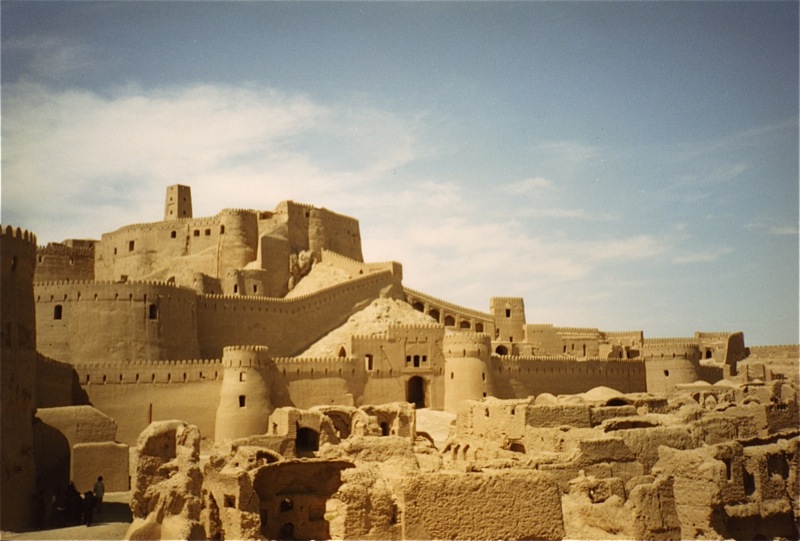
10. Arg-e Bam – Kerman Province: Before the 2003 earthquake, this was the world’s largest adobe structure and a UNESCO World Heritage Site. It is a massive citadel on the Silk Road, with origins dating back to the Achaemenid period. Extensive restoration is ongoing.

Destination: Iran