Black Cowboys
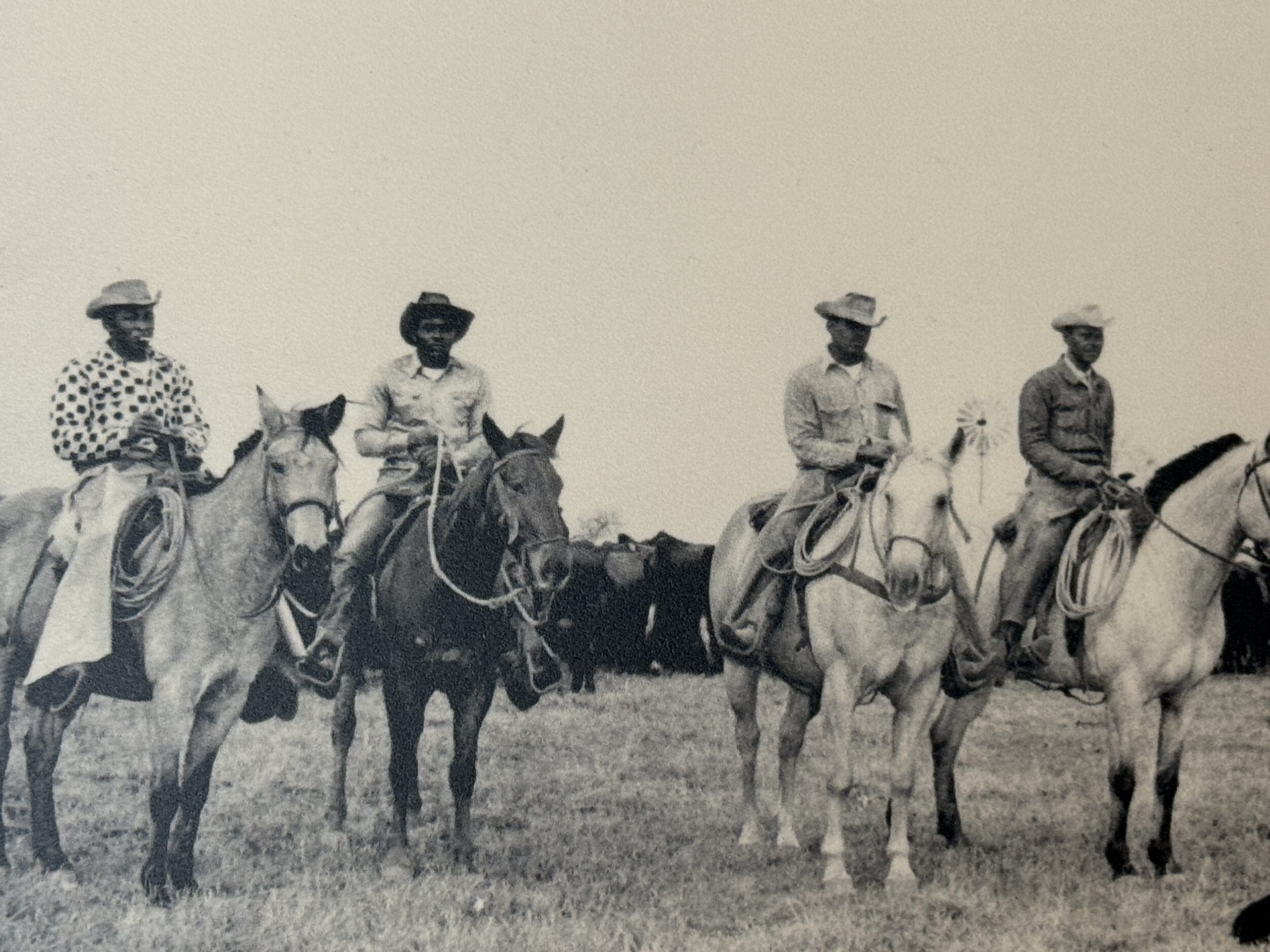
Black cowboys played a significant role in the history of the American West, often overlooked in mainstream narratives. They were skilled horsemen and cattle herders, contributing to ranching, rodeos, and the overall culture of the frontier.
Its estimated that about one in four cowboys were African American, many being formerly enslaved people who brought essential cattle-handling skills, yet their crucial contributions were largely erased from popular narratives, though figures like Bill Pickett and Nat Love became legendary, and modern efforts by museums and organizations work to restore their vital, often overlooked, history.
Many Black cowboys developed skills tending cattle as enslaved people both in Mexico and before the Civil War, then transitioned to cowboy work for better wages and freedom after emancipation.
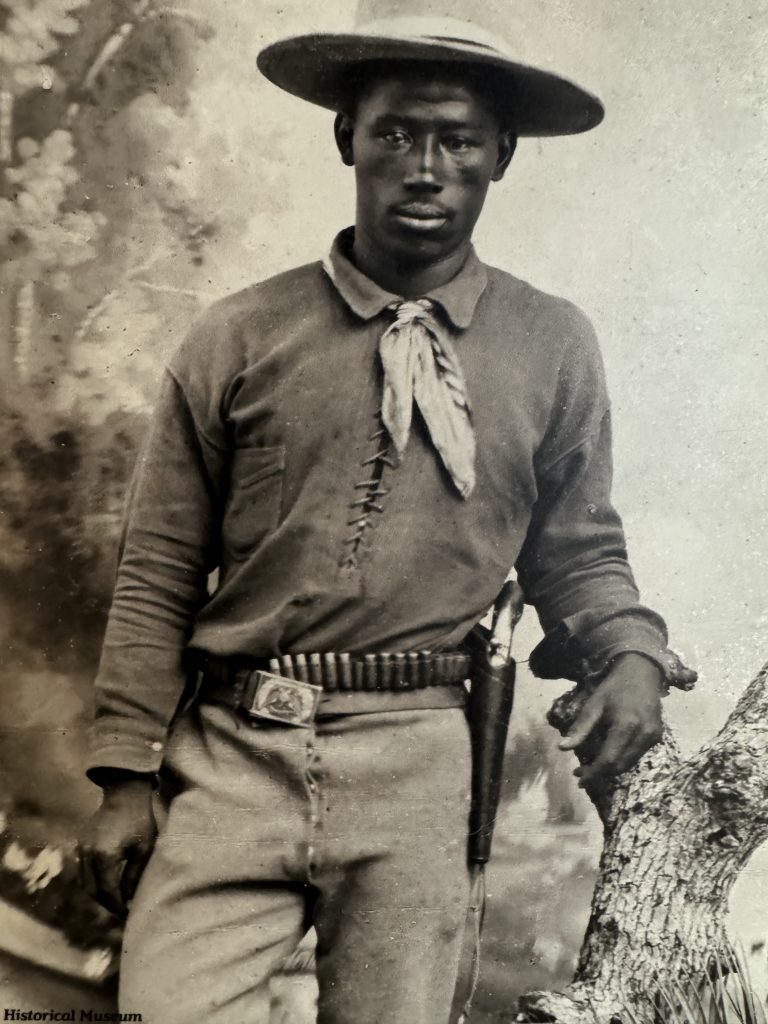
In Texas, Black cowboys may have made up as many as a quarter of the cowhands during the cattle drive era.From 1865 to 1890 about six million cattle and one million horses were moved north from Texas to the beef markets in Kansas and beyond . This was the largest cattle drive in history and black cowboys were an integral part of this great migration of animals.
While facing discrimination in towns, hotels and restaurants, cowboys often shared camaraderie and reliance on the trail, blurring some racial lines in the dangerous work. They excelled as wranglers, ropers, bronco busters, cooks, and performers, with black cowboys forming their own rodeo circuits due to exclusion from white shows.
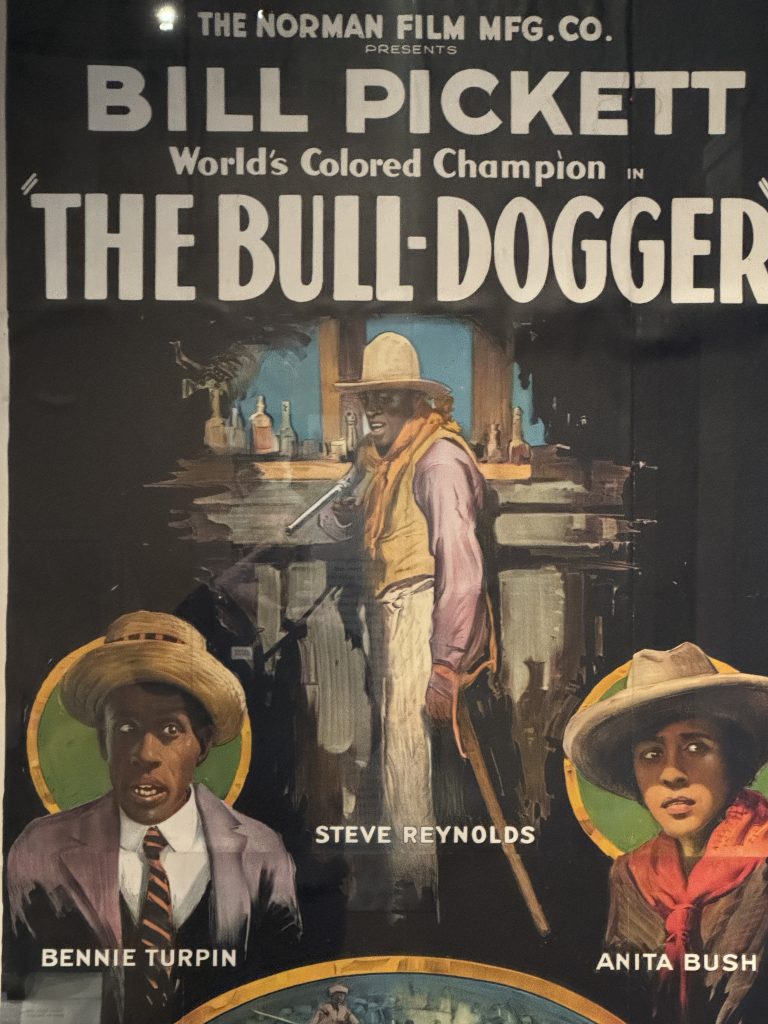
Notable figures like Nat Love, known as Deadwood Dick , and Bill Pickett gained fame for their skills and bravery, helping to shape the legacy of cowboys in American culture.Bill Pickett (1870-1932) was an inventor of “bulldogging” (steer wrestling) and Nat Love ,became famous for roping and shooting skills.
Destinations: United States, Mexico