
Porto: Portugal’s Second City
Porto, the second-largest city in Portugal, is known for its rich history, stunning architecture, and vibrant culture. It’s famous for its wine, particularly Port wine, and the nearby picturesque riverside areas along the Douro River.
Porto is very walkable, but be prepared for steep hills. The city also has an excellent and affordable metro system, trams, and buses.
Summers are warm and dry, while winters can be cool and rainy. The best times to visit are from late spring (May-June) to early autumn (September-October).
Here’s a guide to to the best sights and experiences to help you understand and explore Porto.
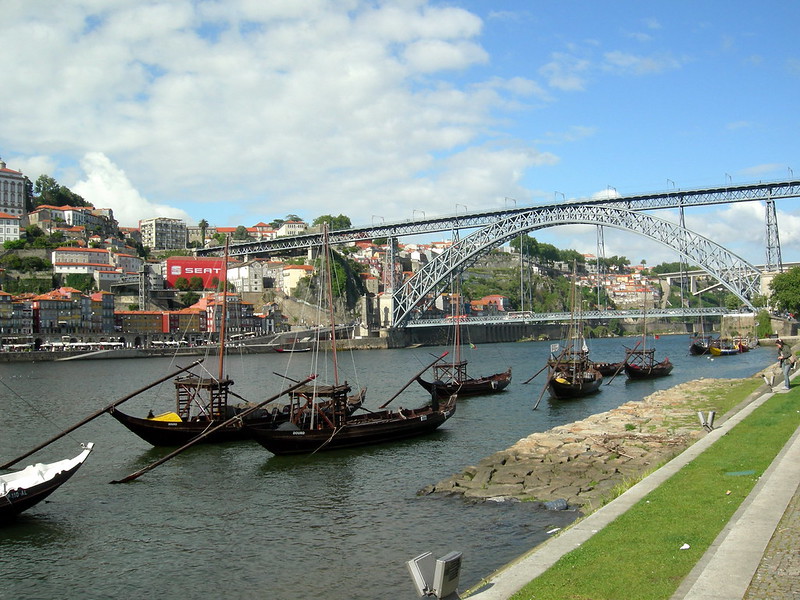
1. Luís I Bridge (Ponte Dom Luís I): The iconic double-decker iron bridge, was designed by a student of Gustave Eiffel. Walk across the upper level for breathtaking views of the city and the river. The lower level is for cars and the metro, and leads directly to the Vila Nova de Gaia port wine cellars.
2. Ribeira District: A UNESCO World Heritage site, this riverside neighborhood is a maze of narrow, medieval cobbled streets, lined with tall, colorful houses. It’s vibrant, bustling, and the perfect place to feel the city’s pulse.
3. Vila Nova de Gaia: Just across the Douro River (via the Luís I Bridge), this is where you’ll find the famous port wine cellars (caves). Take a tour and tasting at houses like Taylor’s, Sandeman, or Graham’s to learn about and sample this fortified wine.
4. Livraria Lello: Often cited as one of the most beautiful bookstores in the world. Its stunning neo-Gothic interior, with a famous red staircase, is said to have inspired J.K. Rowling. Note: You usually need to buy a ticket (which can be discounted against a book purchase) in advance due to its popularity.
5. Clérigos Church and Tower (Torre dos Clérigos): Climb the 240 steps to the top of the baroque tower for a 360-degree panoramic view of Porto. It’s the city’s most recognizable landmark.
6. São Bento Railway Station: Don’t just pass through it—visit it. The main hall is covered with approximately 20,000 stunning azulejo (blue and white tin-glazed ceramic tiles) depicting scenes from Portuguese history.
7. Palácio da Bolsa (Stock Exchange Palace): A 19th-century neoclassical building, famous for its breathtaking Arab Room (Salão Árabe), a hall lavishly decorated in Moorish Revival style.
8. Douro River Cruise: Take a boat trip along the Douro. Options range from short trips under Porto’s six bridges to full-day excursions that journey into the Douro Valley wine region.
Food & Drink
Francesinha: Porto’s ultimate comfort food. A hearty sandwich filled with layers of cured ham, fresh sausages, and steak, covered with melted cheese and a hot, thick tomato-and-beer sauce, often served with fries. It’s a must-try experience.
Tripas à Moda do Porto: A traditional tripe stew, which is so iconic that the city’s inhabitants are nicknamed “Tripeiros.”
Bacalhau (Salt Cod): Prepared in countless ways. A popular dish is Bacalhau à Gomes de Sá, a casserole with cod, potatoes, onions, and olives.
Bifana: A simple but delicious sandwich of marinated pork loin on a bread roll.
Pastel de Nata: The famous custard tart. While from Lisbon, they are perfection everywhere in Portugal.
Porto Tónico (Port Tonic): A refreshing and popular cocktail made with white port, tonic water, lemon, and mint.
Entertainment
The “F” Word: Fado is the soulful, traditional music of Portugal. While Lisbon’s Fado is more well-known, Porto has its own style (Fado do Porto). You can enjoy a performance in a restaurant in the Ribeira district.
Day Trips:
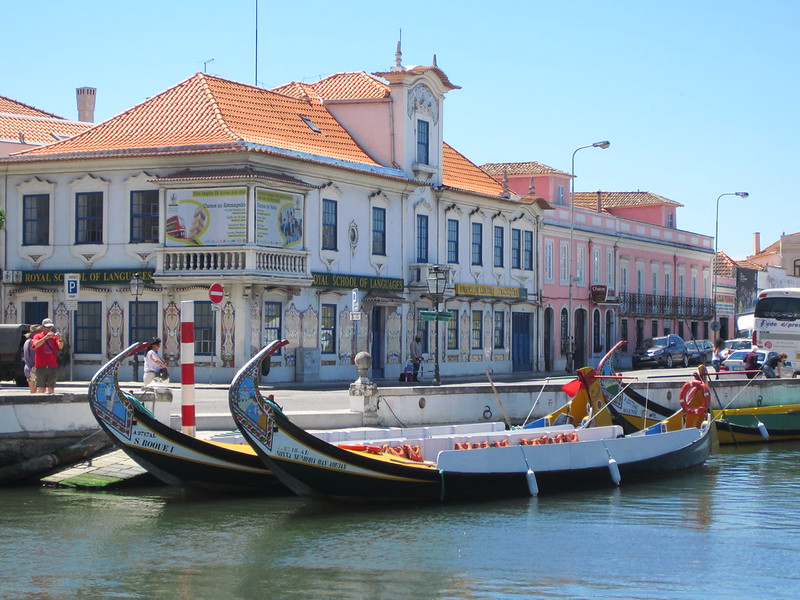
Porto is a perfect base for exploring the Douro Valley (one of the world’s oldest wine regions), the coastal city of Aveiro (the “Venice of Portugal”), and the pilgrimage site of Braga.
Destination: Portugal