The Rugged Wilderness of Australia’s Kimberley
The Kimberley is one of the world’s last great wilderness areas—a vast, rugged, and remote region in the northern part of Western Australia that is three times the size of England, but with a population of only around 40,000 people.
The Kimberley region, is known for its stunning landscapes. The region features dramatic cliffs, gorges, waterfalls, and unique rock formations. It’s rich in Indigenous culture, with many Aboriginal communities and significant historical sites.
The Kimberley is also famous for its natural attractions, such as the Bungle Bungles, Horizontal Falls, and the stunning Broome beaches. It’s a popular destination for adventure tourism, including activities like hiking, fishing, and exploring the unique wildlife and ecosystems.
Broome is the largest town and tourist hub, famous for its pearling history, Cable Beach, and stunning sunsets.
Derby is the western gateway, known for its massive tidal range and proximity to the Horizontal Falls.
Kununurra is the eastern hub, serving as the base for the Bungle Bungles, Lake Argyle, and Ord River irrigation area.
Fitzroy Crossing is a small service town on the Fitzroy River, providing access to Geikie Gorge.
Key Attractions & Landmarks:
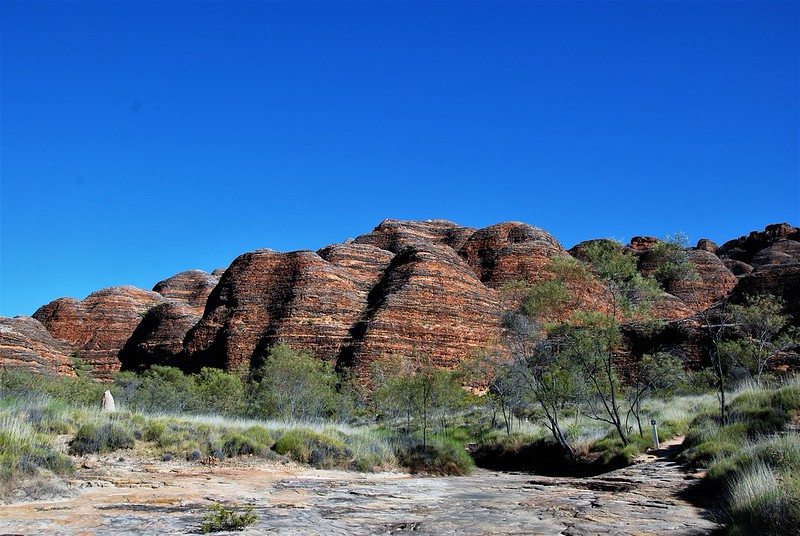
1. The Bungle Bungle Range in the Purnululu National Park is a UNESCO World Heritage Site famous for its unique beehive-shaped sandstone domes, striped with orange and grey bands.Access is primarily via light aircraft (scenic flights are spectacular) or a rough 4WD track. Highlights include Cathedral Gorge, Echidna Chasm, and Piccaninny Gorge.
2. Horizontal Falls: Described by David Attenborough as “one of the greatest natural wonders of the world.”, this is a powerful tidal phenomenon where water rushes through two narrow coastal gorges, creating a “horizontal waterfall” effect.It is best experienced on a high-speed boat ride or scenic flight from Broome or Derby.
3. Cable Beach, Broome: A 22-kilometre stretch of pristine white sand bordered by turquoise water.It is famous for its spectacular sunsets,
4. The Dampier Peninsula (North of Broome): A coastal wilderness offering a more intimate Kimberley experience.it is accessible via the unsealed (but manageable) Broome Cape Leveque Road.it features stunning red cliffs, white sand beaches, and Aboriginal communities that offer cultural tours and accommodation.
5. Gibb River Road: A 660-kilometre 4WD track that is the ultimate Kimberley adventure.It cuts through the heart of the region, providing access to some of its most beautiful and remote gorges, cattle stations, and waterfalls.Key stops include Windjana Gorge, Tunnel Creek, Bell Gorge, Manning Gorge, and El Questro Wilderness Park.
6. El Questro Wilderness Park: A vast million-acre station offering a range of experiences, from luxury stays to camping. Highlights include Emma Gorge, Zebedee Springs (thermal pools), and Chamberlain Gorge.
7. Lake Argyle: Australia’s second-largest artificial lake, created by the Ord River Dam.A stunning inland sea offering cruises, fishing, and wildlife spotting. The “Infinity Pool” at the Lake Argyle Resort is legendary for its views.
8. Mitchell Falls: A spectacular multi-tiered waterfall cascading over terraced sandstone layers. Located in the remote Mitchell Plateau, access is challenging (4WD and hiking or helicopter required) but immensely rewarding.
Climate & When to Visit
The Kimberley has a tropical monsoon climate with two distinct seasons. The Dry Season (April/May – October) is the best time to visit as days are warm, sunny, with low humidity.. Nights are cool and pleasant.All roads and attractions are generally accessible.
During The Wet Season, the landscape is at its most lush and dramatic, with powerful waterfalls, but travel is difficult and restricted.
Aboriginal Culture
The Kimberley is one of the richest Aboriginal cultural areas in Australia. It is the traditional home of many Aboriginal language groups, including the Djugun, Yawuru, Bardi, Jukun, Wunambal, and Ngarinyin peoples.
The region is famous for its Wandjina and Gwion Gwion (Bradshaw) rock art, some of the most significant and distinctive in the world.
Many Aboriginal communities offer cultural tours, providing a unique opportunity to learn about ancient traditions, bush tucker, and Dreamtime stories directly.
Destination: Australia