
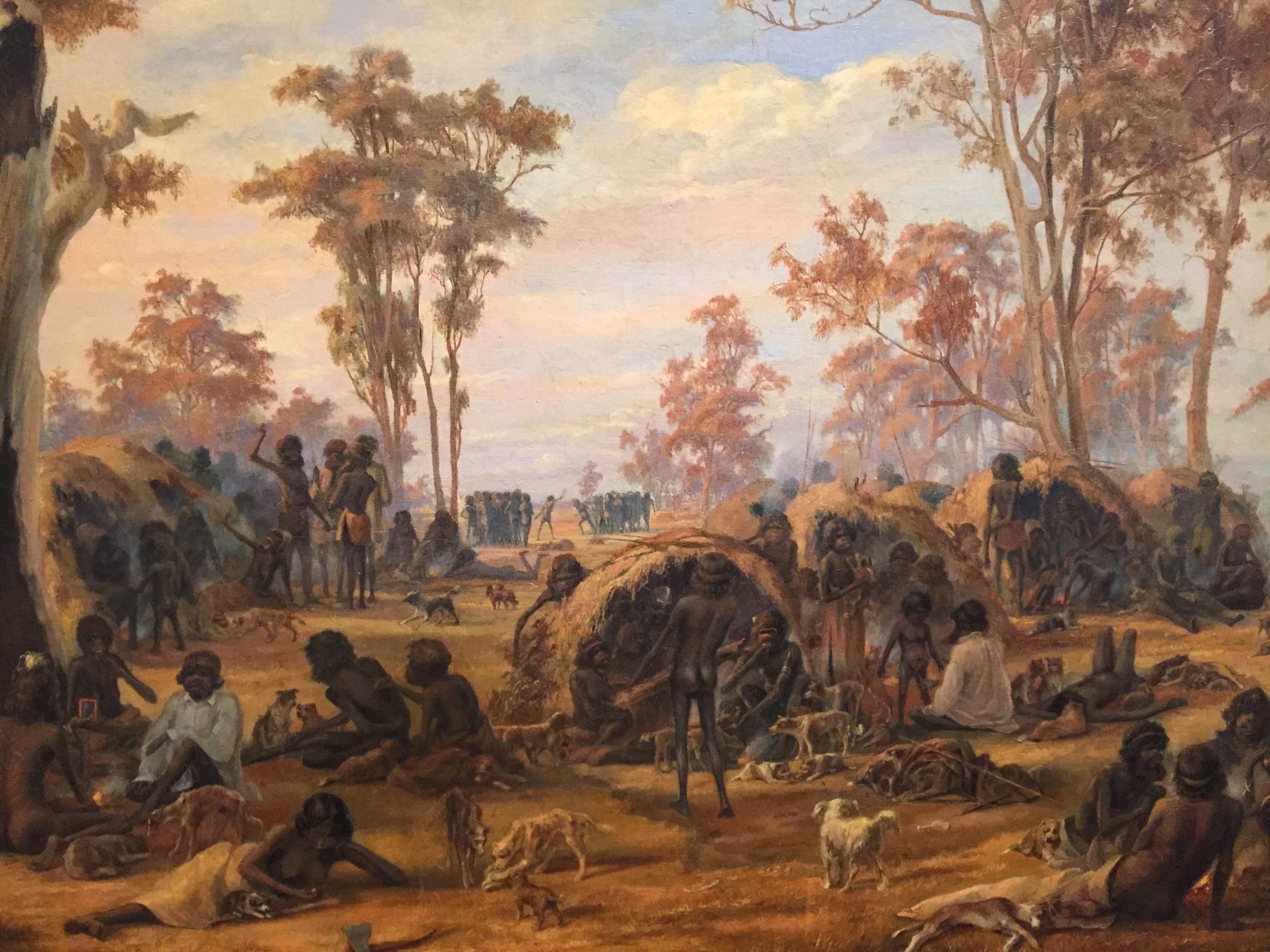
Aboriginal Massacres during the Colonial Frontier Wars
More than 10,000 Aboriginal and Torres Strait Islander people were killed in hundreds of documented frontier massacres across Australia between 1794 and 1928.
This period of intense conflict—known as the Colonial Frontier Wars—involved widespread, often organized attempts by European colonists to suppress Indigenous resistance and seize land.
The Colonial Frontier Massacres Digital Map Project, led by Professor Lyndall Ryan at the University of Newcastle, defines a massacre as the deliberate killing of six or more defenseless people in a single operation.
Researchers verified 438 massacres during the frontier era. Of these, 420 were attacks on Indigenous people.
- Roughly 50% of the massacres were carried out by official state forces, including British soldiers, colonial police, and state-sponsored Native Police detachments. The remaining 50% were perpetrated by civilian settlers, squatters, and vigilantes.
- The most common justification used by colonists for a massacre was a “reprisal” for the death of a settler or livestock. While 152 colonists were killed by Indigenous people in 12 recorded massacres, the retaliatory strikes by settlers routinely resulted in the indiscriminate slaughter of entire Indigenous families.
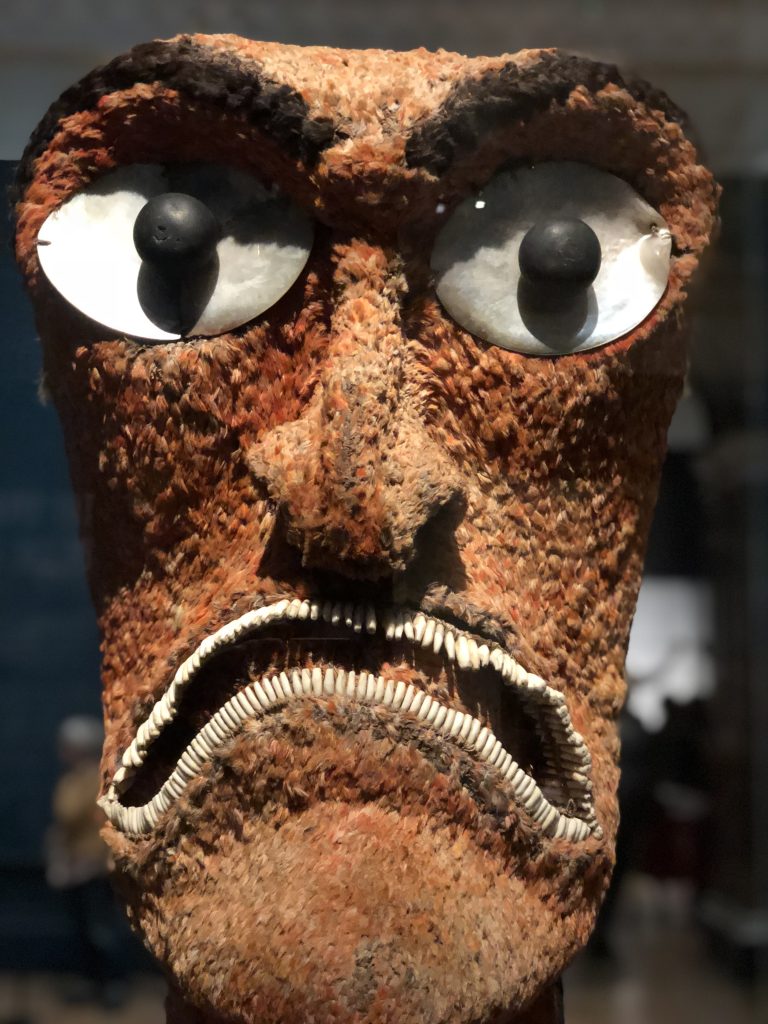
Notable Frontier Massacres
| Massacre Name | Date | Location | Estimated Casualties & Context |
|---|---|---|---|
| Appin Massacre | April 1816 | New South Wales | At least 14 Dharawal people were shot or driven over a cliff by British soldiers under orders from Governor Lachlan Macquarie. |
| Gippsland Massacres | 1840s–1850s | Victoria | A series of mass killings by white squatters that resulted in the deaths of an estimated 1,000+ GunaiKurnai people. |
| Myall Creek Massacre | June 1838 | New South Wales | 30 Wirrayaraay people were murdered. It is historically pivotal as the only time Europeans were successfully prosecuted and hanged for massacring Indigenous people. |
| Forrest River Massacre | Oombalie, WA | 1926 | At least 11 Aboriginal people were killed and their bodies burned in bush ovens by an armed police party. |
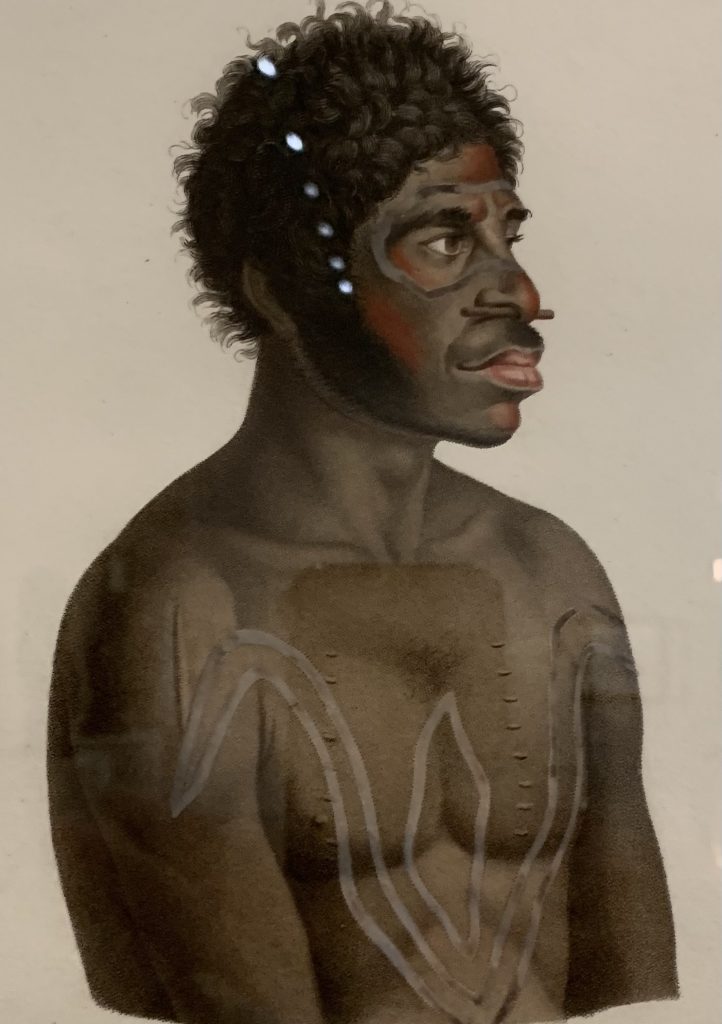
The massacres were executed via multiple methods. While mass shootings on horseback were the most common, settlers also resorted to poisoning waterholes and distributing flour laced with arsenic or strychnine. In places like Tasmania, entire clans were driven over cliffs.
The silence and denial surrounding these events historically came to be known as the “Great Australian Silence.” However, recent truth-telling initiatives, such as the Yoorrook Justice Commission in Victoria, have formally investigated these historical atrocities, concluding that the state-sanctioned violence and subsequent forced removal of children amounted to systemic genocide against First Nations people.
Destination: Australia