Great Native American Warriors
Native American history is rich with stories of great warriors, each representing the unique cultures and tribes of the continent. These warriors not only fought in battles but also played pivotal roles in their communities, embodying the cultural values and traditions of their people. Here are four of the great Native American warrior leaders

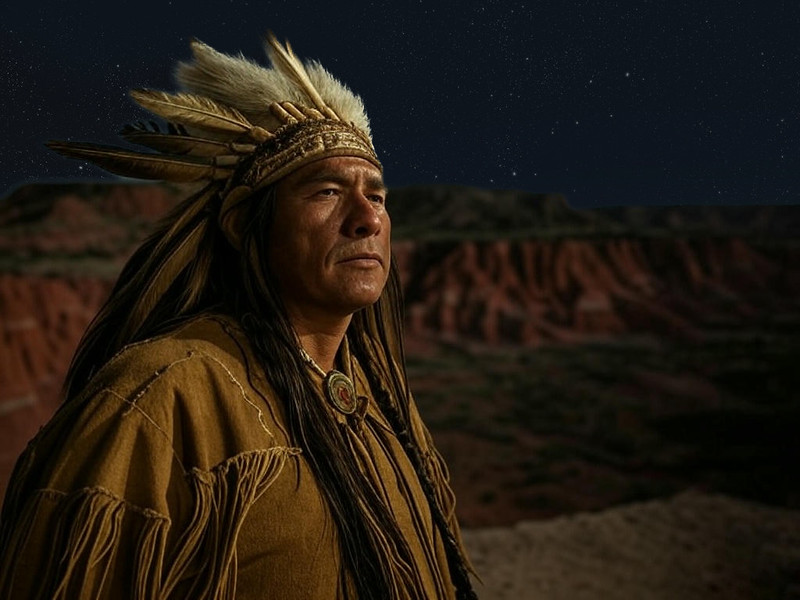
1. Crazy Horse (Lakota Sioux):
Crazy Horse, born in the early 1840s, was a prominent leader of the Lakota Sioux. He is best known for his role in the Indian Wars against the United States, particularly for his leadership during the Battle of Little Bighorn in 1876, where he fought alongside other tribes, including the Cheyenne, against General George Custer’s forces.
Crazy Horse was revered for his bravery, tactical skill, and deep connection to his people and their way of life. Unlike many leaders of his time, he was known for his reluctance to seek fame or recognition; he preferred to lead through action rather than words. His fighting style was characterized by mobility and surprise, making him a formidable opponent.
Beyond his military prowess, Crazy Horse was also a spiritual leader. He believed strongly in the importance of preserving the Lakota way of life and protecting their land from encroachment by settlers and the U.S. government. His legacy endures as a symbol of resistance and resilience among Native Americans.
After his death in 1877, Crazy Horse became a legendary figure, inspiring countless stories, songs, and memorials, including the Crazy Horse Memorial in South Dakota, which aims to honor his legacy and the culture of Native Americans.
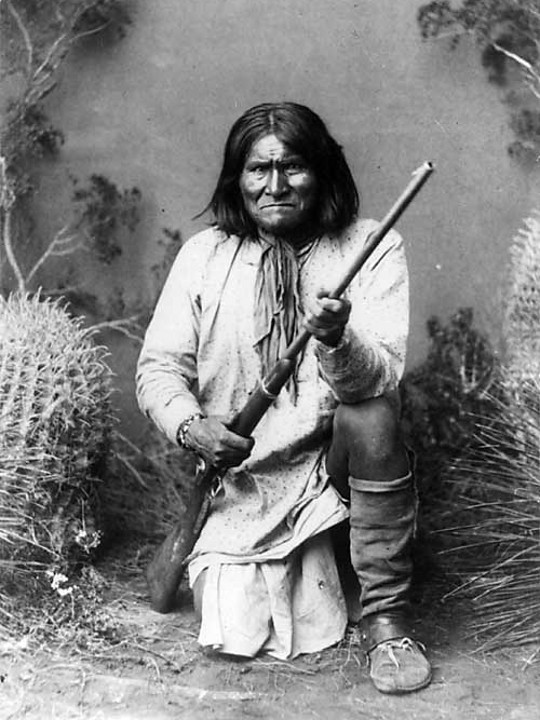
2. Geronimo (Apache):
Geronimo, born in June 1829, was a prominent leader of the Apache tribe, specifically the Bedonkohe Apache. He is best known for his fierce resistance against both Mexican and American expansion into Apache territory during the late 19th century. His name has become synonymous with bravery and defiance.
Geronimo’s early life was marked by tragedy; after a raid by Mexican soldiers that resulted in the death of his mother, wife, and children, he vowed to fight against those who threatened his people. He became a formidable warrior, leading numerous raids against both Mexican and American forces, showcasing his exceptional skills in guerrilla warfare.
Throughout the 1870s and 1880s, Geronimo led his people in a series of uprisings, eluding capture multiple times, which made him a legendary figure in American history. His tactics included ambushes and rapid movement through the rugged terrain of the Southwest, making him difficult to track.
In 1886, after years of pursuit, Geronimo finally surrendered to General Nelson Miles. His surrender marked the end of the Apache Wars, but it led to his imprisonment and relocation to Florida and later to Alabama, where he faced significant challenges adapting to life away from his homeland.
Geronimo eventually became a celebrity, making appearances at fairs and events, including the 1904 St. Louis World’s Fair. He remained a symbol of Native American resistance and pride until his death in 1909. Today, Geronimo is remembered not only for his fierce resistance but also for his embodiment of the struggle for Native American rights and sovereignty.
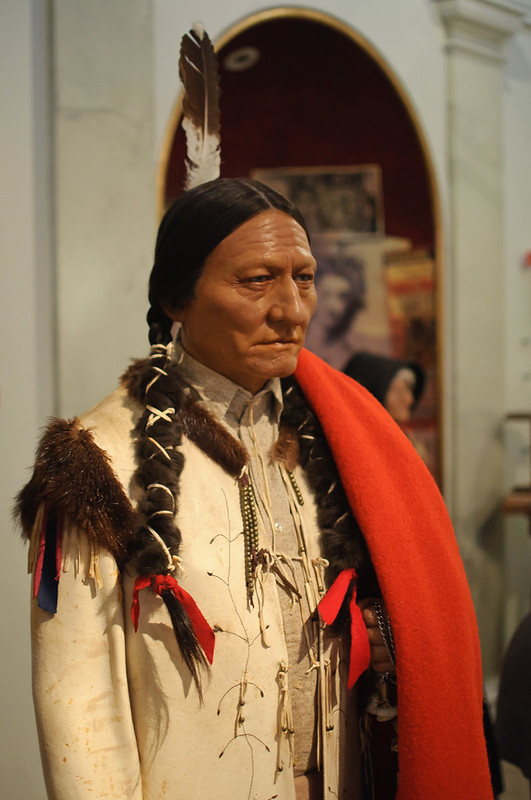
3. Sitting Bull (Hunkpapa Lakota):
Sitting Bull, born around 1831, was a prominent Hunkpapa Lakota Sioux leader and medicine man, best known for his resistance against U.S. government policies and his role in the Indian Wars. He became a symbol of Native American strength and resilience, particularly during the late 19th century.
Sitting Bull was a key figure in the lead-up to the Battle of Little Bighorn in 1876, where he played a crucial role in uniting various tribes to resist the encroachment of settlers on their lands. His vision of a united Native American front was instrumental in the success of the Lakota and their allies during this pivotal battle, leading to the defeat of General George Custer and his troops.
Beyond his military leadership, Sitting Bull was also a revered spiritual leader. He conducted ceremonies and was known for his prophetic visions. After the defeat of Custer, Sitting Bull continued to fight for the rights of his people, but he eventually surrendered in 1881 and was forced to live on reservations.
In 1890, Sitting Bull was killed during an attempt by U.S. government agents to arrest him, as tensions continued to rise among Native Americans, culminating in the tragic Wounded Knee Massacre shortly thereafter. His legacy endures as a symbol of resistance and the struggle for Native American rights, and he is remembered for his unwavering commitment to his people and their way of life.

4. Black Hawk (SauK):
A leader of the Sauk tribe, Black Hawk is remembered for his resistance during the Black Hawk War in 1832, advocating for Native American rights and land.
Destination: United States