Native Indian Tribes of the Great Plains
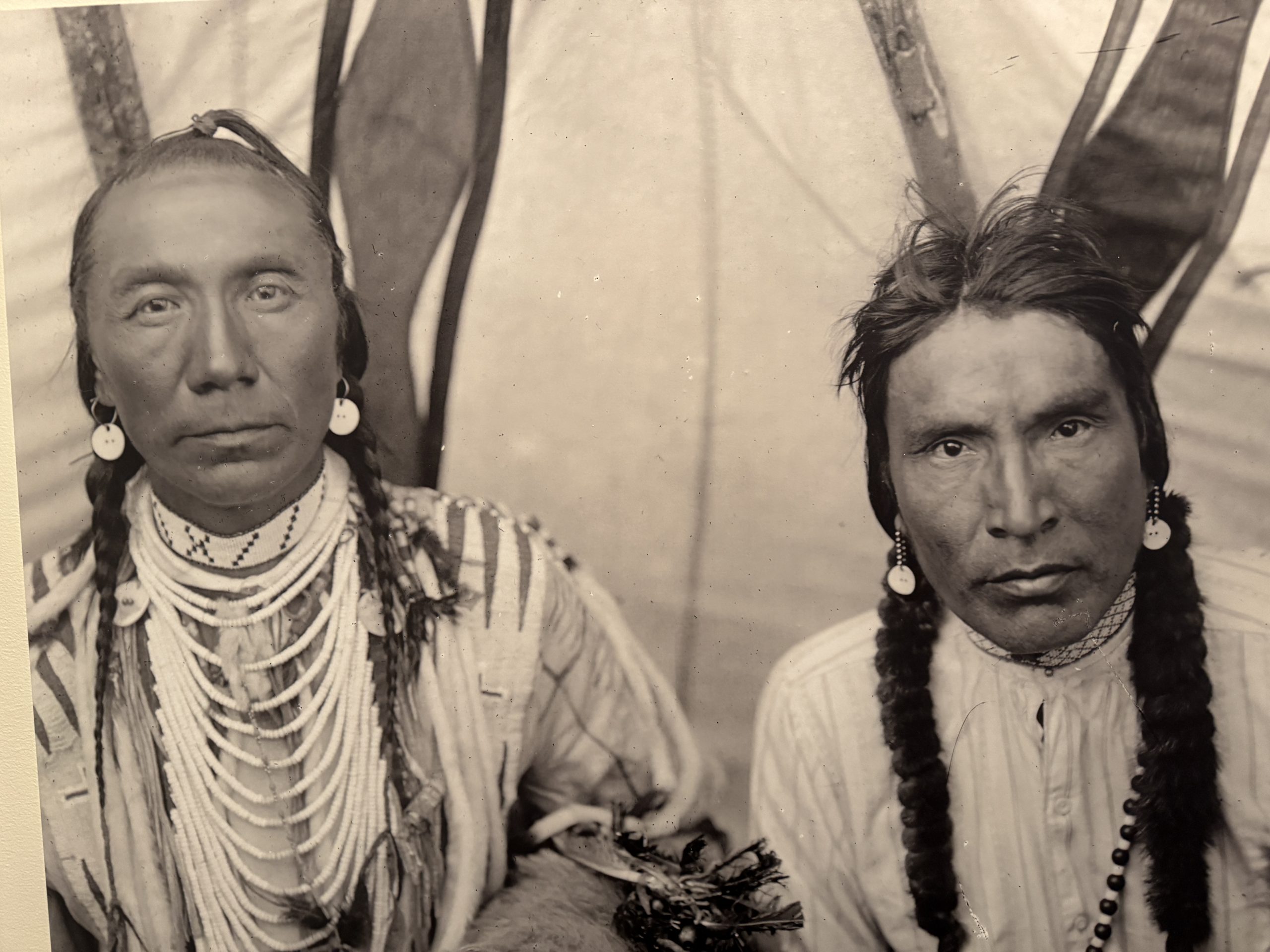
There are numerous Native American tribes from the Great Plains, divided linguistically famous for their nomadic bison-hunting culture, strong kinship, and resistance in the 19th century to predominantly European expansion into ancestral lands sanctioned by the US government. Among those to have lived on the Great Plains are the Blackfoot, Crow, Sioux, Cheyenne, Arapaho,and Comanche,
Three of the main tribes are the Crow, Blackfoot and Sioux
*The Crow
The Crow Indians, who call themselves Apsáalooke (“Children of the Large Beaked Bird” are a Plains tribe historically living in the Yellowstone River valley, known for their nomadic buffalo hunting, strong clan system, and alliances with U.S. settlers against rivals like the Lakota. Now concentrated on the large Crow Indian Reservation in south-central Montana, they maintain their culture through the Crow language, traditional ceremonies, and the annual Crow Fair, while also utilizing natural resources like coal for economic development.
The Crow migrated west becoming expert horsemen and hunters, famed for warfare and wealth.
The Crow have a strong clan structure, and use of the Crow language (Siouan family), and emphasis on traditional values and ceremonies like the Medicine Lodge Ceremony. The Crow Nation have a constitutional government with Executive and Legislative branches.
Income is based on natural resources (coal, oil, gas) and tourism, especially the Crow Fair and Rodeo.
*The Blackfoot
The Blackfeet (or Blackfoot) people, known as Niitsitapi(“Real People”), are a confederacy of three related tribes (Siksika, Kainai/Blood, Piikani/Piegan) who historically roamed the Great Plains from Canada to Montana. They were famed for their bison hunting and warrior culture, with the main US tribe residing on the Blackfeet Reservation in Montana.
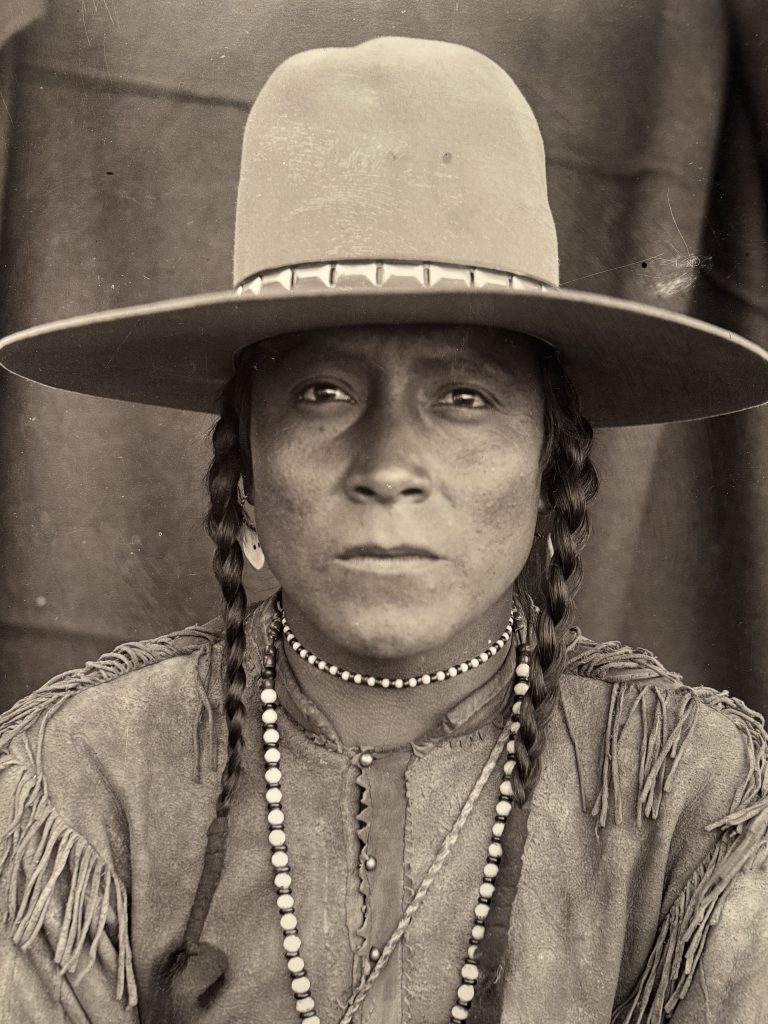
They have preserved their Algonquian language and traditions despite colonization. They are known for their deep connection to the land, use of prairie fire for hunting (possibly giving them their name), and strong cultural practices like powwows, Sundance, and Indian relay racing.
The origin of thei name is likely to have come from their moccasins, blackened by walking through ashes from prairie fires they set to manage grasslands and attract bison.
Their ancestral lands span present-day Alberta, Canada, and Montana, US, where the Blackfeet Nation (South Piikani) reservation is located, bordered by Glacier National Park.
Master bison hunters and horsemen, they controlling vast territories. The Blackfeet experienced displacement and hardships from colonization, including forced assimilation through boarding school
They have experienced a strong cultural resurgence, maintaining traditions like powwows, Sundance, and traditional games.
*The Sioux
The Sioux are a confederation of tribes from , divided linguistically into the Dakota, Nakota, and Lakota peoples, famous for their nomadic bison-hunting culture, strong kinship, and resistance to U.S. expansion.
led by iconic figures Sitting Bull and Crazy Horse
They maintain vibrant cultures on reservations today across North Dakota, South Dakota, Montana, Minnesota, and Nebraska.
The Souix adopted a nomadic, bison-hunting lifestyle after acquiring horses,
Their beliefs centred on a deep connection to nature, honoring animals (especially the buffalo), and a belief in spirits, with major ceremonies like the Sun Dance.
Strong kinship ties formed the basis of their political and social organization, emphasizing being a good relative.The Sioux played a significant role in U.S. history, resisting encroachment, famously during Red Cloud’s War, and enduring conflicts like the Wounded Knee Massacre.
The Sioux remain one of North America’s largest Indigenous groups, with nearly 100,000 living in the U.S. and 10,000 in Canada, maintaining distinct tribal identities and communities on reservations.
Destinations: American Rockies