The Art and Influence of Persia
Carpets are perhaps the best-known artworks from historical Islamic lands, with the most celebrated examples originating in Iran.
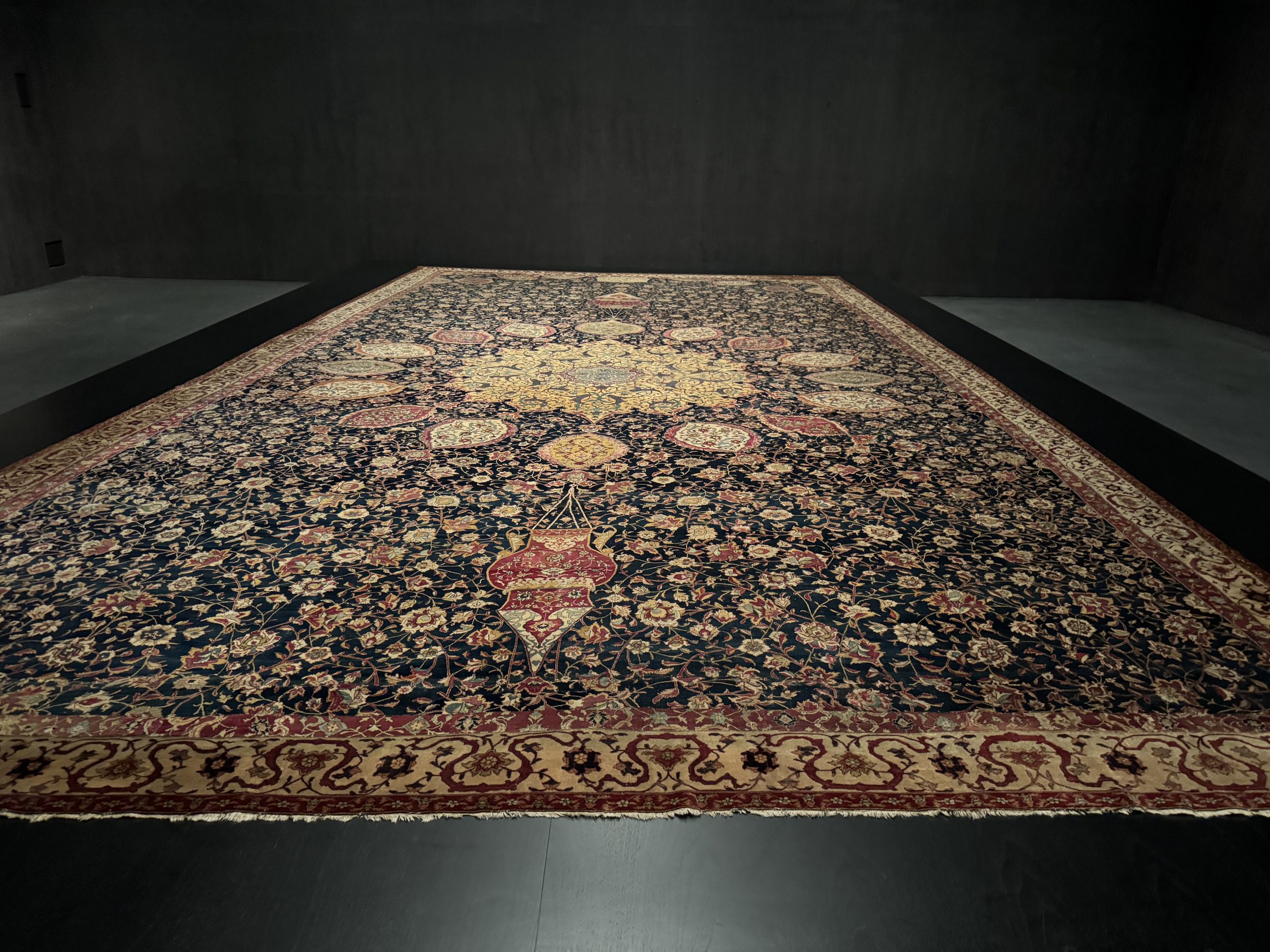
Due to their fragile nature, Persian carpets have only survived from the sixteenth century onward. The most renowned of all is a matched pair known as the Ardabil Carpets-one is held at the Los Angeles Museum of Modern Art and its counterpart is in the Victoria and Albert Museum, London.
Brought to England in the late nineteenth century, they were reported to have come from the ancestral shrine of the Safavid dynasty at Ardabil, in northwestern Iran. They are exceptional works of art not only for their design-which uniquely features lamps hanging from the top and bottom of their central medallions-but also because each is signed and dated. According to their inscriptions, the carpets were made in 1539-40 by Maqsud of Kashan, probably the designer who prepared the patterns and oversaw the project.
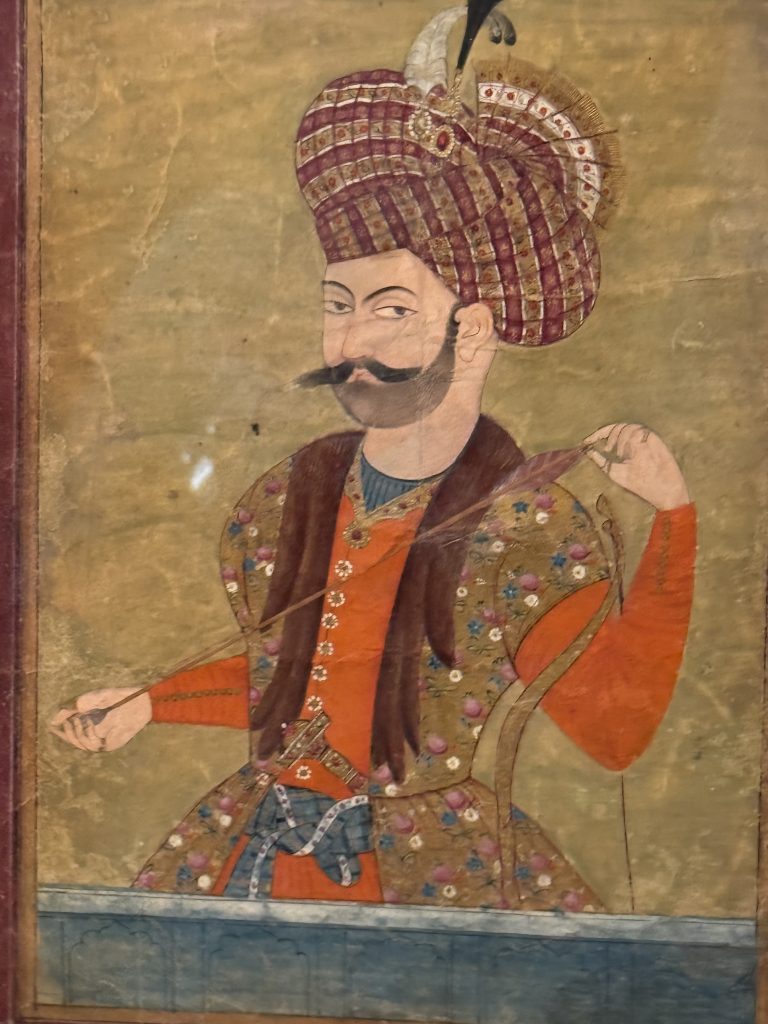
Alongside carpets, manuscript paintings are an esteemed art form from Iran and the Mughal territories of Central Asia . The Mughal Empire was strongly influenced by Persian culture , particularly in the arts .
Between the fifteenth and seventeenth centuries, the arts of the book in Iran and India were closely allied, sharing materials, techniques, styles, and a common Persianate literary tradition.
This was a costly art form, requiring wealthy, often royal patrons for whom lavishly illustrated and illuminated texts were status symbols.
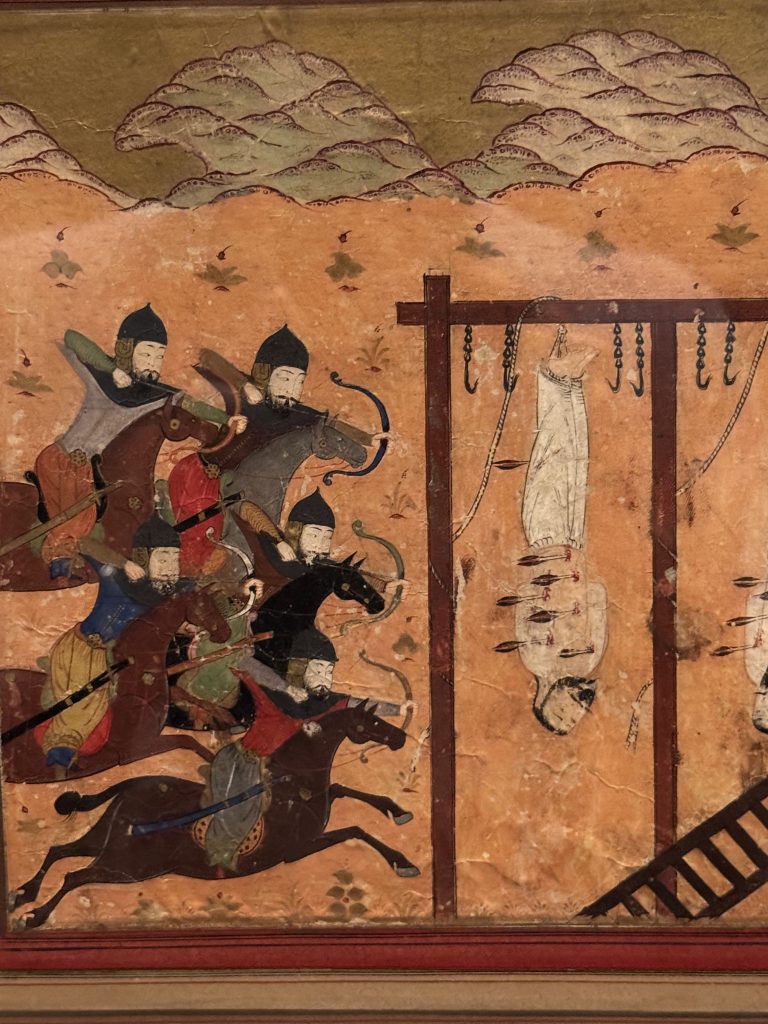
Manuscripts and artists circulated among the major court ateliers, primarily eastward from Iran to India, transmitting creative ideas and providing new sources of patronage.
In India many were produced under the patronage of the Mughal Emperor Humayun, who had been exiled in Persia . Many miniature paintings from the period show a striking resemblance between what was produced in Iran under the Safavid dynasty annd the Mughals in India .
Destinations: Iran / Pakistan/ Afghanistan / Uzbekistan / India
Watch: The Mughal Empire