
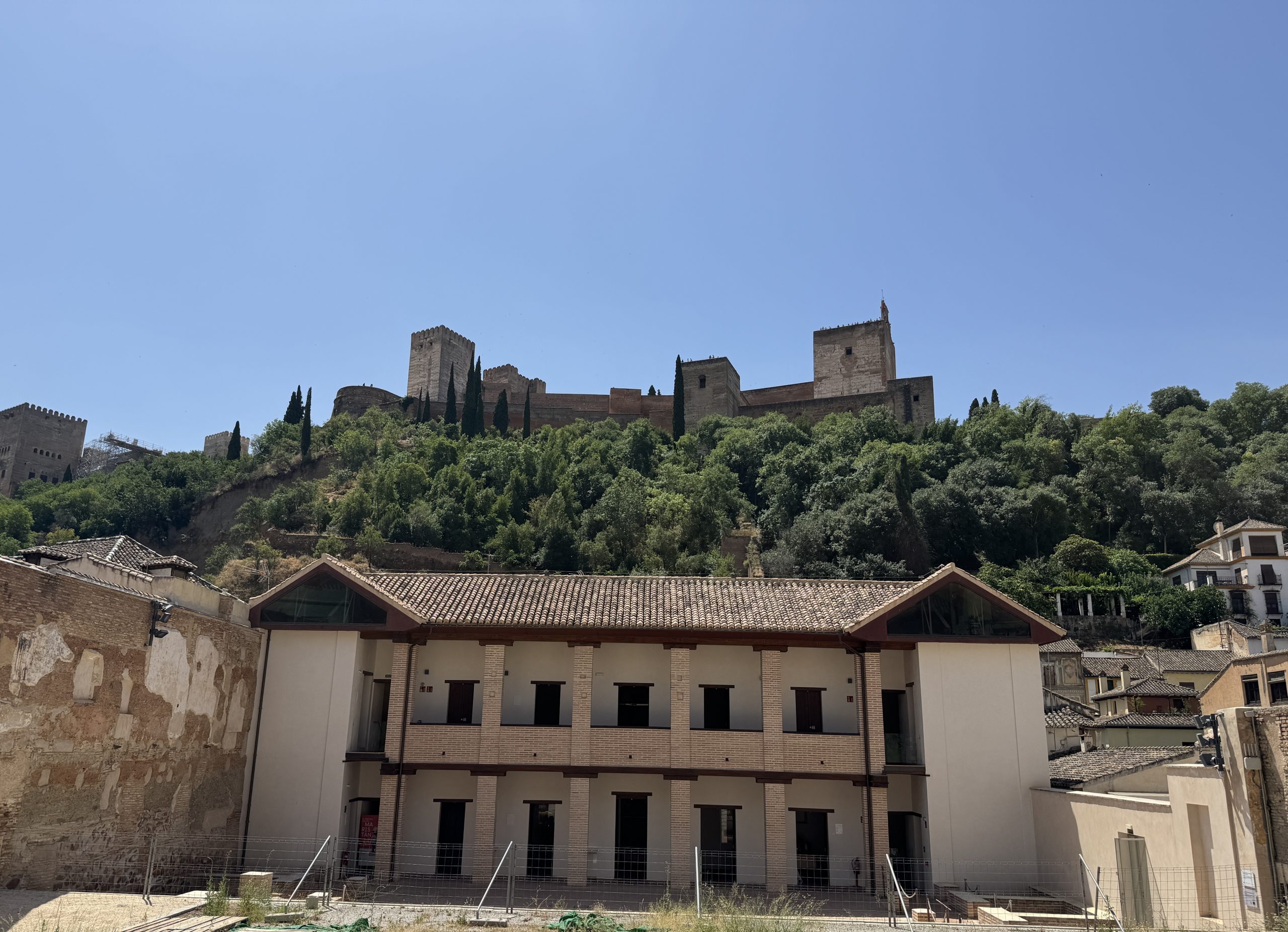
Moorish sites of Granada
The Alhambra is the best now Moorish site in Granada. But there is plenty more to secure beyond.
The residential district of the Albayzín, which constitutes the origin of the City of Granada, situated in a hill overlooking the Alhambra Palace is a rich legacy of Moorish town planning and architecture in which Nasrid buildings and constructions of Christian tradition coexist harmoniously.
Much of its significance lies in the medieval town plan with its narrow streets and small squares and in the relatively modest houses in Moorish and Andalusian style that line them.
There are, however, some more imposing reminders of its past prosperity. It is nowadays one of the best illustrations of Moorish town planning, enriched with the Christian contributions of the Spanish Renaissance.
The Alhambra and Generalife contain all the best known artistic techniques of the Hispano-Muslim world, where decorative and aesthetic elements are complimented by the intelligent use of water and vegetation.
But the Albayzín district is the best-preserved illustration of a Hispano-Muslim city in the South of Spain, particularly formed during the Nasrid dynasty which occurred at the end of the Moorish occupation of the Iberian peninsula. The Albayzín has been enriched with the contributions of Christian Renaissance and Spanish Baroque culture, but many original Moorish buildings were destroyed after the Reconquista in 1492.
A handful of unique Moorish structures in the Albayzin district outside the mighty Alhambra palace and fortress complex have been retained and preserved . Here are five of them
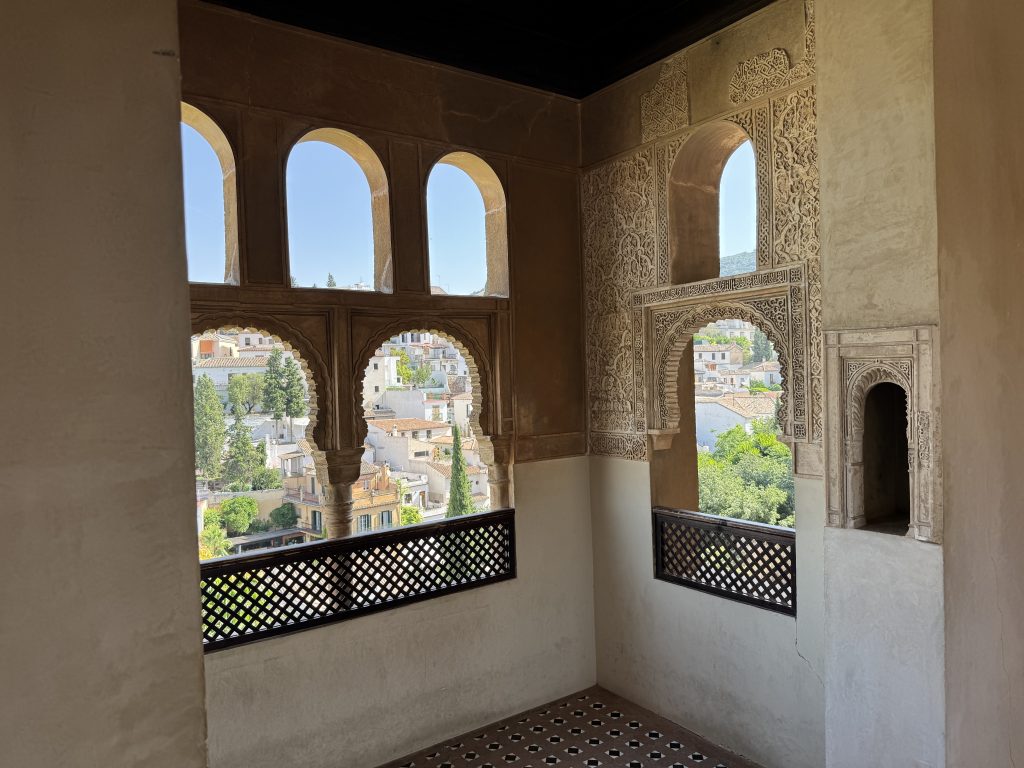
The Palacio de Dar al-Horra (literally meaning “House of the Honest Woman“) is a stunning 15th-century Nasrid palace tucked away in the upper Alcazaba Cadima area of the Albaicín. It is historically famous as the official residence of Sultana Aixa al-Horra, the mother of Boabdil, who was the last Muslim emir of Granada. Because of its layout and beautifully preserved architecture, it provides an intimate look at Nasrid palatial living outside of the massive Alhambra complex
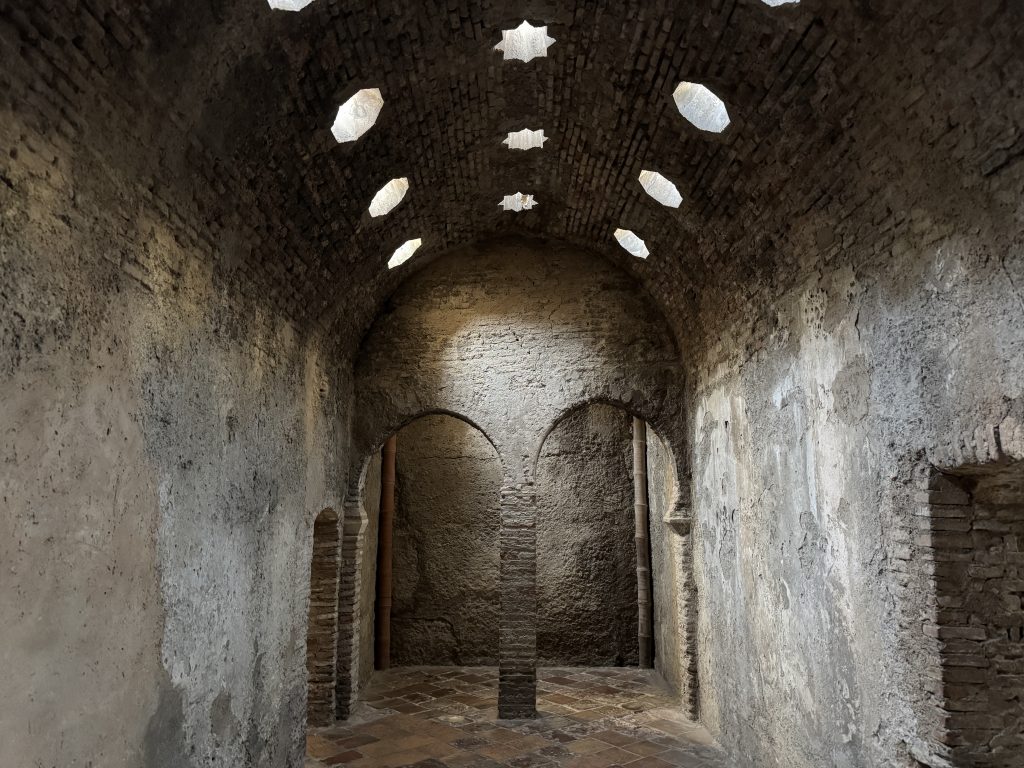
El Bañuelo (also known as Hammam al-Yawza or Baño del Nogal) is the oldest and best-preserved public Arab bathhouse in Andalusia. Located in the historic Albaicín neighborhood along the scenic Carrera del Darro, this 11th-century monument only survived the mass demolition of Islamic baths following the Christian conquest because a private residence was built directly over it.
Corral del Carbó is the only completely preserved Moorish caravanserai (a merchants’ inn and warehouse) in the entire Iberian Peninsula. Built in the early 14th century, it features a monumental horseshoe arch entryway adorned with intricate plasterwork, leading into a central courtyard with a stone water trough.
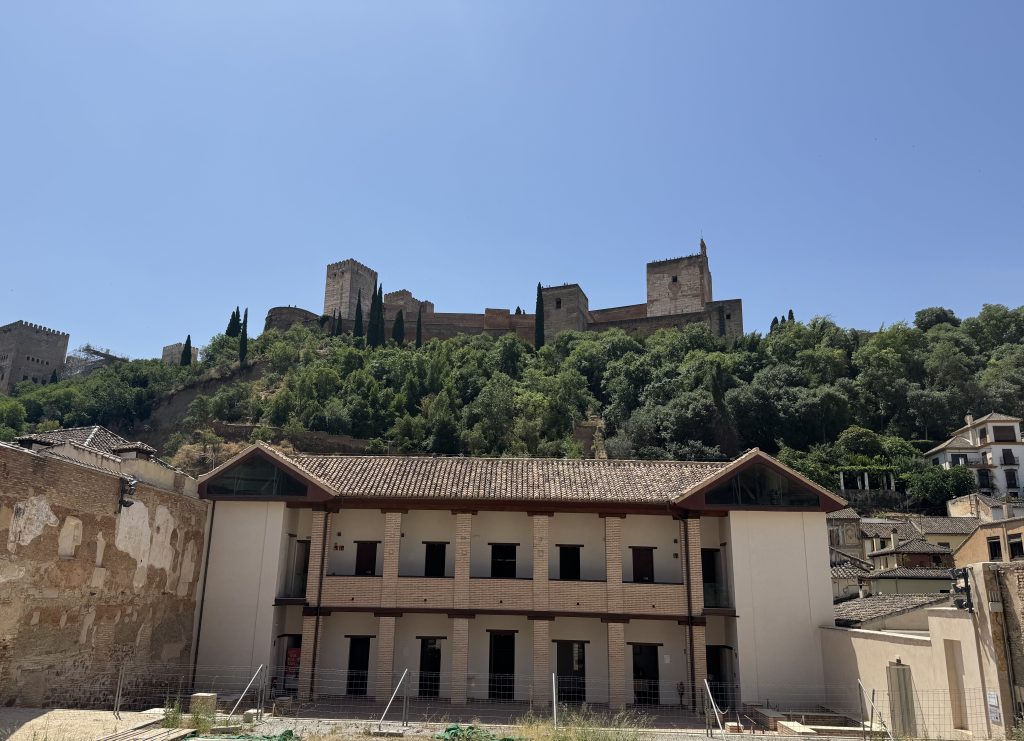
El Maristán: The remains of a 14th-century Islamic hospital founded by Sultan Muhammad V. It is one of the very few documented hospitals from the Nasrid era. Following extensive structural restoration, visitors can explore the archaeological courtyard footprint, which historically held a massive central pool guarded by stone lions.
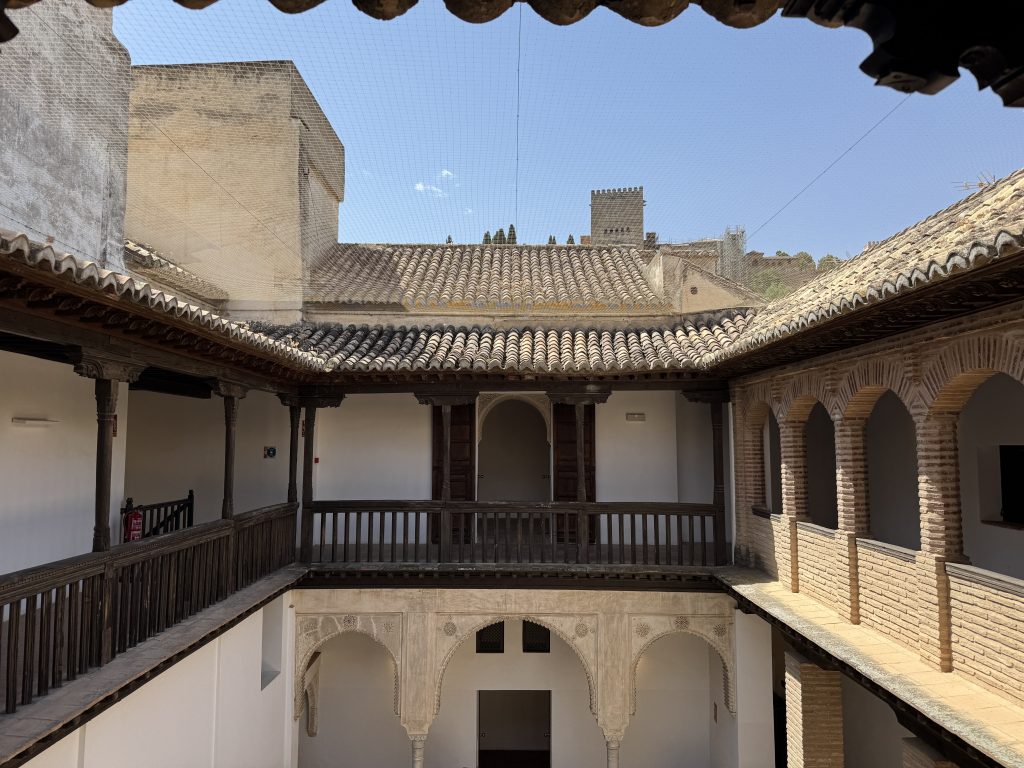
Casa Morisca de Horno de Oro: A beautifully restored Moorish courtyard house that perfectly blends Islamic design with later Renaissance modifications. It features a traditional inner pool, wooden structural galleries on the upper floor, and an exceptional architectural view looking directly up toward the Alhambra complex.
Destination: Spain