Top 5 Galicia
Galicia is a region in the north west of Spain, with a dramatic Atlantic coastline, deep Celtic roots, and world-famous spiritual heritage. Unlike the dry plains of central Spain, Galicia is a lush, green territory defined by deep coastal inlets (rías) and incredible seafood.
1. Santiago de Compostela Cathedral
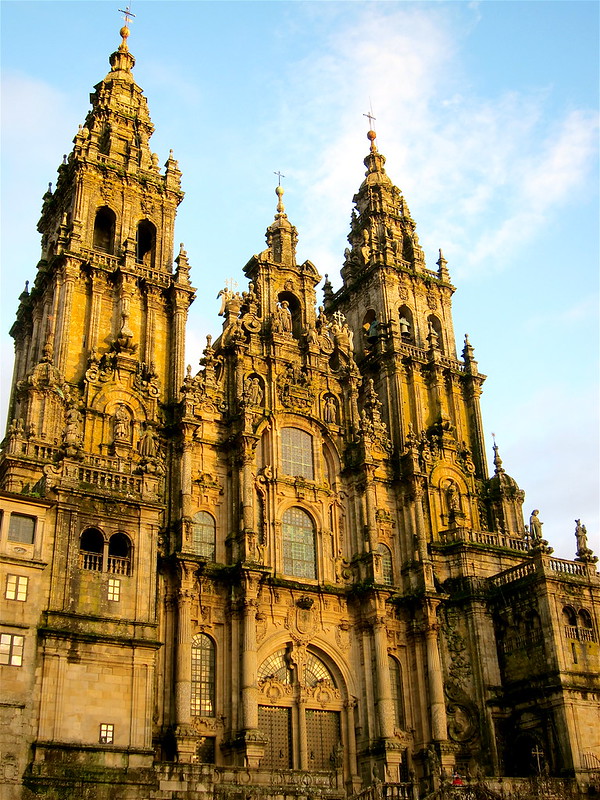
This grand cathedral is the final destination of the historic Camino de Santiago (Way of St. James) pilgrimage route.
The spectacular Baroque façade towers over the Plaza del Obradoiro. Inside, pilgrims gather to view the tomb of St. James and watch the Botafumeiro—a massive, 53-kilogram silver censer that swings dramatically across the cathedral ceiling at high speeds during special masses.
2. Cíes Islands (Illas Cíes)
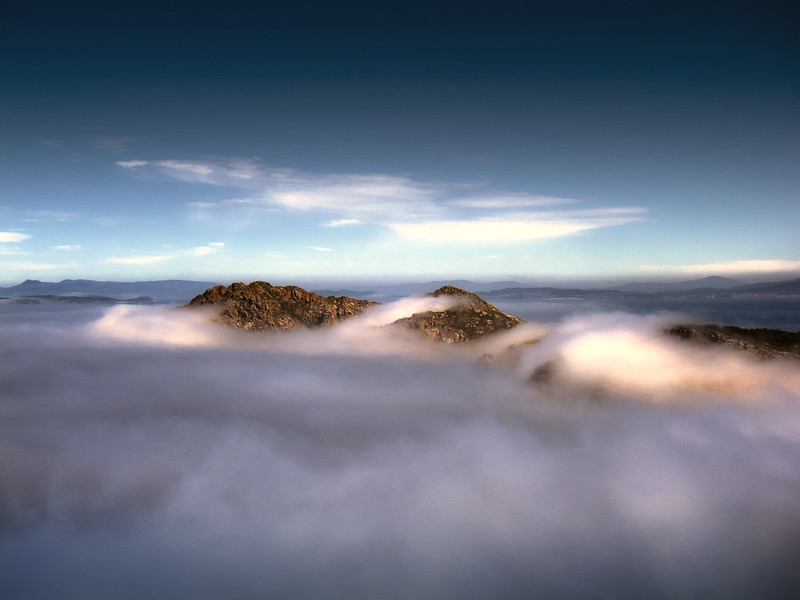
Located at the mouth of the Ría de Vigo, this pristine archipelago is a protected national park often called the “Galician Caribbean.”
Rodas Beach,is a crescent of powdery white sand and turquoise water that has been voted among the best beaches in the world. The islands strictly limit daily visitors to preserve the environment, making it a peaceful sanctuary for hiking and bird watching.
3. Tower of Hercules (Torre de Hércules)
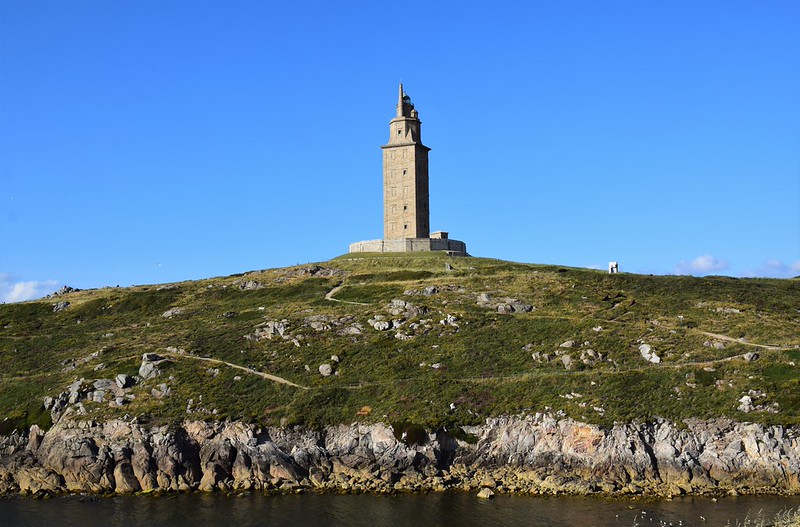
Located in A Coruña, this is the oldest working lighthouse in the world. Built by the Romans in the late 1st century AD, this UNESCO World Heritage site still guides ships safely into the Atlantic harbor today. You can climb the internal stairs to the top deck for panoramic views of the crashing Atlantic waves, and explore the surrounding sculpture park filled with Celtic carvings.
4. Roman Walls of Lugo (Muralla Romana de Lugo)
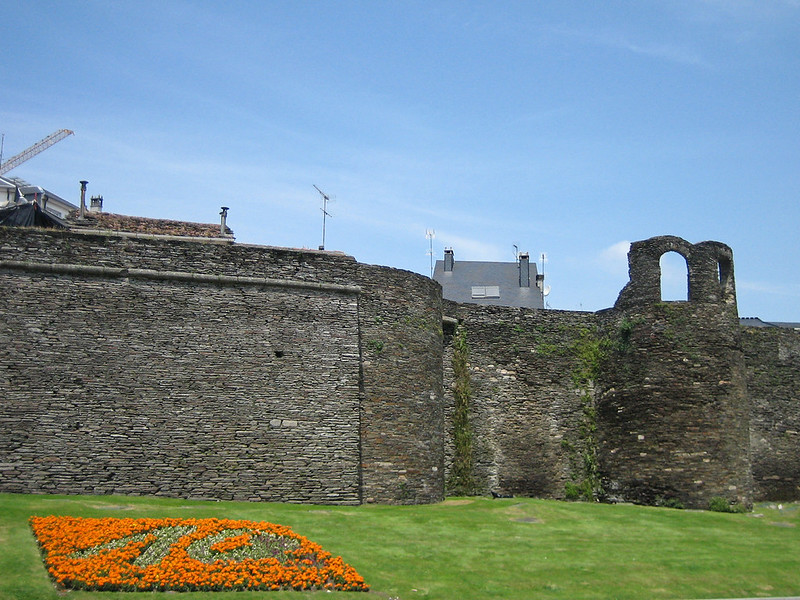
Lugo is home to the only city walls in the world that remain entirely intact around an ancient Roman core.
This UNESCO World Heritage site features 71 surviving towers and span 2.1 kilometres uninterrupted. The top of the wall has been transformed into a flat, wide pedestrian promenade where locals walk, jog, and look down into the historic old town rooftops.
5. Cape Finisterre (Cabo Fisterra)
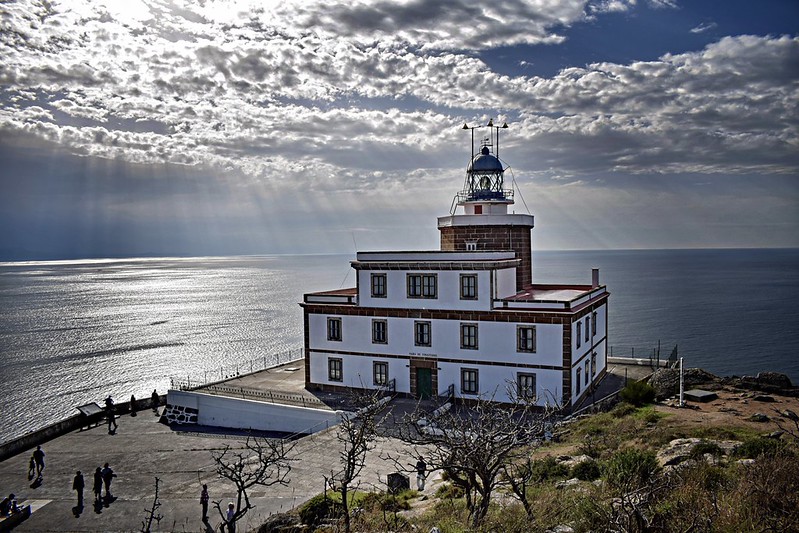
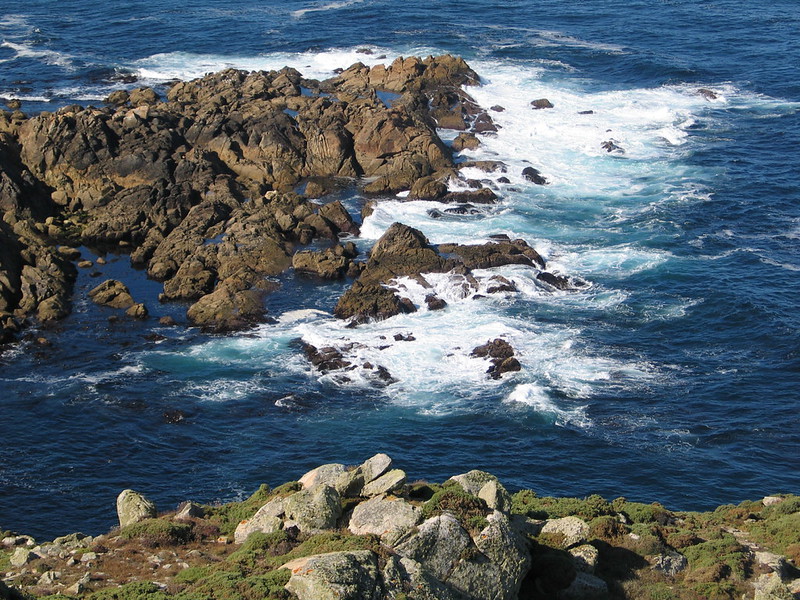
Before Columbus sailed to the Americas, the Romans considered this rocky, wind-swept peninsula to be the “End of the World” (Finis Terrae).
A historic lighthouse sitting atop dramatic cliffs that drop steeply into the Atlantic Ocean. It is a traditional final milestone for pilgrims who walk an extra three days past Santiago de Compostela to burn their boots or watch the sunset over the endless western horizon.
Destination: Spain