Historic Surabaya
Surabaya is a port city on the Indonesian island of Java. A vibrant, sprawling metropolis, it mixes modern skyscrapers with canals and buildings from its Dutch colonial past.
It has a thriving Chinatown and an Arab Quarter whose Ampel Mosque dates to the 15th century. The Tugu Pahlawan (Heroes Monument) honors the independence battles waged in Surabaya’s streets in 1945.
Surabaya[is the capital and largest city of East Java province and the second-largest city in Indonesia, after Jakarta.
The city was settled in the 10th century by the Kingdom of Janggala, one of the two Javanese kingdoms that was formed in 1045 when Airlangga abdicated his throne in favor of his two sons. In the late 15th and 16th centuries, Surabaya grew to be a duchy, a major political and military power as well as a port in eastern Java, probably under the Majapahit empire.
At that time, Surabaya was already a major trading port, owing to its location on the River Brantas delta and the trade route between Malacca and the Spice Islands via the Java Sea. During the decline of Majapahit, the lord of Surabaya resisted the rise of the Demak Sultanate and only submitted to its rule in 1530.[Surabaya became independent after the death of Sultan Trenggana of Demak in 1546.
From the 18th century until the mid-20th century, Surabaya was the largest city in the Dutch East Indies and the main trading hub for the Indonesian archipelago, competing with Shanghai and Hong Kong.
Japan occupied the city in 1942, as part of the Japanese occupation of the Dutch East Indies, and it was bombed by the Allies in 1944. After the surrender of Japan at the end of World War II, Surabaya was seized by Indonesian nationalists. The young nation soon came into conflict with the British, who had become caretakers of the Dutch colony after the Japanese surrender.
The Battle of Surabaya, started after the Arek-Arek Suroboyo (lit. ’Young People (or just people) of Surabaya’) killed British Brigadier Aubertin Mallaby on 30 October 1945, near Jembatan Merah, allegedly with a stray bullet.
The Allies gave an ultimatum to the Republicans inside the city to surrender, but they refused. The ensuing battle, which cost thousands of lives, took place on 10 November, which Indonesians subsequently celebrate as Hari Pahlawan (Heroes’ Day). The incident of the red-white flag (the Dutch flag at the top of Yamato Hotel’s tower that was torn into the Indonesian red-white flag) by Bung Tomo is also recorded as a heroic feat during the struggle over the city.
The city is known as Kota Pahlawan (lit. ’The City of Heroes’) due to the importance of the Battle of Surabaya in galvanising Indonesian and international support for Indonesian independence during the Indonesian National Revolution.
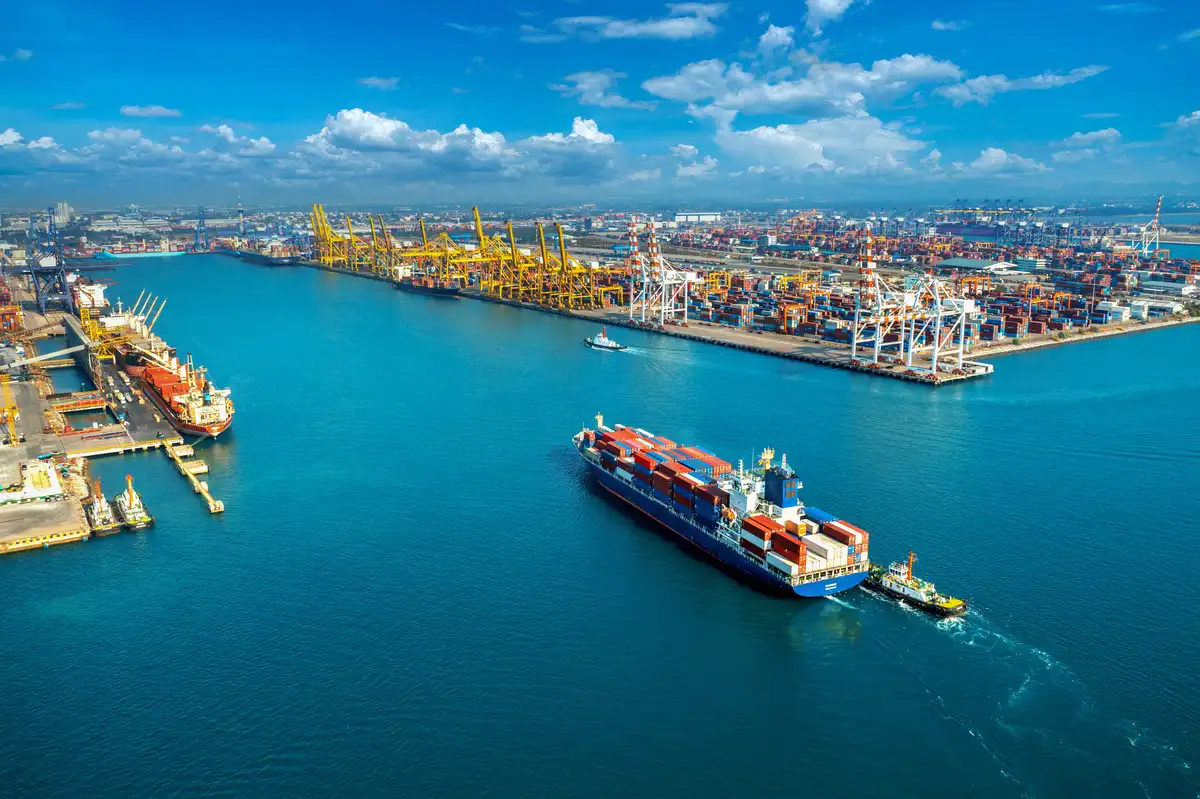
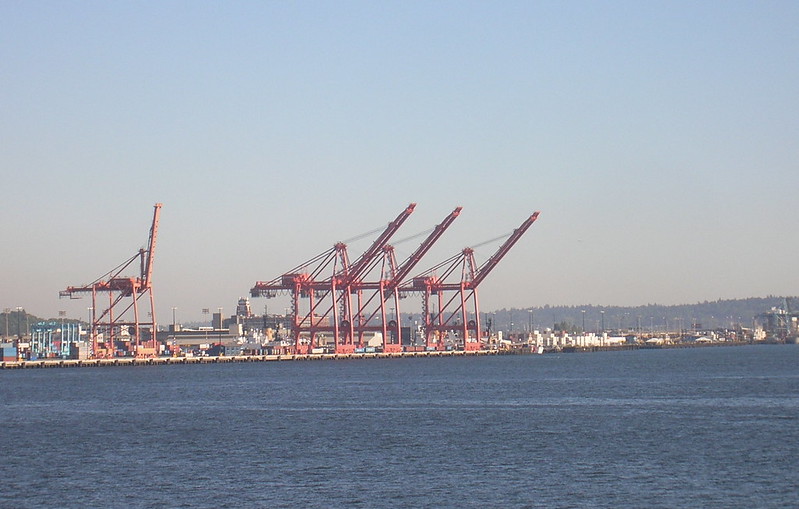
Surabaya has been one of the busiest trading city ports in Asia. Principal exports from the port include sugar, tobacco, and coffee. Its rich history as a trading port has led to a strong financial infrastructure with financial institutions such as banks, insurance, and export-import companies. The economy is influenced by the recent growth in international industries and the completion of the Suramadu Bridge. The city is home to a large shipyard and numerous specialized naval schools.The Bank of Indonesia has also made plans for Surabaya to be the Islamic financial center of Indonesia.
Destination: Indonesia