
Extreme Jewry
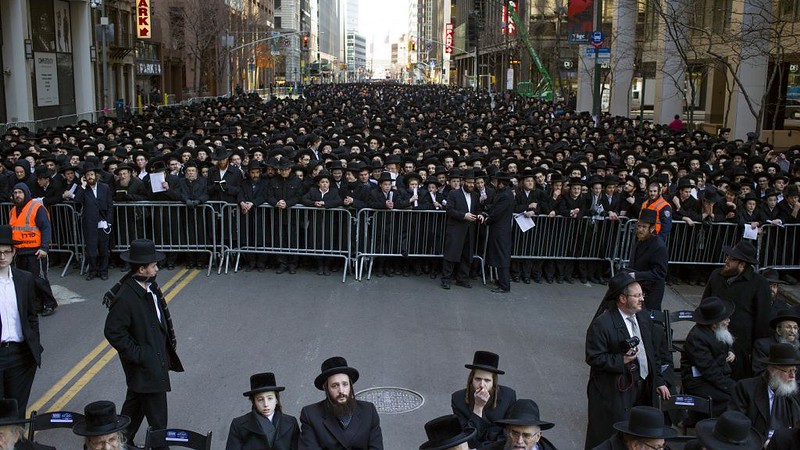
“Extreme Jewry” generally refers to Haredi (Ultra-Orthodox) Judaism, particularly Hasidic sects, known for strict adherence to Jewish law, separation from secular society, and distinctive 18th-century Eastern European attire.
These communities, concentrated in Israel and New York, focus on intense Torah study, high birth rates, and limited technology use, often viewed as the most conservative branch of Judaism.
Haredim often live in insular communities, striving to minimize contact with modern, secular culture to maintain purity.
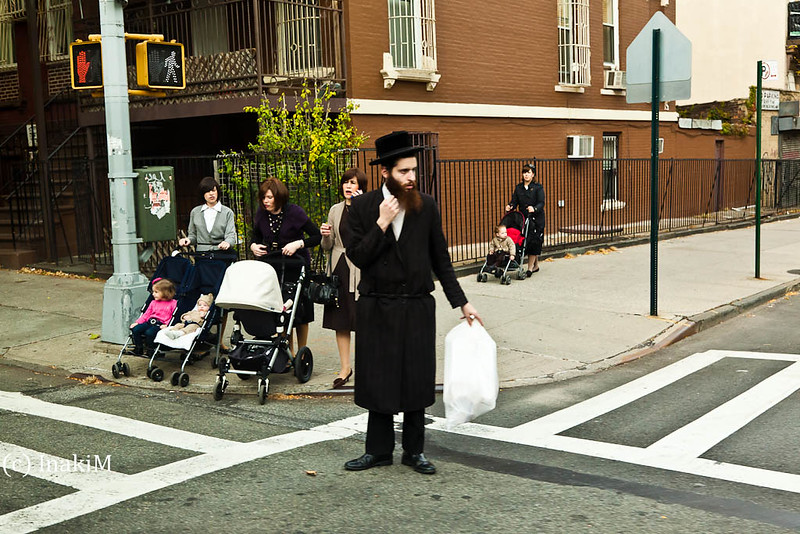
Men often wear black suits and hats, with long side-locks (payot) and beards. Women adhere to strict modesty rules (tzniut), including long skirts, high necklines, and often wigs or head coverings.
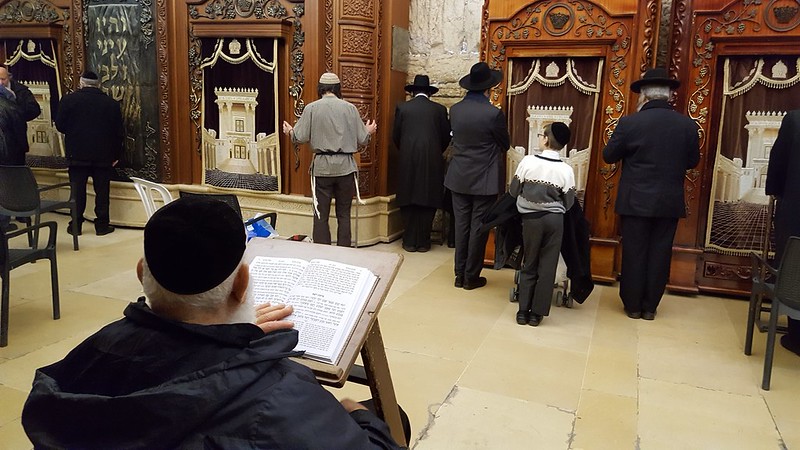
Many groups practice strict gender separation in public spaces, schools, and during religious services.
Marriage occurs within the community, often at a young age, with large families being the norm.
With Education, focus is entirely on religious texts (Torah/Talmud), often ignoring secular subjects.
Many communities avoid television, the internet, and smartphones, or use restricted “kosher” phones.There is also strict devotion to a “Rebbe” (spiritual leader) in Hasidic communities.
These communities, such as those in Mea Shearim (Israel) or Williamsburg (Brooklyn), exist as a “community within a community,” upholding traditions they believe are being lost.
Politically, Extreme Jewry takes in Right-wing Jewish politics which encompasses a diverse range of ideologies, primarily characterized by nationalist, religious Zionist, or conservative views, particularly regarding the State of Israel.
In the 2020s, this political segment has grown significantly in influence, especially within Israel, where the 2022 coalition government was described as the most right-wing in the country’s history.
Religious Zionism is a major force that combines Orthodox Judaism with nationalism, holding that the land of Israel belongs to the Jewish people based on religious, historical, and security grounds.
Right-wing Jews often prioritize a strong military defense and a hardline stance against security threats, typically opposing the creation of a Palestinian state and supporting the expansion of Israeli settlements in the West Bank.
Extremist factions, such as those represented by parties like Otzma Yehudit (Jewish Power), are associated with anti-Arab sentiments, Jewish supremacy, and calls for the removal of non-Jews who do not accept Jewish sovereignty.
Historically, this tradition (represented by the Likud party) is rooted in secular nationalism but has increasingly partnered with religious parties to create a nationalist majority.
The political landscape in Israel has shifted significantly to the right, particularly since the late 1970s. In 2022, 14 of 120 Knesset seats were held by a far-right alliance (Religious Zionist Party, Otzma Yehudit, Noam).
Recent surveys indicate a strong rightward trend among young Jewish Israelis, with around 73% of 15–24 year-olds identifying as right-wing.
Led by Prime Minister Benjamin Netanyahu (Likud), Israel’s government has included figures like Itamar Ben-Gvir and Bezalel Smotrich, who advocate for expanded settlements and increased Jewish presence in the West Bank.
Destinations: Israel, Palestine
View: The Jewish Diaspora