Puglia’s Historic Ports: Bari and Brindissi
The historic ports of Bari and Brindisi served as Europe’s primary maritime gateways to the Eastern Mediterranean, playing pivotal roles from the heights of the Roman Empire through the medieval Crusades. Located on Puglia’s Adriatic coast, both ports were fortified by the Norman and Swabian empires to secure global trade and military dominance.
The Port of Brindisi: Rome’s Gateway to the East
Brindisi (Brundisium) featured a unique, stag-head-shaped natural harbor that made it the safest and most critical naval base of ancient Rome. It served as the final terminus for the empire’s most vital logistical highway.
The Appian Way completed in 190 BC, connected Rome directly to Brindisi’s harbor. Atop a grand staircase overlooking the sea stand the majestic Roman Columns, built to celebrate the harbor’s immense trade power.
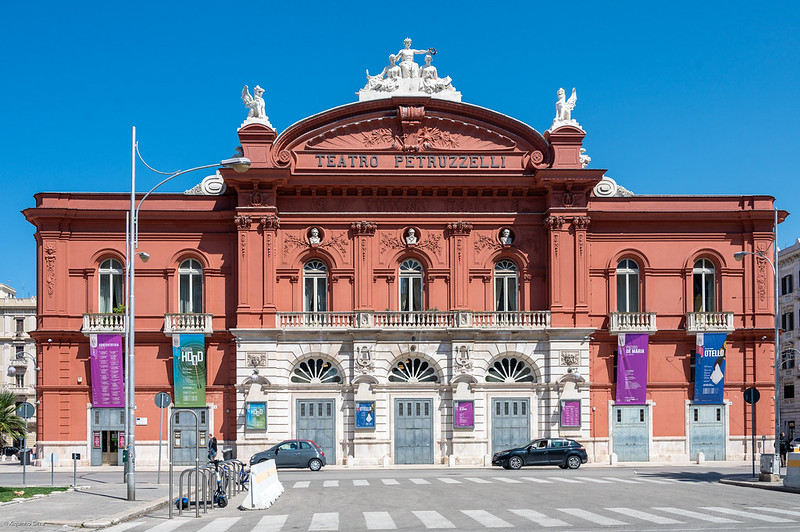
During the 11th to 13th centuries, the port became the main departure point for knights and pilgrims sailing to Jerusalem. The nearby Brindisi Cathedral was built during this era to serve these travellers.
To safeguard the inner harbor, Emperor Frederick II built the Swabian Castle(Castello Svevo) on land. Later, the Aragonese added the island-based Alfonsino Castle (Forte a Mare) at the harbor’s entrance to fend off Ottoman ships.
After centuries of decline, the 1869 opening of the Suez Canal restored Brindisi as a booming hub for international ships traveling between Europe and Asia.
The Port of Bari: The Byzantine & Merchant Hub
Bari’s maritime history is defined by its role as a strategic commercial center, shifting between Byzantine control, Norman conquest, and merchant independence.
Bari was the seat of the Byzantine governor in southern Italy until 1071, when the Normans conquered it and used its harbor alongside Brindisi as a primary loading point for the Crusades.
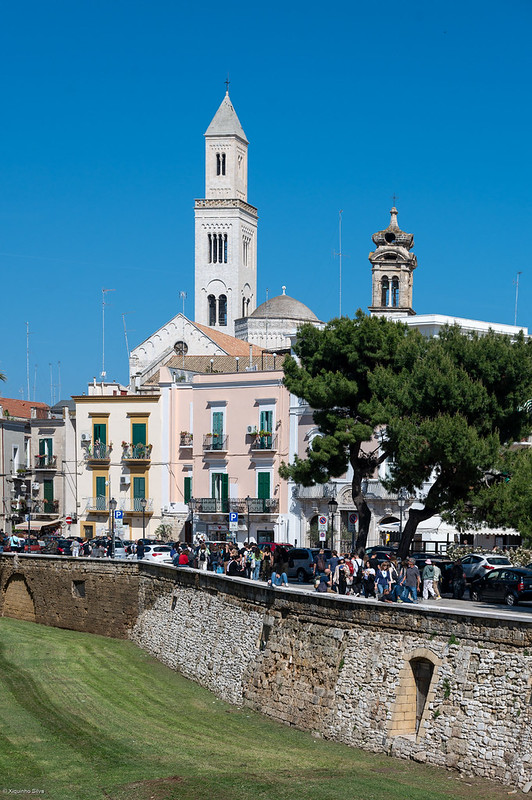
In 1087, bold Bari sailors launched an expedition to Asia Minor, stealing the relics of Saint Nicholas and bringing them back to the port. This transformed the port town into one of Europe’s premier medieval pilgrimage sites, anchored by the waterfront Basilica di San Nicola.
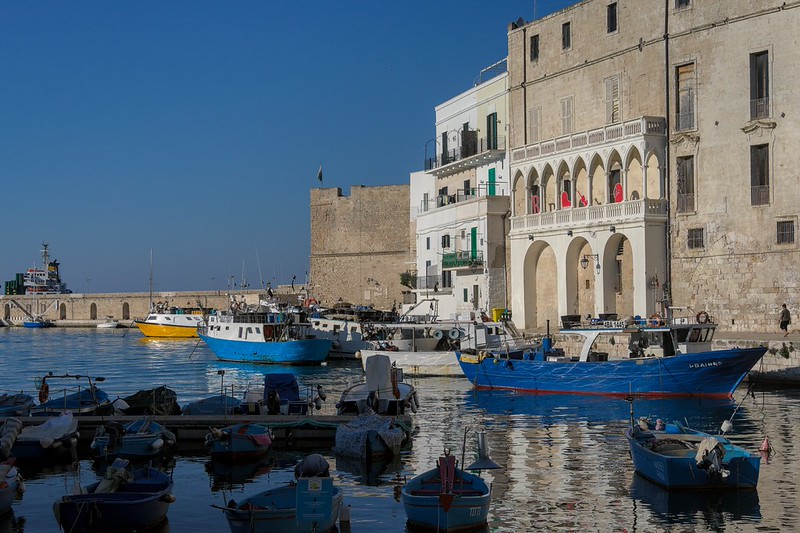
The Old Harbor sits directly beneath the walls of the old town (Bari Vecchia). For centuries, it handled trade with the Balkans. Today, it remains an active artisanal fishing port where fishermen sell raw seafood right from their wooden boats.
Castello Svevo di Bari dominates the historic harbor skyline. This massive coastal fortress was originally built by the Normans and later fortified by Frederick II to control and defend maritime access to the city.
Bari and Brindisi Today
The two cities maybe the primary gateway cities of the Puglia region in separated by just a 1-hour train ride or drive along the Adriatic coast. But today offer distinctly different atmospheres, travel connections, and city vibes.
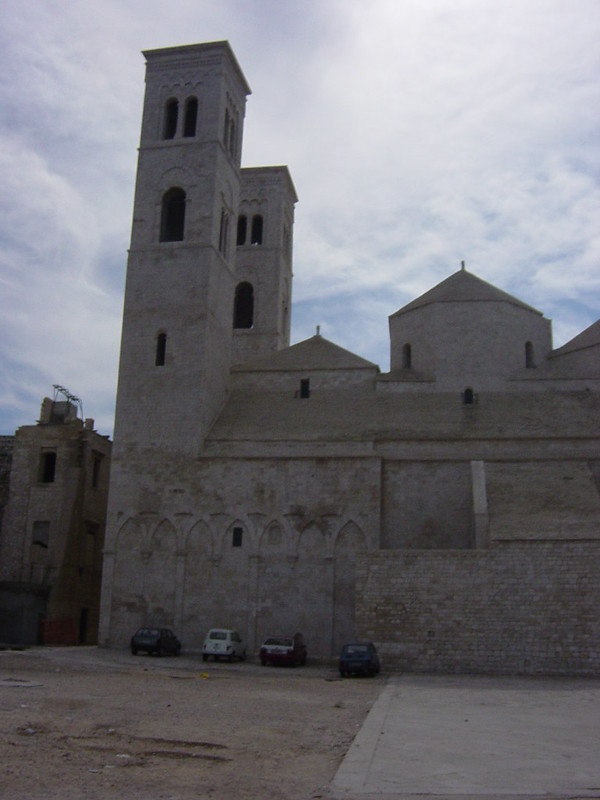
Bari is a large, energetic city split into two distinct parts. Bari Vecchia (the old town) is a historic maze of alleys where local women sit outside making fresh orecchiette pasta by hand. The Murat district offers grand 19th-century architecture and high-end shopping.
Brindisi has a much smaller, sleepier feel. It is centered around a grand natural harbor that has served as a critical trade port since Roman times. It features wide, palm-lined promenades and a beautifully spruced-up old town.
Destination: Italy