Top Ten Gdansk
The top historic sites in Gdańsk are anchored by the Main Town (Główne Miasto), the historic shipyards, and Westerplatte, tracing the city’s journey from a medieval Hanseatic powerhouse to the flashpoint of World War II and the birthplace of the Solidarity movement.
Gdańsk boasts one of Europe’s most magnificent collections of Brick Gothic architecture, heavily shaped by its history as a wealthy Hanseatic League trading hub in the medieval era and its period under the Teutonic Knights.
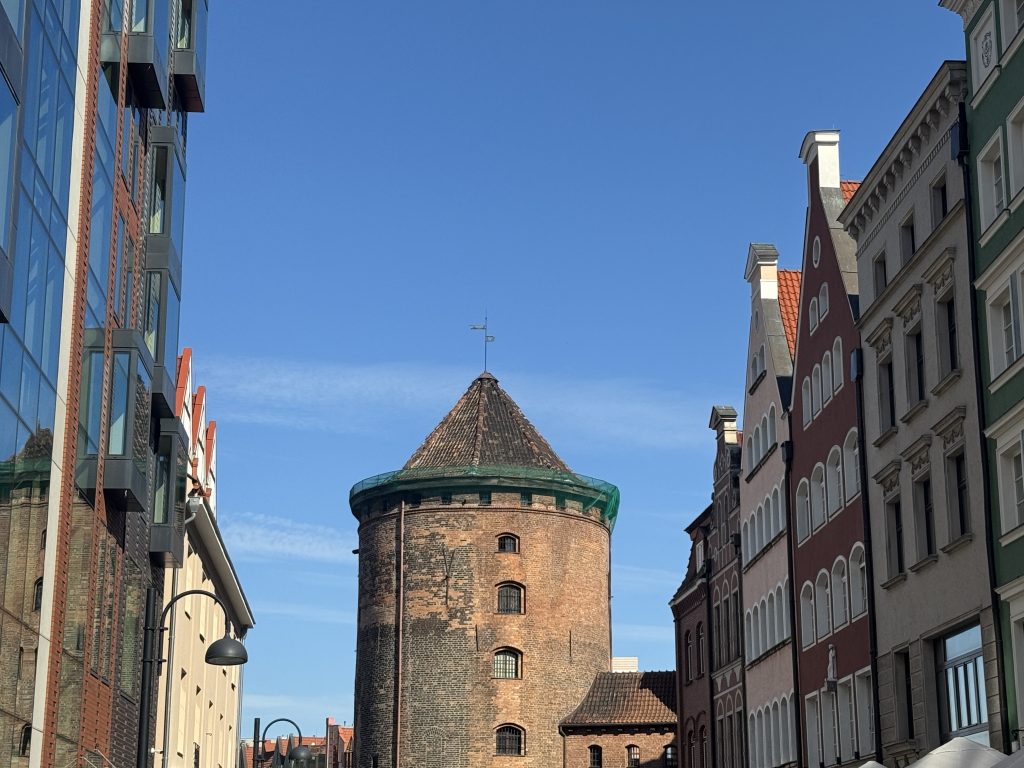
While much of the city center was meticulously reconstructed after devastation in World War II, the architectural layout, defensive structures, and monumental buildings retain their original medieval brilliance.
The city was called its German name Danzig when Poland was partitioned and part of Prussia for two centuries and then again when it was occupied by the Nazis in the 2nd World War.
Here are our Top Ten Sites in Gdansk
1. St. Mary’s Basilica: Considered the largest brick-built church in the world, this massive structure was completed in 1502. Its vast whitewashed interior features a 15th-century astronomical clock and a 78-meter-tall bell tower. Visitors can climb over 400 steps to the top for panoramic views of the city.
2. The Crane (Żuraw): This hulking waterfront structure, built in 1444, is the most famous symbol of Gdańsk’s maritime heritage. Functioning as a combined fortified city gate and a port crane, it used massive internal wooden treadwheels powered by human muscle to hoist cargo and install ship masts.
3. Main Town Hall: Situated at the junction of Ulica Długa and the Long Market, this Gothic-Renaissance masterpiece dates back to the 14th century. It was the historic seat of local governance for centuries and now houses the Museum of Gdańsk.
4. The Great Mill: Built by the Teutonic Knights in the 14th century along the Radunia Canal, this unique piece of industrial architecture features a distinctively steep, massive multi-storey roof. For centuries, it stood as one of the largest operational mills in Europe.
5. The Gatehouse Complex (Katownia & Prison Tower): Dating to the late 14th century, this Gothic structure served as part of the primary western defensive walls before being converted into a torture chamber and prison court.
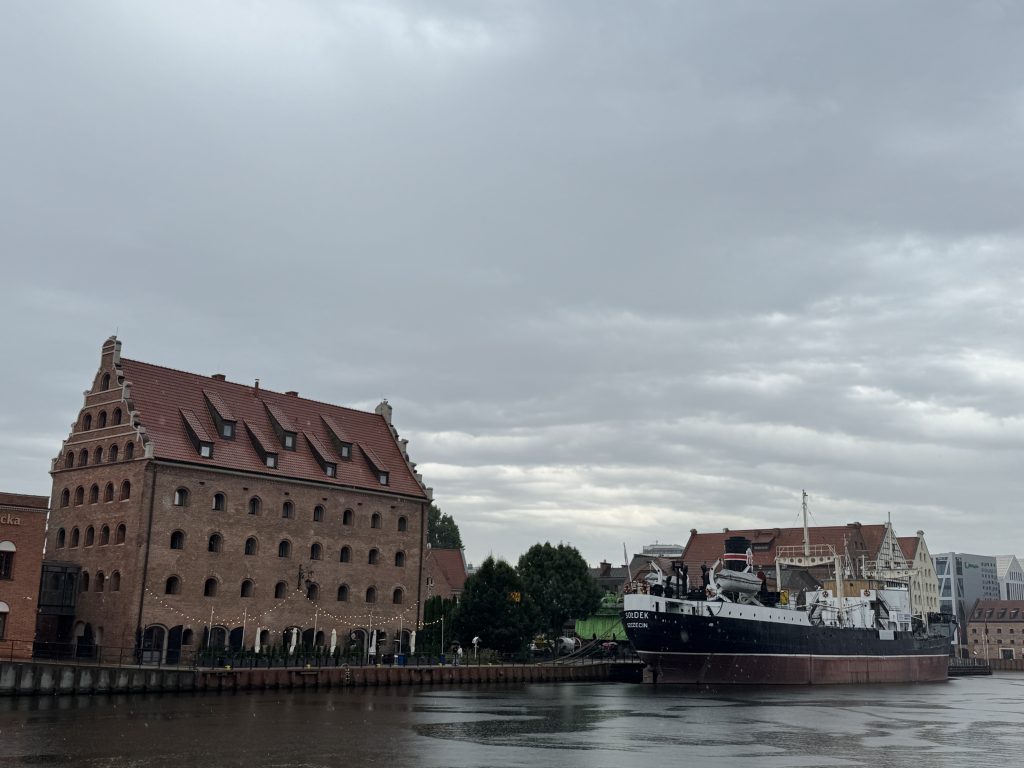
6. The Granaries on Ołowianka Island: Serving as the main headquarters of the maritime museum, these beautifully reconstructed historic granaries house multi-floor galleries covering underwater archaeology, global trade history, and Polish naval warfare.
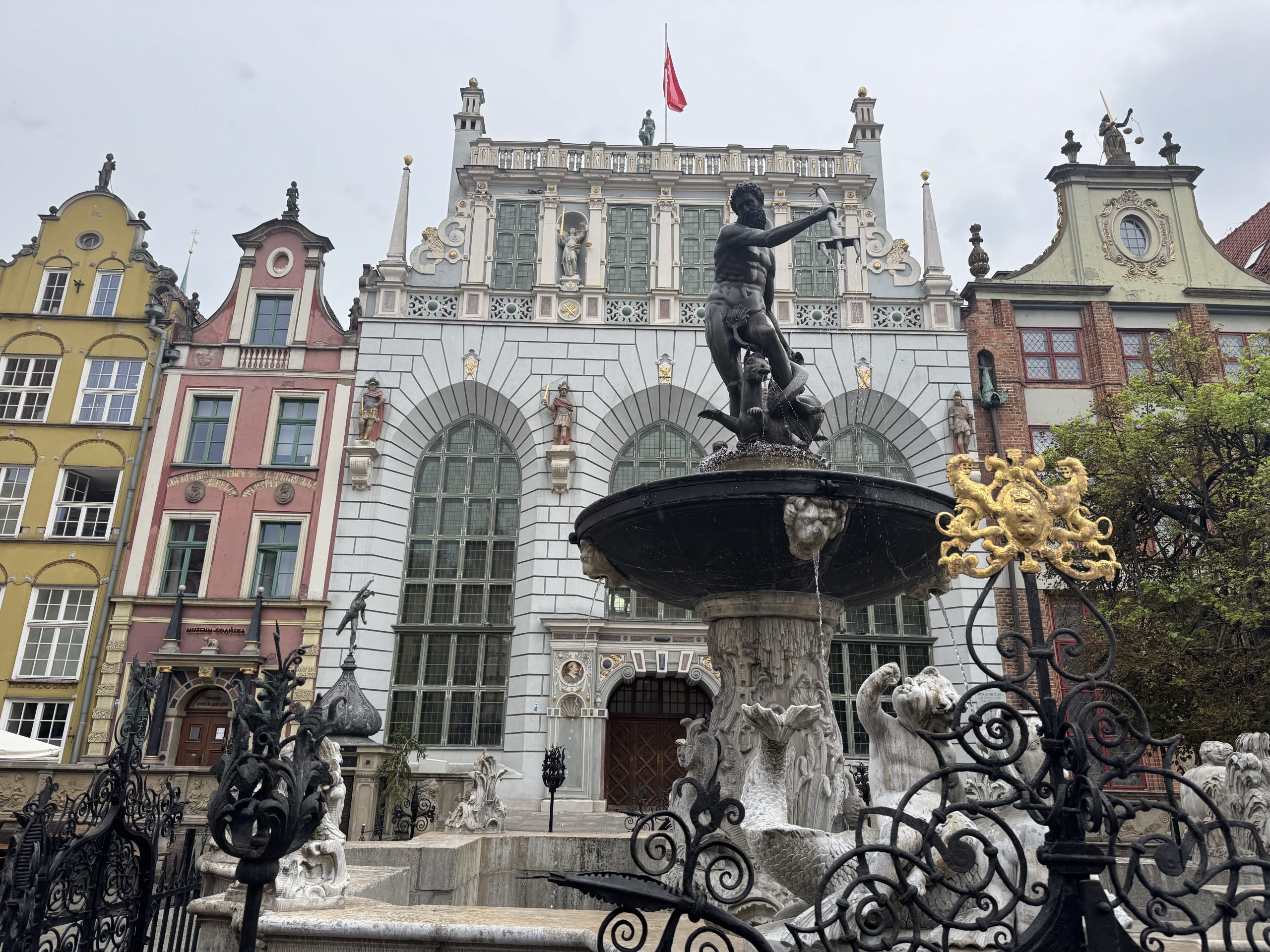
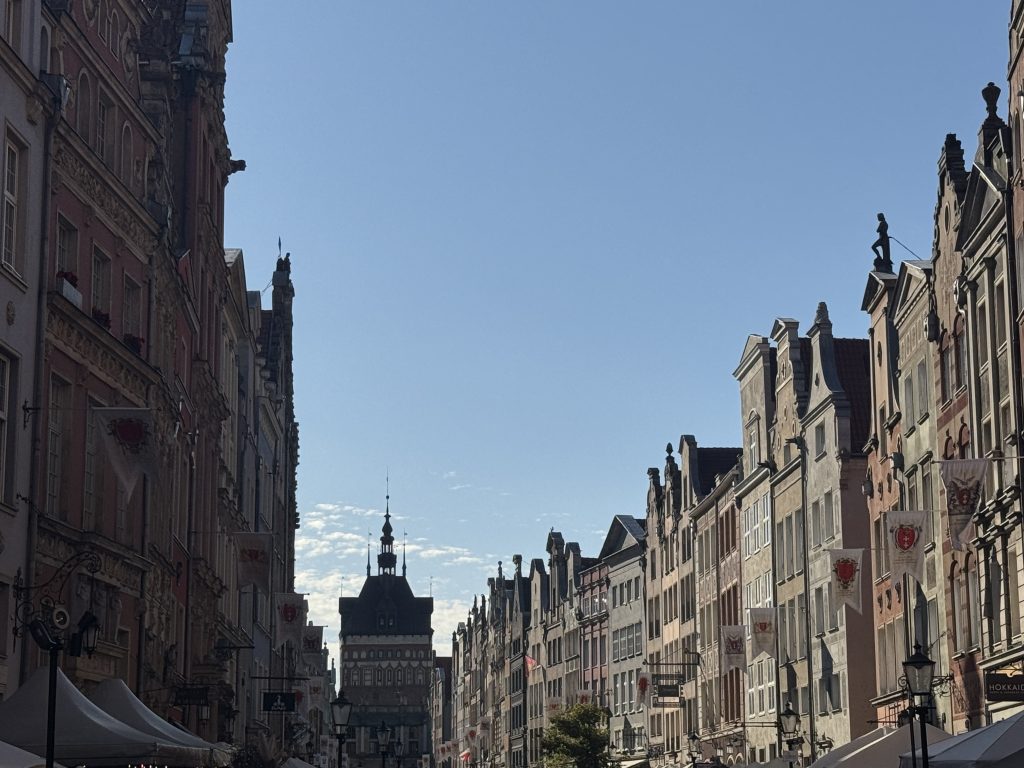
7. The Royal Route & Main City Center: The beating heart of historical Gdańsk runs down Długa Street and the Long Market (Długi Targ), lined with richly decorated burgher mansions, historic gates, and landmarks from the city’s Golden Age.
8. The Imperial Shipyard & European Solidarity Centre: The historic shipyards where Lech Wałęsa led the famous 1980 strikes, giving birth to the Solidarność (Solidarity) trade union that eventually brought down communism in Central Europe. The neighboring Museum of the Second World War and European Solidarity Centre provide state-of-the-art context.
9. Mariaka Street: Radiating outward from St. Mary’s Church down to the river gate, this cobblestone lane is widely considered one of Europe’s most beautiful streets. It is famous for its ornate stone terraces (p rzedproża) and local amber workshops.
10. The Museum of the Second World War: Most d Gdandk was destroyed in the 2nd World War and had been painstakingly re built For 20th-century history, the Museum of the Second World War is world-renowned for both its architectural design and its immersive exhibits. Designed as a striking, tilted red concrete and glass tower, the vast majority of its deeply emotional exhibition space is built entirely underground.
Destination: Poland