
Magnificent Medieval Gdansk
Gdańsk boasts one of Europe’s most magnificent collections of Brick Gothic architecture, heavily shaped by its history as a wealthy Hanseatic League maritime trading hub on the shores of the Baltic Sea.
Poland was prized for its plentiful supplies of timber and grain and Gdansk was the port which shipped it out of the Baltic and across Europe.
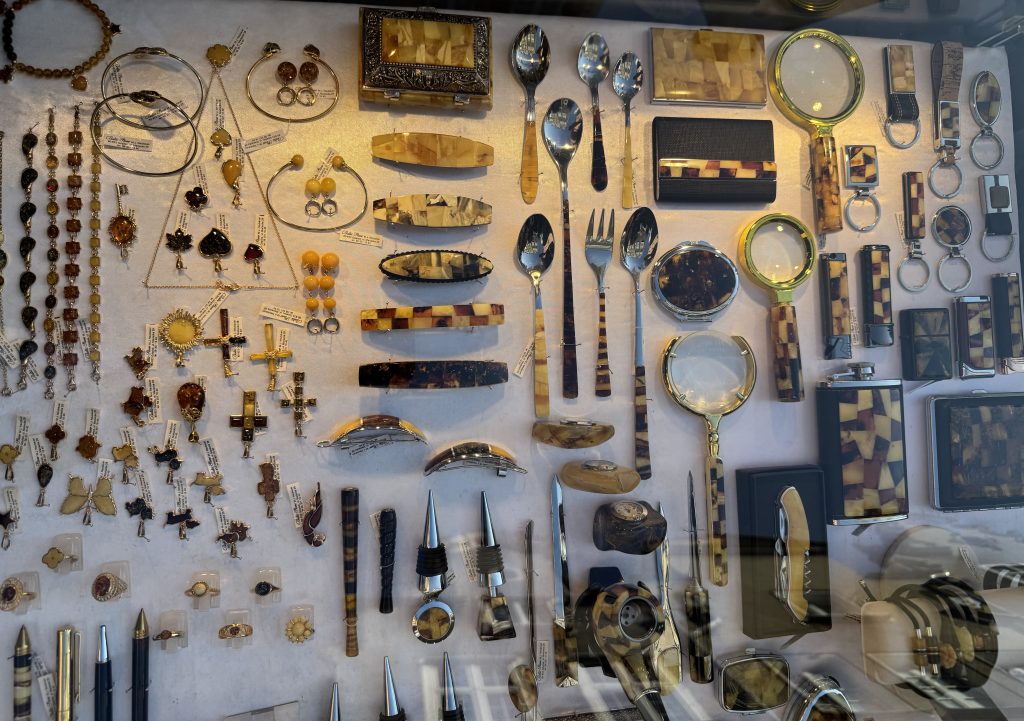
The city also prospered from the Amber trade . Even today the precious resin washes up on the seashores of the Baltic.
The city was also shaped by and its period under the all powerful Teutonic Knights.
Here is our list of top sites in the city from the medieval era.
1. The Royal Route & Main City Center
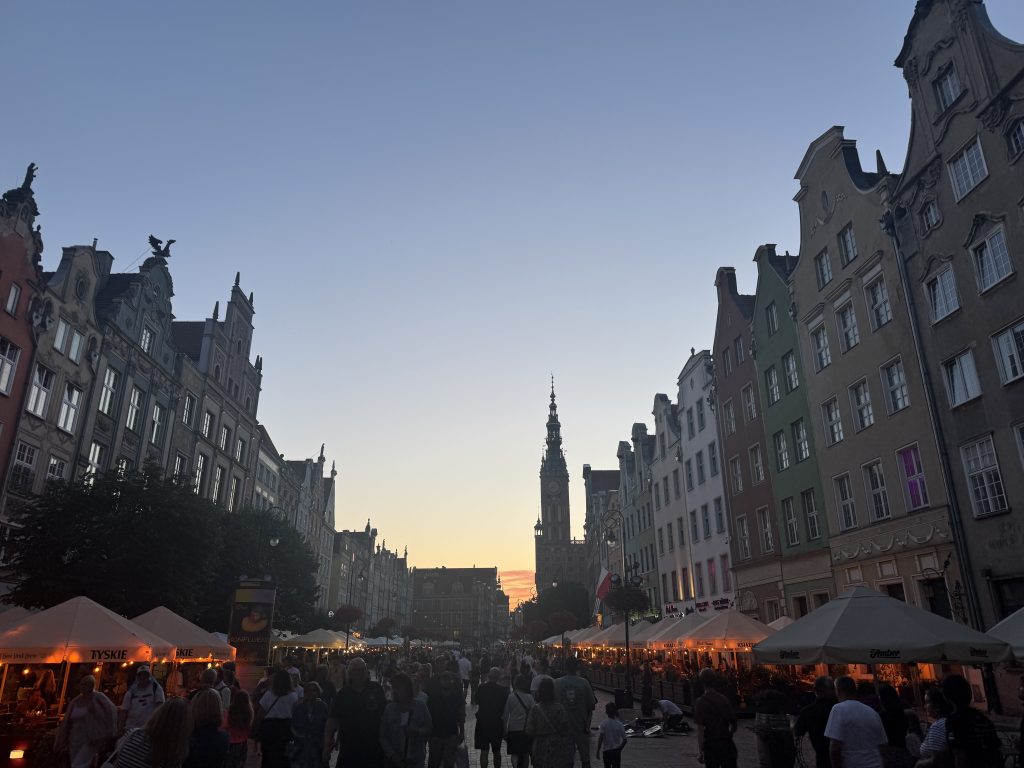
This is beating heart of historical Gdańsk. It runs down Długa Street and the Long Market (Długi Targ), lined with richly decorated burgher mansions, historic gates, and landmarks from the city’s Golden Age.
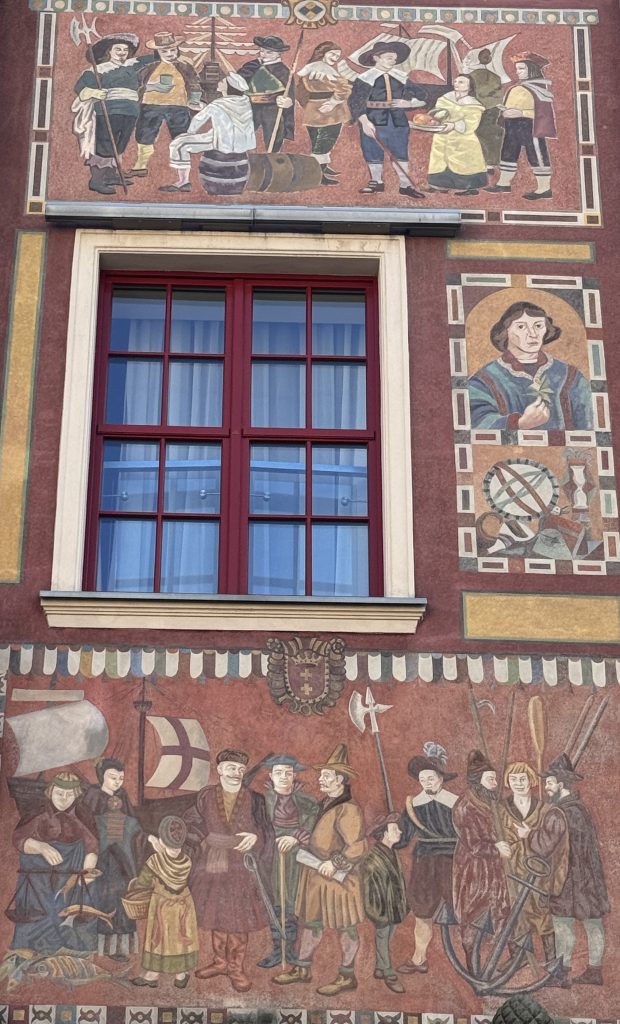
2. The Main Town Hall: This is a magnificent Gothic-Renaissance masterpiece housing the Gdańsk Museum. Pop inside to witness the breathtaking Red Hall or scale the tower for panoramic views.
3. St. Mary’s Church: One of the three largest brick churches in the world, this massive 15th-century Gothic basilica dominates the city skyline. It holds a famous 3-story astronomical clock and an observation deck atop its 82-meter tower
.
4. Neptune’s Fountain & Artus Court: Located in the center of the Long Market. The 17th-century bronze fountain stands as the ultimate symbol of the city’s maritime history, guarding Artus Court—the historic meeting place of wealthy merchants
5. The Museum of Gdańsk: Main Town Hall: Gdańsk does not have just one single museum, but rather several world-class cultural institutions scattered across the city center. The most visually stunning and historically significant museum spaces include the following branches:
Housed inside the iconic Main Town Hall, this historic branch captures the sheer wealth of Gdańsk’s golden age. Its grandest room, the Red Hall, features intensely detailed, gold-laden Renaissance ceilings and massive wooden fireplaces.
6. The Museum of Gdańsk: Artus Court
Located right next to Neptune’s Fountain, Artus Court served as the historic meeting manor for wealthy merchants and elite social fraternities. The sprawling Gothic hall is famous for its model ships hanging from the rib-vaulted ceiling and its towering, 10.6-meter-tall Renaissance tiled stove.
7. The Gdańsk Crane (Żuraw): This towering 15th-century brick-and-timber structure is Europe’s oldest surviving medieval port crane. Following an extensive multi-year restoration project, it features a completely modernized permanent exhibition detailing the grueling lives of historical dockworkers, merchants, and sail makers.
8. The Granaries on Ołowianka Island: Gdańsk’s maritime heritage is the historical backbone of the city, driven by its centuries-old role as a key Hanseatic League trading port on the Baltic Sea. The epicentre of this legacy is managed by the National Maritime Museum in Gdańsk, which splits its sprawling exhibitions across several interactive sites clustered directly along the Motława River waterfront Serving as the main headquarters of the museum, these beautifully reconstructed historic granaries house multi-floor galleries covering underwater archaeology, global trade history, and Polish naval warfare.
9. The Great Mill: Built by the Teutonic Knights in the 14th century along the Radunia Canal, this unique piece of industrial architecture features a distinctively steep, massive multi-storey roof. For centuries, it stood as one of the largest operational mills in Europe.
10. Medieval Water Gates: The city was heavily fortified, and streets leading directly to the Motława River terminate at grand brick water gates. Well-preserved 15th-century examples include St. Mary’s Gate(Brama Mariacka) and Chlebnicka Gate.
11. The Gatehouse Complex (Katownia & Prison Tower): Dating to the late 14th century, this Gothic structure served as part of the primary western defensive walls before being converted into a torture chamber and prison court.
12. St Catherine’s Church: Located in the Old Town, this is the city’s oldest parish church, with foundations dating back to the 1200s. It serves as a classic example of early Pomeranian Brick Gothic style.
13. Basilica of St. Bridget: Established in the late 14th century, it is famous for its historical link to the relics of St. Bridget of Sweden. In modern times, it became internationally known for its association with the Solidarity movement and houses a spectacular, towering amber altarpiece.
Destination: Poland