The Vaqueros: Mexican Cowboys
Mexican cowboys, known as vaqueros, are the original horse-mounted livestock herders descended from the Spanish tradition imported to Mexico.
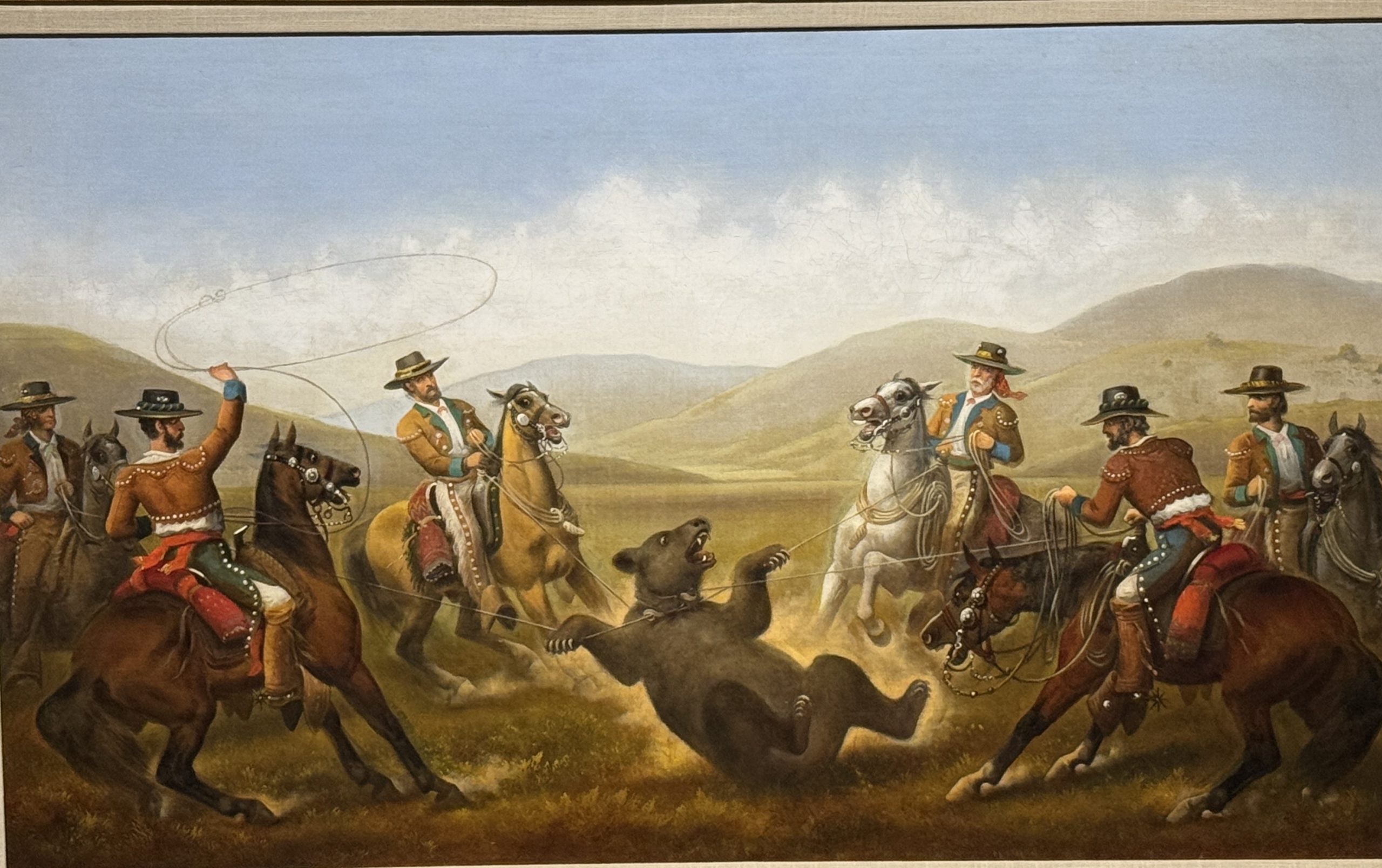
The vaqueros developed sophisticated skills in riding, roping, and herding that formed the foundation for the North American cowboy culture. It influenced everything from saddles and lassos to rodeo traditions. They were instrumental in early ranching in New Spain (Mexico) and the American Southwest, with their techniques spreading north and shaping Western horsemanship.
The tradition began with the Spanish in the Americas, with native Mexican peoples and Indigenous groups developing these skills under the Spanish mission system, creating the vaquero.Their skills were crucial for large ranches.Many iconic cowboy items, like the lasso, chaps (leather leg coverings), and the saddle horn (for dallying ropes), originated with the vaqueros.
As ranching expanded, vaqueros drove cattle north into Texas, New Mexico, and California, bringing their traditions with them.English-speaking settlers adopted vaquero methods, clothing, and horsemanship, merging them with their own to create the distinct American cowboy.
While vaqueros were laborers, caballeros were often the ranch owners (criollos), creating a class distinction. The charro, a more formal, stylish cowboy (and national police uniform), developed later in Mexico, especially in Jalisco, as a distinct cultural icon.
Destinations: Mexico, Texas, Arizona, New Mexico, California