
A Short History of Tex Mex Cuisine
Tex-Mex originated in Texas as a fusion of Mexican culinary traditions and American (specifically Texan) ranching culture. It was primarily created by Tejanos—Texans of Mexican descent—who adapted traditional recipes to use ingredients more readily available in the United States.
From the 1500s through to the 1700s, Spanish missions and settlers brought spices like cumin from the Canary Islands and introduced livestock like cattle and pigs to the region.
European influence shaped Tex-Mex long before it became a distinct cuisine, primarily through the Spanish colonization of the Americas.
Spaniards introduced cattle, pigs, and sheep to Texas, leading to staples like beef (fajitas) and lard (used in beans and tortillas).
The introduction of cows and goats brought cheese and sour cream, which are central to the Tex-Mex identity.
Spanish settlers brought wheat, which eventually led to the creation of the flour tortilla—a hallmark of Northern Mexico and Tex-Mex.
Cumin, now the “signature” scent of Tex-Mex, was brought by Spanish settlers from the Canary Islands (near the coast of Africa). In 1731, families from the Canary Islands settled in San Antonio. They brought heavy amounts of cumin, coriander, and garlic, which set the flavor profile of San Antonio’s “Chili Queens” apart from traditional Mexican cooking.
European methods of frying and braising combined with Indigenous ingredients (like corn and chiles) to create dishes like chili con carne.
Without European influence, we wouldn’t have the beef-heavy menus or the flour-based tacos and burritos that define the style today.
German and Czech immigrants in the 19th century profoundly influenced Tex-Mex, especially in Central Texas. They brought meat-processing skills and brewing techniques that are now fundamental to the Texas food scene.
German immigrants established the major Texas breweries. This led to the popularity of Mexican Lagers (like Shiner, Dos Equis, and Modelo), which are based on German/Austrian Vienna-style lager recipes.
German butchers introduced advanced sausage-making. This eventually led to “Texas Hot Links” and the inclusion of kielbasa or smoked sausage as common side items or protein options in Tejano cooking.
Many early Tex-Mex “restaurants” were actually German meat markets where people could buy cooked meats. This influenced the communal, butcher-paper style of serving grilled meats like fajitas.
The German “Schnitzel” (breaded and fried veal/pork) is the direct ancestor of Chicken Fried Steak, which is a staple on many Tex-Mex restaurant menus today.
While the Spanish introduced wheat, German and Czech milling technology in the 1800s made fine white flour more accessible, helping the flour tortilla become the regional standard.
In the late 1800s, the cuisine began to take its modern form in San Antonio, largely popularized by the “Chili Queens”—women who sold bowls of chili con carne in city plazas.
The Texas Mexican Railway, established in 1875, was abbreviated as “Tex-Mex” in schedules. This moniker eventually shifted from describing the train to describing the people and, later, the food.
Ingredients like cheddar cheese, ground beef, and wheat flour became staples as they were cheaper and easier to find in American grocery stores than traditional Mexican ingredients.
Surprisingly, “Tex-Mex” was not used to describe food until the 1960s. Before then, it was simply referred to as “Mexican food”.
The term was officially popularized as a culinary category by cookbook author Diana Kennedy in her 1972 book, The Cuisines of Mexico. She used it to distinguish “authentic” Mexican cooking from the “Americanized” versions found in Texas, inadvertently giving the cuisine its own distinct identity.
The first “combo plate”—a staple of Tex-Mex restaurants featuring rice and refried beans on the side—appeared in Texasaround 1900.
Tex Mex Today
Tex-Mex cuisine is a flavorful blend of Texan and Mexican culinary traditions, characterized by heavy use of shredded yellow cheese, beef, pork, cumin, and flour tortillas.
Iconic, often comfort-food dishes include fajitas, enchiladas with chili gravy, nachos, queso dip, tamales, and crispy tacos.
Key Components & Dishes
Essential Ingredients: Yellow cheese (cheddar), ground beef, beans, wheat flour tortillas, cumin, and canned chiles.
Iconic Dishes:
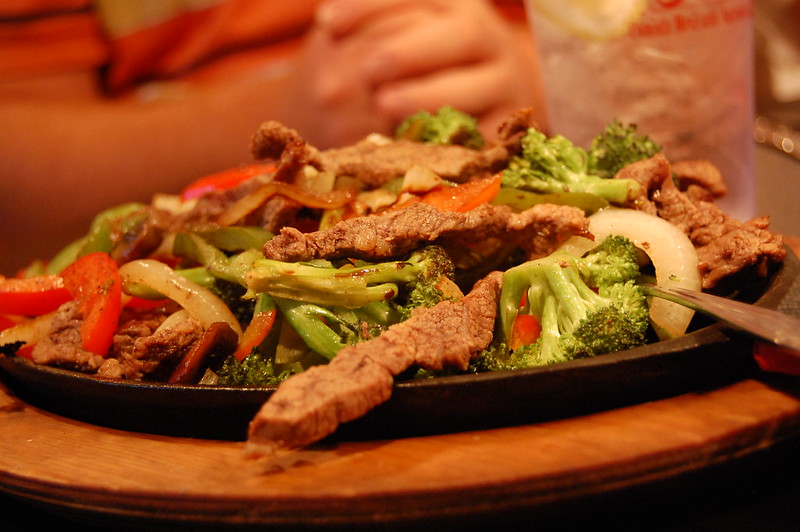
Fajitas: Grilled skirt steak or chicken, often served on a sizzling platter.
Enchiladas: Corn tortillas filled with cheese or meat, typically covered in chili gravy.
Queso & Nachos: Melted cheese dip (queso) and tortilla chips topped with cheese, beans, or meat.
Carne Guisada: A thick, savory beef stew.
Crispy Tacos/Puffy Tacos: Ground beef in hard shells.
Chili con Carne: A spicy beef stew.
Tex-Mex vs. Mexican: Unlike traditional Mexican food, which uses fresh cheese, corn tortillas, and varied spices, Tex-Mex focuses on cheddar, cumin, and wheat flour.
Popular Additions: Refried beans, rice, and sour cream are standard side dishes.
Commonly Used Ingredients in Tex-Mex:
Meats: Ground beef, shredded chicken, skirt steak, pork.
Cheeses: Shredded yellow cheddar, Monterey Jack.
Tortillas: Primarily flour, but also crunchy corn shells.
Sauces: Chili gravy, queso, sour cream sauce.