The Epic Journey and Death of a Noble French Explorer
Although Álvarez de Pineda had claimed the area that is now Texas for Spain, the area was essentially ignored for over 160 years.
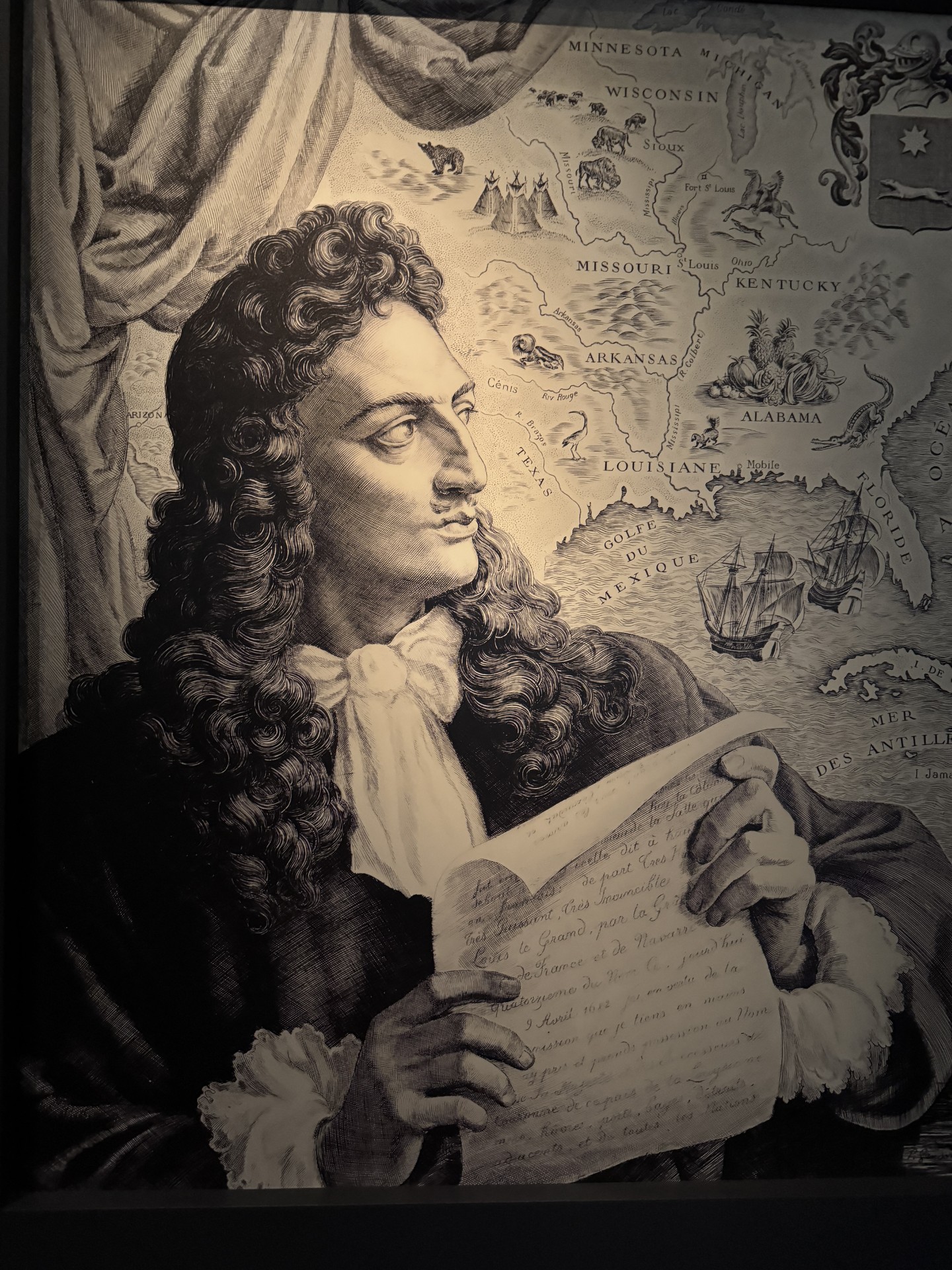
Its initial settlement by Europeans occurred by accident. In April 1682, French nobleman René-Robert Cavelier, Sieur de La Salle had claimed the entire Mississippi River Valley for France. after sailing down and exploring the Mississippi River from New France (modern Canada) and the Great Lakes.
The following year, he convinced King Louis XIV to establish a colony near the Mississippi, essentially splitting Spanish Florida from New Spain.
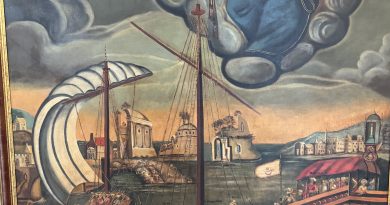
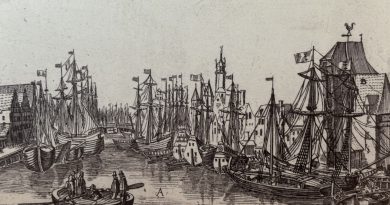
La Salle’s colonization expedition left France on July 24, 1684, and soon lost one of its supply ships to Spanish privateers.A combination of inaccurate maps, La Salle’s previous miscalculation of the latitude of the mouth of the Mississippi River, and overcorrecting for the Gulf currents led the ships to be unable to find the Mississippi.Instead, they landed at Matagorda Bay in early 1685, 400 miles (644 km) west of the Mississippi.[24] In February, the colonists constructed Fort Saint Louis. He planted this early French presence at Fort Saint Louis along the Gulf of Mexico coast (near modern Inez, Texas), even before the establishment of New Orleans.
After the fort was constructed, one of the ships returned to France, and the other two were soon destroyed in storms, stranding the settlers. La Salle and his party searched overland for the Mississippi River, traveling as far west as the Rio Grande[and as far east as the Trinity River.Disease and hardship laid waste to the colony, and by early January 1687, fewer than 45 people remained. That month, a third expedition launched a final attempt to find the Mississippi.
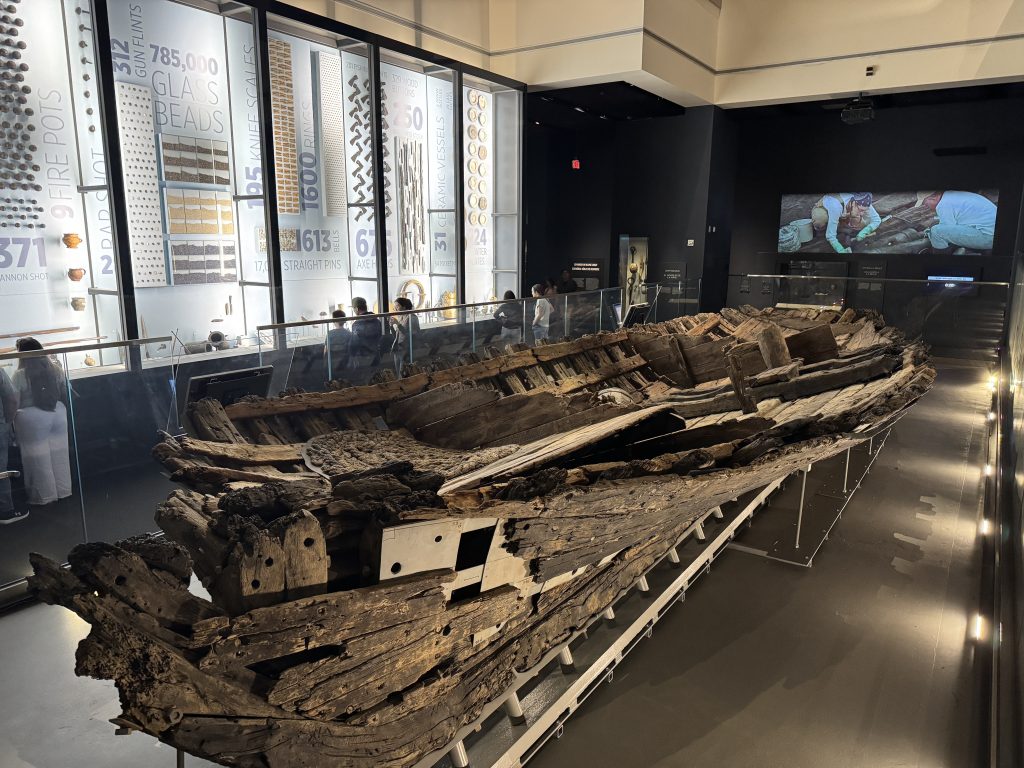
La Salle led a group eastward on foot on three occasions to try to locate the mouth of the Mississippi. In the meantime, the flagship La Belle, the only remaining ship, ran aground and sank into the mud, stranding the colony on the Texas coast
Some of his men mutinied, near the site of present-day Navasota, Texas
On March 19, 1687, La Salle was slain by Pierre Duhaut during an ambush while talking to Duhaut’s decoy, Jean L’Archevêque. One source states that Duhaut was a “disenchanted follower”. Duhaut was shot and killed by James Hiems to avenge La Salle. Over the following week, others were killed; confusion followed as to who killed whom.
The colony lasted only until 1688, when Karankawa-speaking Natives killed the 20 remaining adults and took five children as captives. Tonti sent a search mission in 1689 when he learned of the colonizers’ fate, but the expedition ran out of supplies in northern Texas and failed to reach the site.
It is now known that there were 15 survivors of the original 180 colonists at the fort, most of whom had accompanied La Salle on his final eastward trek to locate the mouth of the Colbert (Mississippi) River and escaped the massacre: five children kidnapped by Native Americans at the settlement and later rescued by the Spanish, and 10 other adults, who lived for a while among the Native Americans and were later captured and released by the Spanish.
Six found their way to Canada and eventually returned to France. Three others were refused passage by the Spanish; an Italian was imprisoned. For as long as 30 years after the demise of the colony, there were specious accounts of survivors still living among the Native Americans in Texas.
La Sallie’s exploits not only set up a long standing French Spanish rivalry in the Americas but led to Spain re doubling its efforts to colonise and lay claim ti Texas and other states in the south west of the United States .
Destinations: France / Deep South / Texas
Watch: Empire Builders: America