
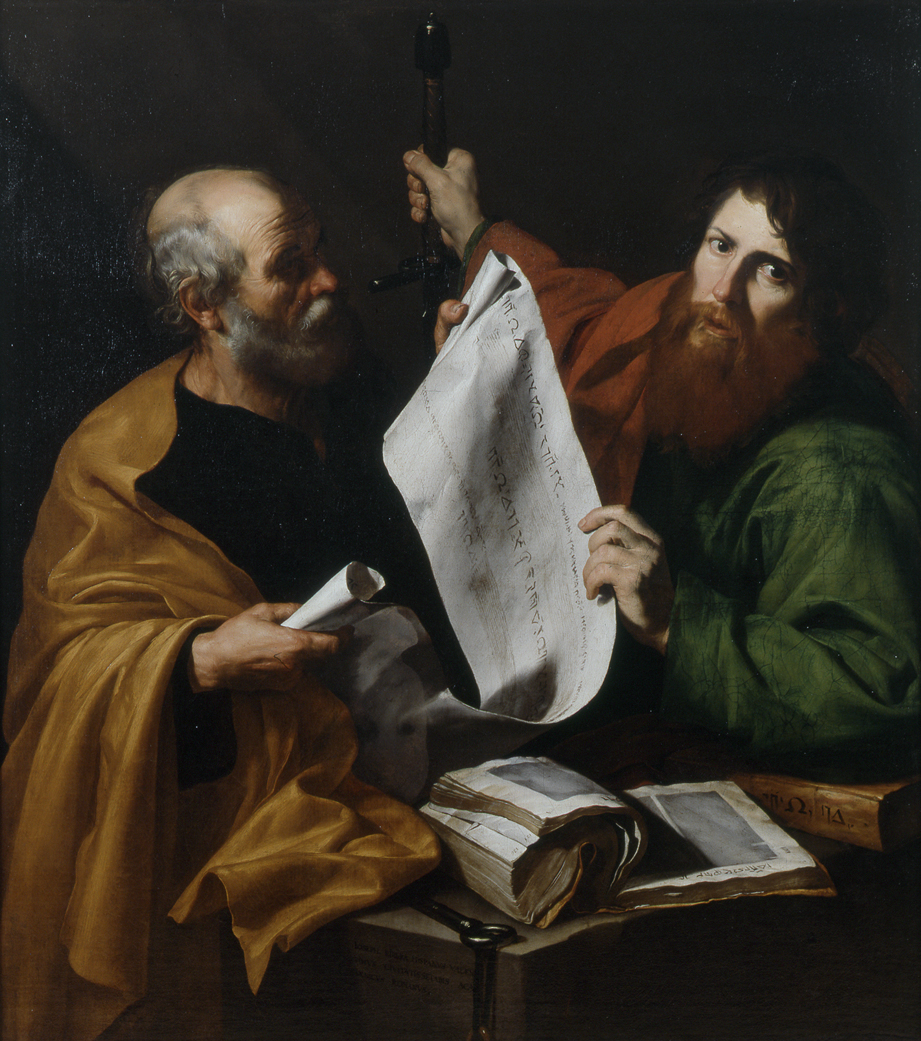
The Executions of St Peter and St Paul
The Christian Apostles Peter and Paul both met gruesome deaths in Rome at the hands of Emperor Nero in the first century AD
According to ancient Christian tradition, Saint Peter and Saint Paul were both martyred under orders from Nero
Their deaths occurred between 64 AD and 67 AD, following the Great Fire of Rome, an event that Nero famously blamed on the city’s growing Christian population.
He used the city’s growing Christian minority as scapegoats to divert public suspicion away from himself. This sparked a brutal wave of anti-Christian persecutions, during which both apostles were swept up, arrested, and ultimately condemned to death.
While Saints Peter and Paul both ended up in Rome to anchor and expand the early Christian movement, they arrived under very different circumstances and served distinct operational roles.
Saint Peter acted as the primary leader and pastoral shepherd of the local Roman flock, while Saint Paul arrived as a legal prisoner who used his house arrest to preach and write influential theological treatises.
Their specific activities in the imperial capital highlight why they are traditionally celebrated together as the dual “founders” of Christian Rome.
Because the New Testament (specifically the Book of Acts) ends before Peter’s arrival in Rome, his activities are primarily reconstructed through early Church historians like Clement of Rome and Eusebius.
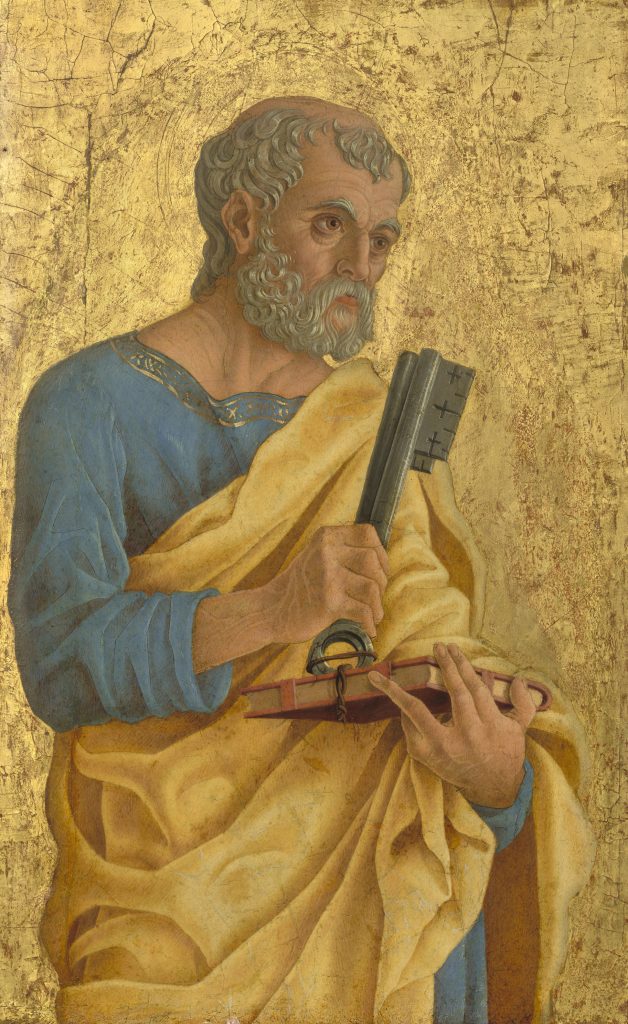
Peter is historically recognized as the first Bishop of Rome (the first Pope). He provided centralized spiritual authority to a rapidly growing, fragmented community of Jewish and Gentile believers.
He actively preached the Gospel throughout the city’s residential quarters. Tradition states he converted and baptized large numbers of Romans, including Roman soldiers, commoners, and even members of the imperial elite.
Paul did not choose his arrival date; he was brought to Rome in chains. After being arrested in Jerusalem, he used his right as a Roman citizen to appeal his case directly to Emperor Nero.
While waiting for his trial, Paul was granted a form of relaxed custody. He rented a private lodging where he was allowed to receive visitors. For two full years, he preached the “Kingdom of God” to anyone who walked through his door, including local Jewish leaders and Roman guards.
Paul utilized his confinement to write monumental letters that shaped Christian theology forever. While restricted to Rome, he authored the biblical epistles to the Ephesians, Philippians, Colossians, and Philemon.
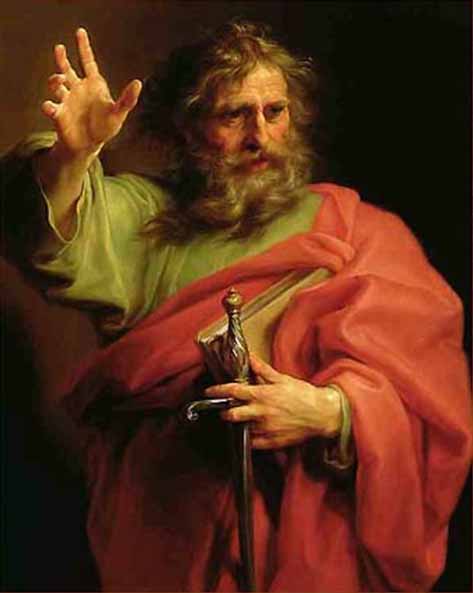
Paul viewed Rome as a geographic trampoline. His ultimate administrative goal was to secure the financial and spiritual backing of the Roman church so he could launch the first Christian missions into Spain.
Because of their differing legal statuses within the Roman Empire, they were executed using entirely different methods:
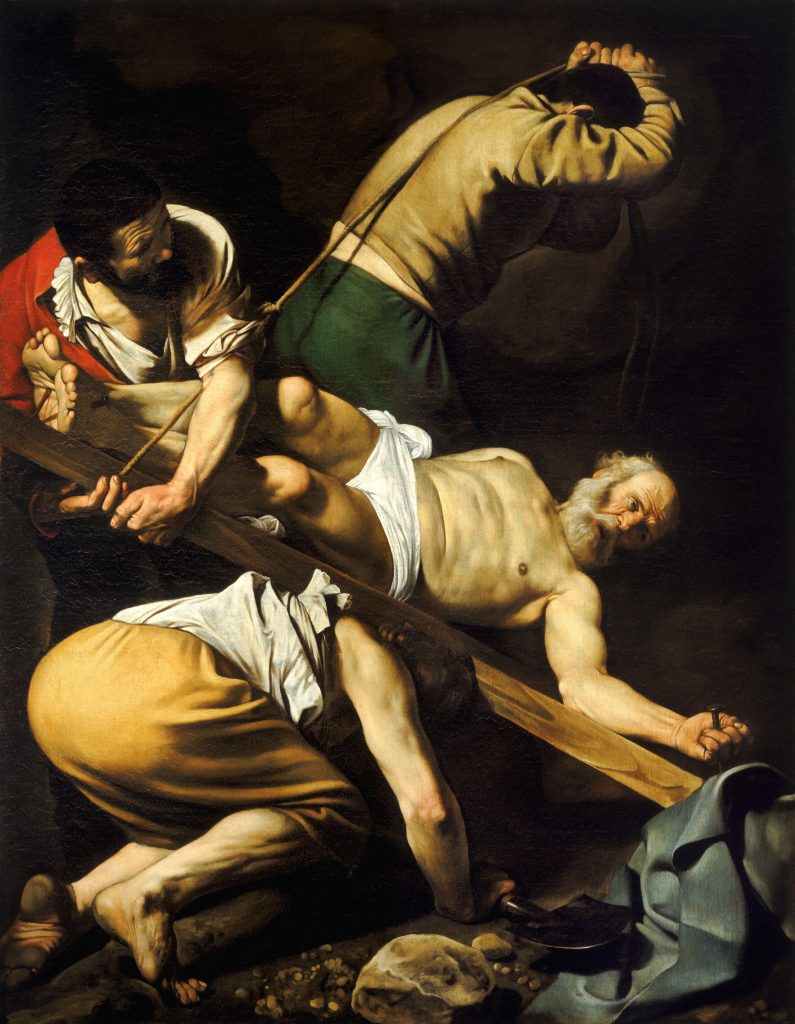
Peter was sentenced to death by crucifixion. According to early Church historians like Origen and Eusebius, Peter specifically requested to be crucified upside down.
He declared that he was entirely unworthy to die in the same manner as Jesus Christ.
The execution took place at Nero’s Circus on the Vatican Hill. Today, St. Peter’s Basilica stands directly over the ancient cemetery where he was buried.
The most famous artwork depicting the event is “Crucifixion of Saint Peter” ,a painting by the Italian Baroque master Michelangelo Merisi da Caravaggio, painted in 1601 for the Cerasi Chapel of Santa Maria del Popolo in Rome, where it still hangs today
Paul was executed by beheading with a sword.
Unlike Peter, Paul was a privileged Roman citizen. Under Roman law, citizens were legally exempt from torturous, agonizing executions like crucifixion. Beheading was considered a much swifter, more honorable, and “merciful” death sentence.
He was killed just outside the city walls at a site called Aquae Salviae. Church tradition holds that his head bounced three times upon being struck, miraculously causing three distinct springs to flow. The Church of Saint Paul at the Three Fountains (Tre Fontane) marks this exact spot today.
The Roman historian Tacitus noted that Christians were already “hated for their shameful practices” and general non-conformity to Roman pagan state religion.
Because the public viewed Christians as subversive and anti-social (often accused of “hatred of the human race”), the Roman populace largely welcomed or tolerated their mass arrest and brutal executions in imperial arenas.
Nero did not require votes or consensus from the Roman Senate to execute Peter and Paul; he operated within the established Roman legal system.
As a Roman citizen, Paul’s execution by beheading was a formal capital punishment reserved for citizens convicted of subversion or treason.
As a non-citizen from Judea, Peter had far fewer legal protections. His execution by crucifixion was the standard, degrading Roman punishment for foreign rebels and lower-class criminals.
Destination: Europe, North Africa and the Middle East