The Lycian Way
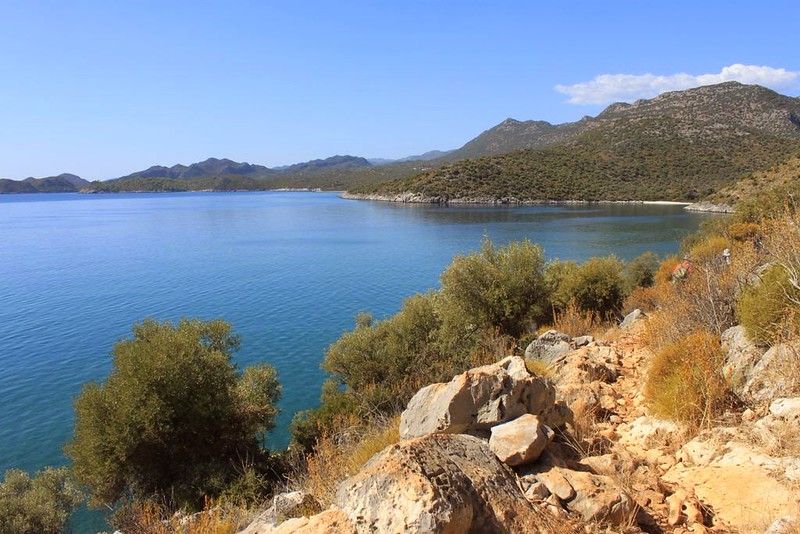
The Lycian Way is a ~540km (335-mile) marked long-distance trail in Turkey, running along the Mediterranean coast from Fethiye to Antalya.
Opened in 1999, it links ancient Roman roads, old footpaths, and mule trails, featuring dramatic coastal scenery, ruins, and mountain views. It generally takes around 29–35 days to complete, with many hikers doing shorter 3–7 day segments
The trail moderate to hard and has significant ascents and descents rather than being a level coastal walk. The best time to hike is Spring (March–May) or Autumn (September–November). Summer is extremely hot.
Lycia is the historical name of the Tekke Peninsula, which juts into the Mediterranean on Turkey’s southern coast. The mountains rise steeply from the rocky coast, giving beautiful views and varied walking. Forestry predominates; pines are mixed with strawberry trees and carob, and give way to juniper and cedar at higher elevations. Along with coastal tourism, high-intensity agriculture is crowded onto the deltas.
The Lycians were a democratic but independent, warlike people, with a developed art style and a high standard of living. Their strategic position gave them unique opportunities for sea-trade and (at times) for piracy. After Persian rule, the Lycians welcomed Alexander the Great and absorbed Greek culture.
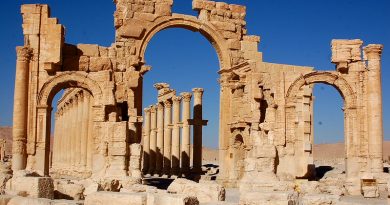
Later, Lycia became a province of the Roman Empire. The Romans developed many cities and ports, linking them with paved roads and equipping them with theatres, baths, forums, temples and ceremonial gates. From the 4th Century, Christianity took hold and, as the Roman empire crumbled, many Byzantine monasteries were founded in the Lycian hills. Lycian graves and ruins abound on the peninsula and the Lycian Way passes about 25 remote historical sites.
Places of interest along the trail include: Ölüdeniz, Butterfly Valley, Faralya, Kabak Bay, Cennet Bay, Korsan Bay, Letoon (historical capital of the Lycian region, a UNESCO World Heritage Site in Seydikemer), Sidyma, Bel, Gavurağılı, Letoon, Kınık (Xanthos), Akbel, Gelemiş village and ruins of Patara (the Lycian capital), Kalkan, Sarıbelen, Gökçeören, Kaş (Antiphellos), Üçağız, Kale, Demre (Myra), Kumluca, Belören, Zeytin and Alakilise, İncegeriş Hill , Belos, Finike, Kumluca, Mavikent, Karaöz, the lighthouse of Cape Gelidonya (the southernmost point of Lycia), Adrasan, Olympos, Çıralı and Yanartaş (Chimaera).
The ancient cities Pydnae, Apelia, Telmessos, Idyros, Antiphellus, Apollonia, and Simena can be found between Xanthos and Patara.
Destination: Turkey