The Rock of Gibraltar: A Short History
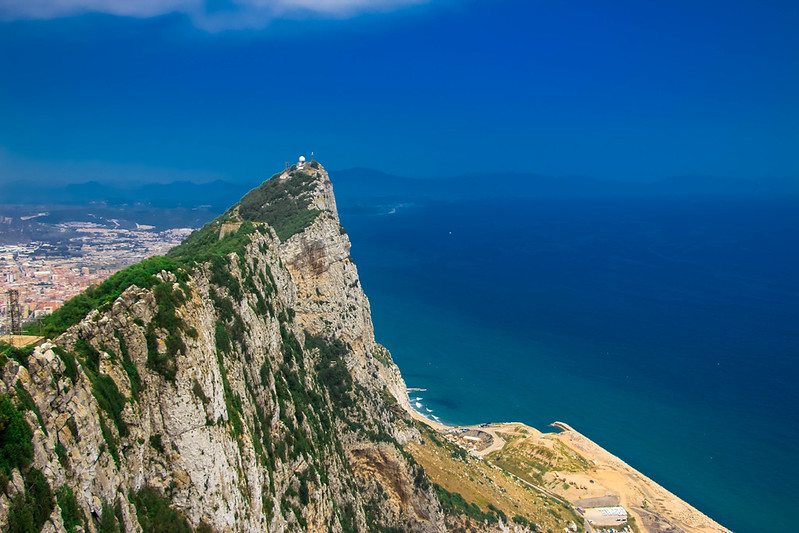
Gibraltar’s history is defined by its strategic position at the entrance to the Mediterranean Sea, turning this 6.8-square-kilometer rock into one of the most fought-over pieces of land in the world.
Gorham’s Cave on the rock was one of the very last known outposts inhabited by Neanderthals in Europe.
Ancient mariners such as the Phoenicians and Romsns utilized the rock as a sacred site. They named it Calpe, one of the two legendary Pillars of Hercules marking the edge of the known world.
711–1462: Moorish Rule
In 711 AD, the Umayyad commander, Tariq Ibn- Ziyad landed here to launch the Islamic conquest of Hispania.
The rock was renamed Jabal Ṭāriq (Mount of Tariq), which later evolved phonetically into the word “Gibraltar.”
A massive fortification was erected, parts of which still stand today. Control shifted between Muslim dynasties and the Kingdom of Castile multiple times throughout the 700 year occupation of the Iberian Peninsula by the Moslem Moors of North Africa
1462–1704: Spanish Sovereignty
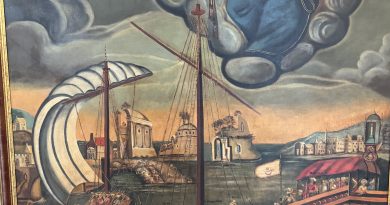
During the Reconquista The Duke of Medina Sidonia captured Gibraltar for Spain in 1462. Queen Isabella I annexed Gibraltar to the Spanish Crown in 1501, establishing its coat of arms (a castle and key) which the territory still uses today.
1704–Present: British Rule & Sieges
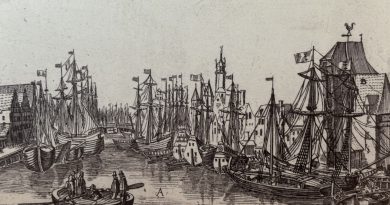
*The Capture (1704): During the War of the Spanish Succession, an Anglo-Dutch fleet captured the rock.
*In the Treaty of Utrecht in 1713 Spain formally ceded Gibraltar to Great Britain “in perpetuity” to secure peace.
*The Great Siege (1779–1783): Spain and France launched a massive four-year siege to recapture it during the American Revolutionary War. British forces survived by tunneling directly into the solid rock to deploy hidden artillery.
*World War 2: Britain evacuated the civilian population and carved 30 miles of tunnels inside the rock to serve as a secure underground fortress for Allied Mediterranean operations.
Modern Era & Sovereignty Disputes
*Border Closure (1969–1985): Spanish dictator Francisco Franco completely closed the land border in anger over Gibraltar’s self-determination movements. It remained closed until well after his death.
*Referendums (1967 & 2002): Citizens voted almost unanimously (over 99%) to reject shared sovereignty with Spain and remain a British Overseas Territory.
*Post-Brexit Status: Following the UK’s departure from the European Union, temporary border controls were put in place while special treaty negotiations continued regarding Gibraltar’s status inside the EU Schengen Zone.