Mexican Beer: The German Connection
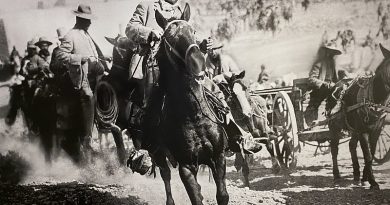
Mexican beer as we know it today was fundamentally shaped by German and Austrian immigrants who arrived in tje country in the mid-to-late 19th century. They introduced the Vienna Lager—a style that has largely disappeared in Europe but remains a cornerstone of the Mexican beer industry.
In the 1860s, Emperor Maximilian the 1st , an Austrian-born emperor brought his own court brewers to Mexico, who introduced the toasty, amber-hued Vienna lager style.
A Swiss-born brewer in Toluca was the first to successfully brew large-scale lagers using imported German equipment and refrigeration.Then a German immigrant founded the Moctezuma Brewery in 1890 and created Siglo XX (now Dos Equis) to celebrate the upcoming 20th century.
A number of key Mexican beer brands today have Germanic RootsSeveral major brands are direct descendants of these European brewing traditions.
Modelo is considered the best-surviving example of a Munich Dunkel or dark Vienna lager.Dos Equis Ambar, created by German brewer Wilhelm Hasse, remains a classic amber Vienna-style lager.
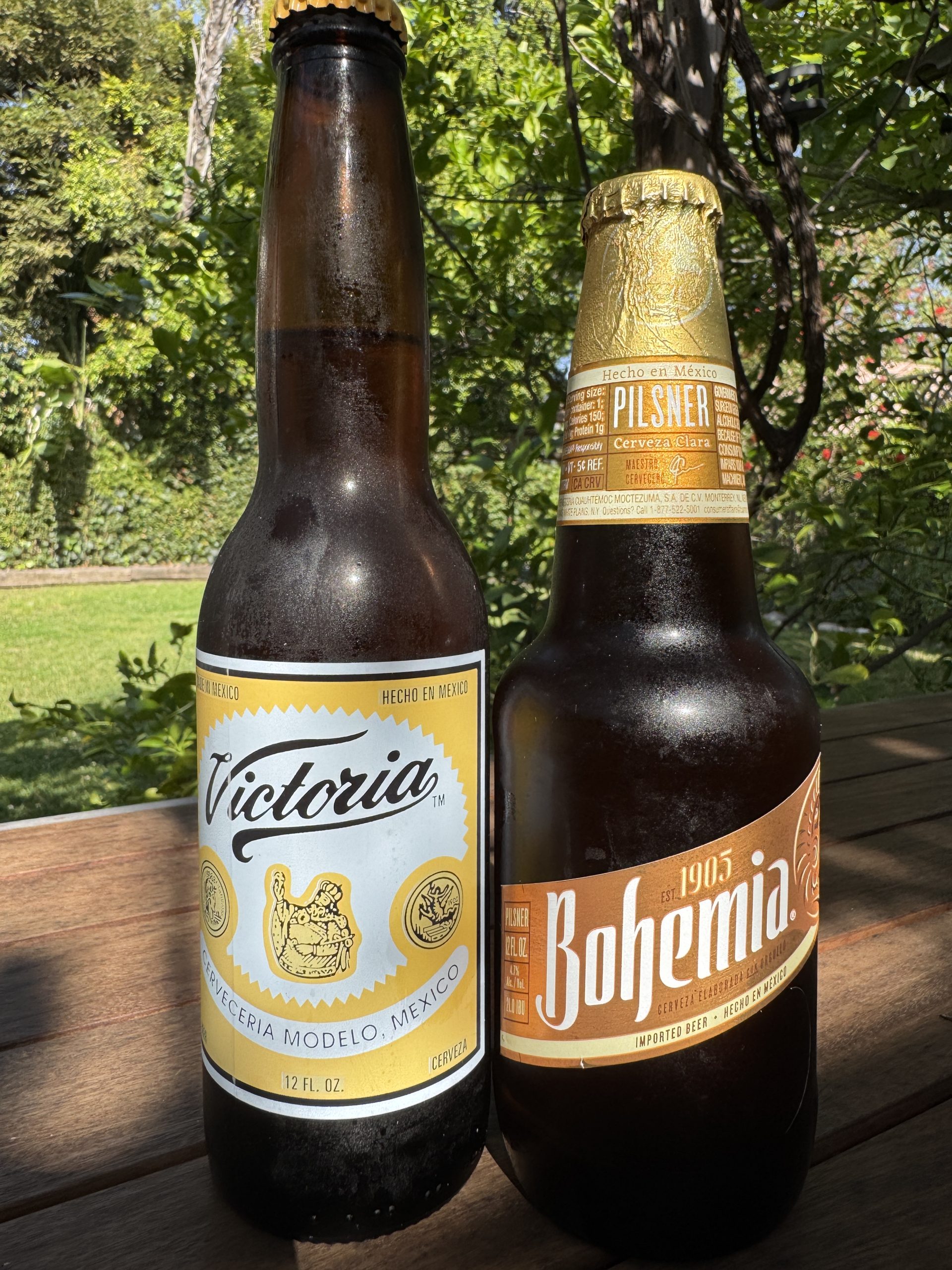
Bohemia is a premium pilsner-style beer that still uses German Noble hops and traditional brewing methods.And Victoria, one of Mexico’s oldest brands, evolved from an ale to a Vienna-style lager under the influence of Germanic brewing techniques.
While the techniques were German, Mexican brewers adapted the recipes to the local environment.Brewers began adding flaked maize to the mash to lighten the body and make the beer more refreshing in Mexico’s hot climate.And other brewers like Santiago Graf adjusted for Mexico’s alkaline water to soften the sharpness of dark malts.