The Battle of Culloden: Bonnie Prince Charlie and the end of the Jacobite Revolution
Since the 1630s civil war had been a constant fear as Scotland, Ireland and England struggled to find a way to live and prosper together.
But by 1688 the political and religious divisions were so deep that the Catholic King, James Stuart, fled to France. The Protestant William of Orange and his wife Mary were invited to rule in his place. In the constitutional upheaval Presbyterianism became the state religion in Scotland, ousting the Episcopal Church and threatening its supremacy in England.
Scotland faced an uncertain future. Under pressure its parliament accepted the 1707 Act of Union. Three issues now divided Britain: the Union, the restoration of the Stuarts and which form of Protestantism would dominate in Scotland. The Stuarts were Catholics and had ruled in Scotland for more than 300 years few.
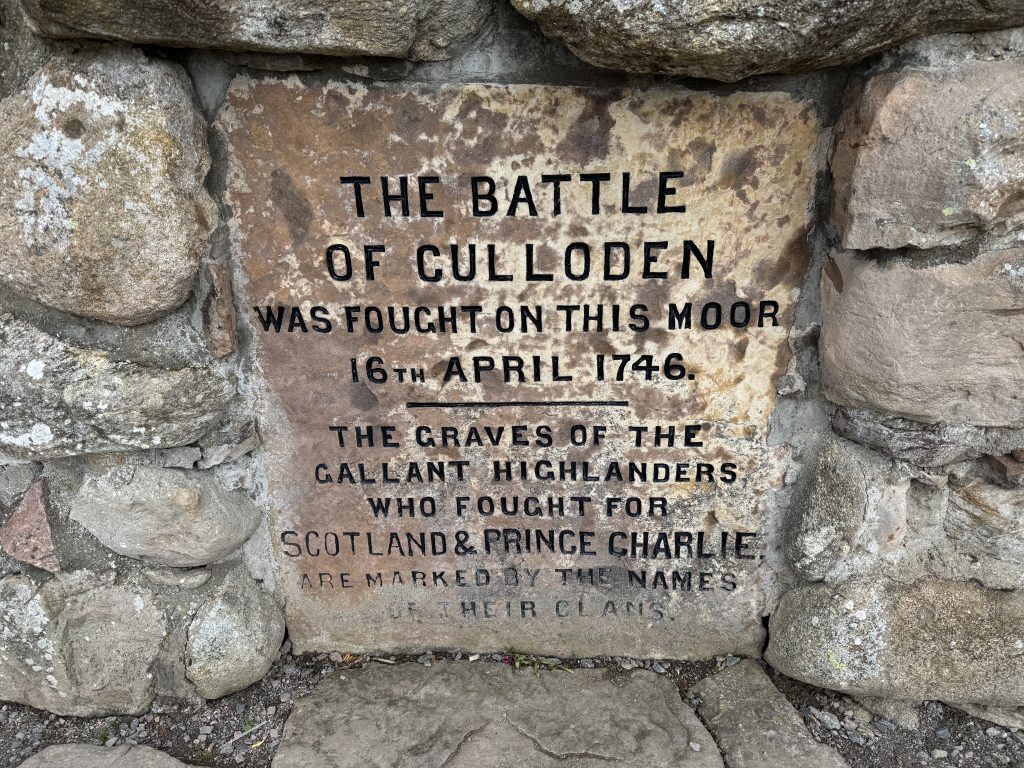
It was on a waterlogged moor outside Inverness that the course of British, European and world history was changed on 16 April 1746. This was to be the last full scale battle to be fought on British soil.
It was here at Culloden that the Jacobite army fought to reclaim the throne of Britain from the Hanoverians for a Catholic Stuart king. The British army was equally determined to stop this happening. The ferocious European war had come to Scotland – dividing families and setting clan against clan.

* Bonnie Prince Charlie
The rebellion was led Bonnie Prince Charlie who was born Charles Edward Stuart. He became to be known as “The Young Pretender”. He remains one of the most famous and romanticised figures in Scottish history.
Born in Rome in 1720, Charles was the grandson of King James II (and VII of Scotland). James II was a Roman Catholic monarch who had been deposed in 1688 and replaced by the Protestant William of Orange.
Supporters of the exiled Stuart family were called Jacobites (derived from Jacobus, the Latin name for James). They believed the Stuart bloodline held the divine, rightful claim to the thrones of England, Scotland, and Ireland.
Bonnie Prince Charlie earned the moniker “Bonnie” due to contemporary accounts of his youthful good looks, charm, and infectious confidence.
The Prince was becoming frustrated about the progress of plans for the Stuart’ Dynasty, with the support of Catholic France , to reclaim the British throne.. There was no further talk of large-scale invasions of Britain from France and he was losing faith in the French leadership. So, early in 1745, he decided to make a move on his own.
In a bold gamble, he financed and assembled a secret armed expedition. He was assisted by exiled Jacobite bankers and Franco-Irish shipowners, rich from the profits of the slave trade and wartime piracy.
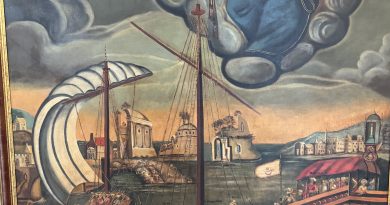
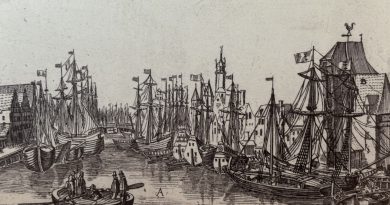
On 5 July two ships set sail, the frigate Du Teillay and the larger man-of-war Elisabeth. The ships were loaded with artillery, guns, swords, cash and Jacobite volunteers. Their destination: the as Scottish Highlands.
Raised in Italy as a king-in-waiting, Charles landed in the Outer Hebrides in July 1745 with only a handful of companions.
By rallying powerful Scottish Highland clan chiefs, he raised a rebel army.
The Jacobite army captured Edinburgh and won a legendary victory against government forces at the Battle of Prestonpans in September 1745. Charles then marched his army south into England, reaching as far as Derby. He was then only six days march from London and planned to take the capital.
But fearing they were now outnumbered and lacking promised French military support, his generals persuaded a reluctant Charles to retreat back to Scotland.
After a series of setbacks pushed them back into Scotland proper the Jakobites decided to mount s final defence in the Northern Highlands at Culloden in April 1746.
* The Battle of Culloden
Thousands died on the battlefield with tartaned Scottish warriors from highland clans incurring the most casualties.
The Jacobites equipped with swords and pistols, mounted a traditional Scottish warrior charge and were cut down by the superior Government forces armed with muskets.
An estimated 1500 perished in just two hours of battle after viscous hand to hand fighting.
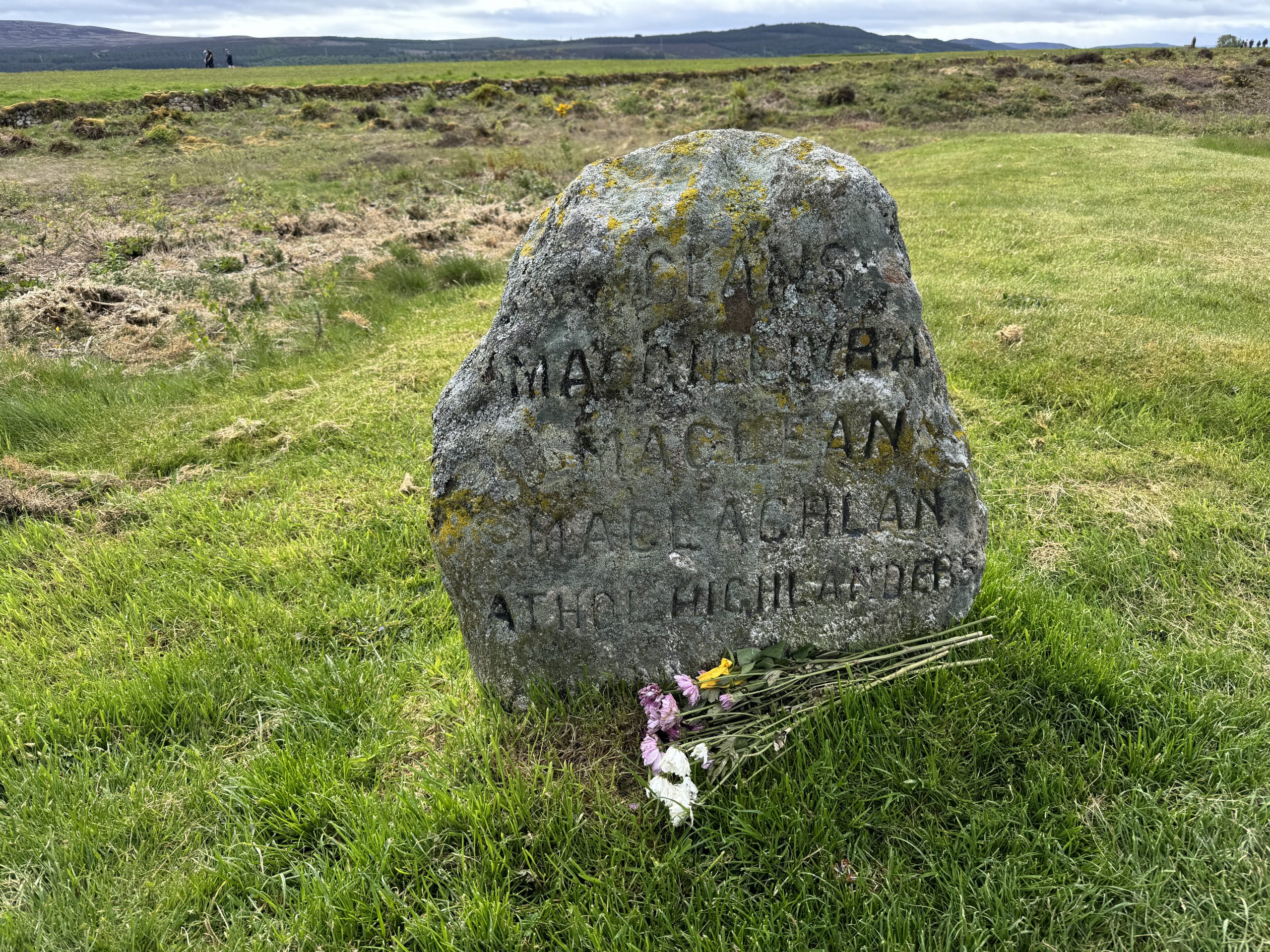
On the site of the battlefield today the bodies still lie buried in mass graves now marked by cairns identifying the clans from which they came.
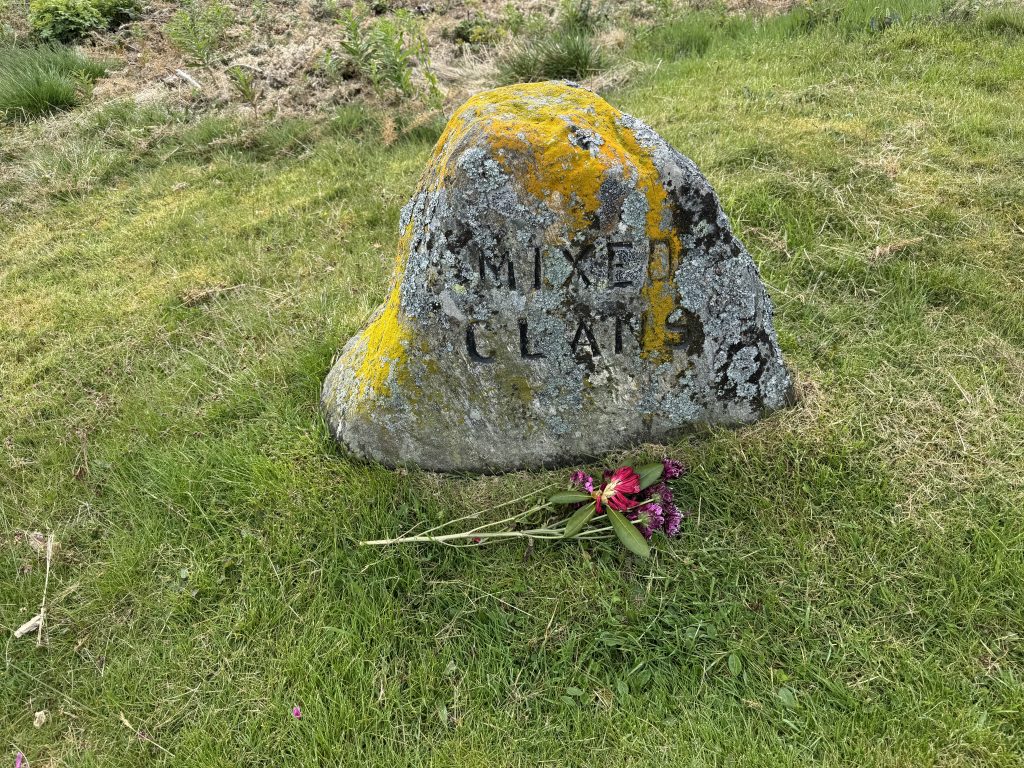
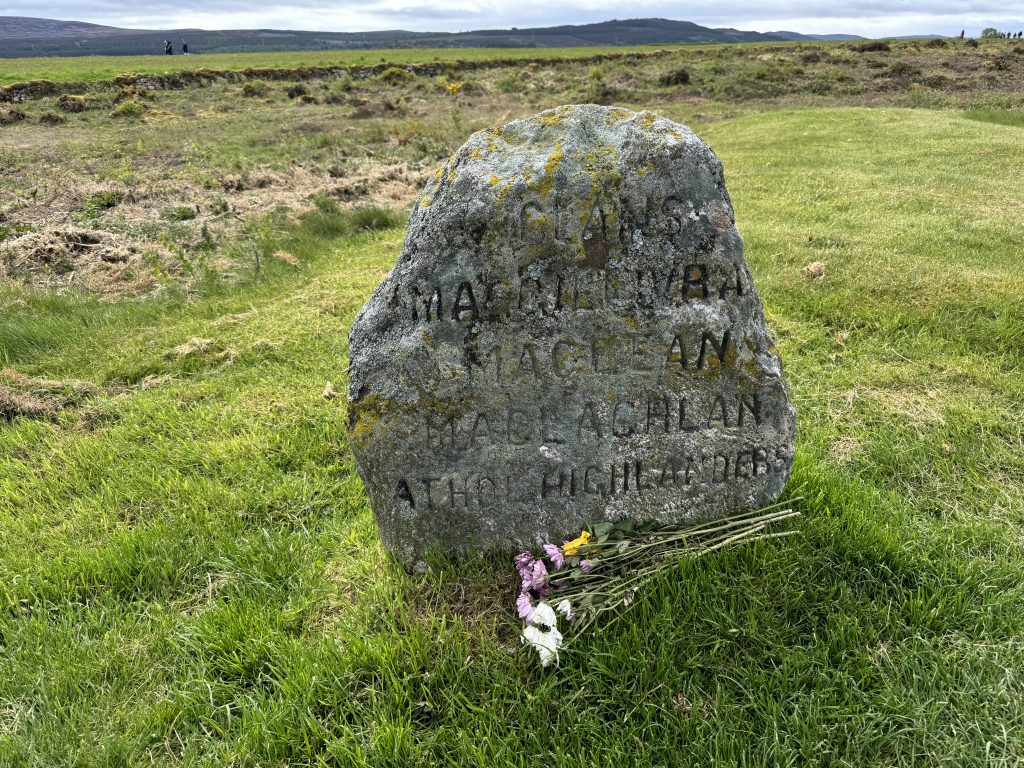
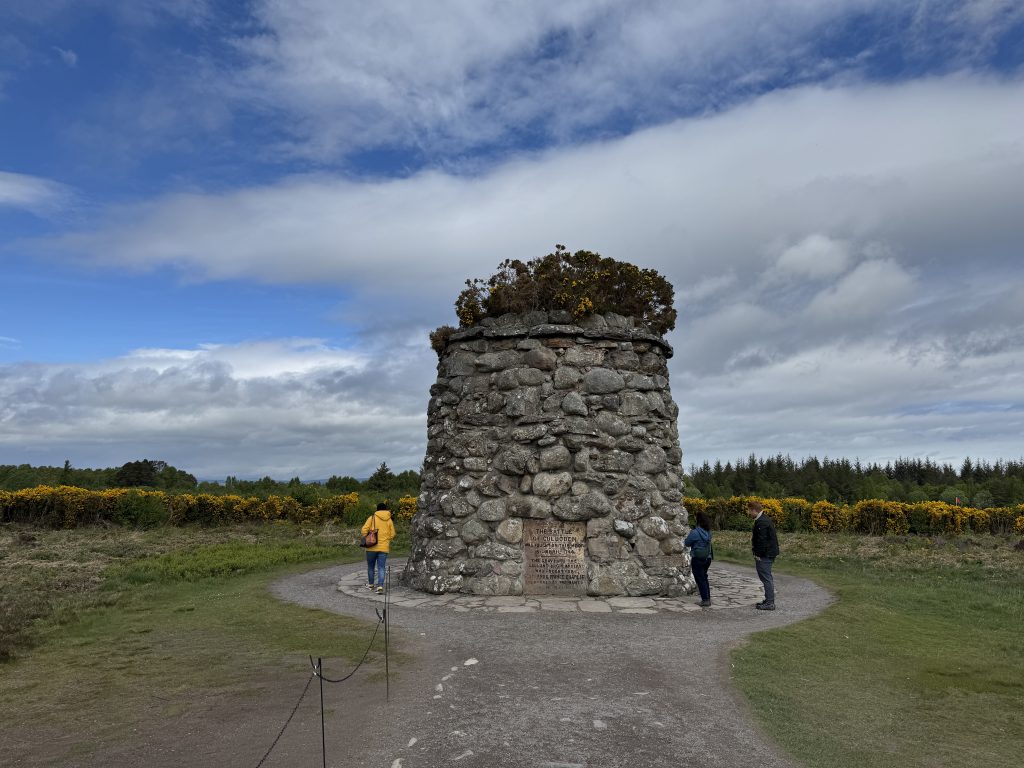
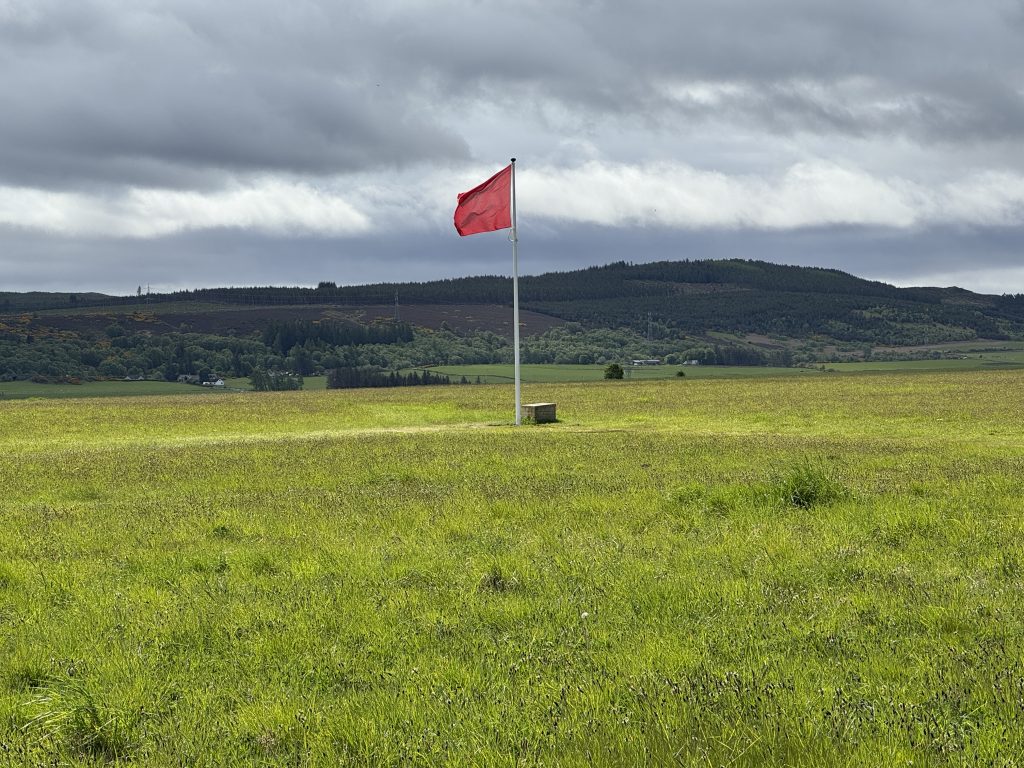
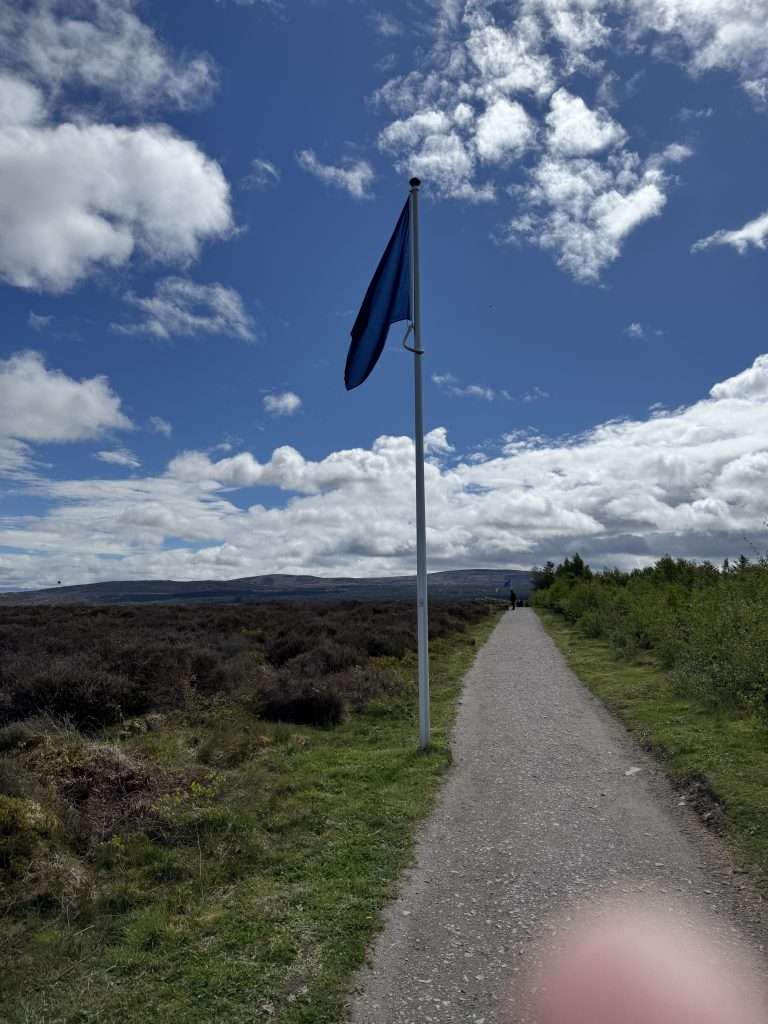
The dead were buried where they fell. The battlefield today also marks out the front lines of the two armies before the Scottish charge – red flags identify the Government forces and blue for the Jacobites.
* Aftermath of the Battle
In the weeks months and years after the battle Government forces hunted down Jacobite sympathisers among Scotland’s population.
Many were imprisoned and executed.
Charles , who was blamed for insisting that his starved and hungry army engage the Government forces at Culloden, became a hunted fugitive with a massive £30,000 bounty on his head. He spent five months hiding in the wild Highlands and Islands.
He famously escaped capture with the help of a young woman named Flora MacDonald, who smuggled him “over the sea to Skye” by dressing the Prince up as her Irish maid, “Betty Burke”.
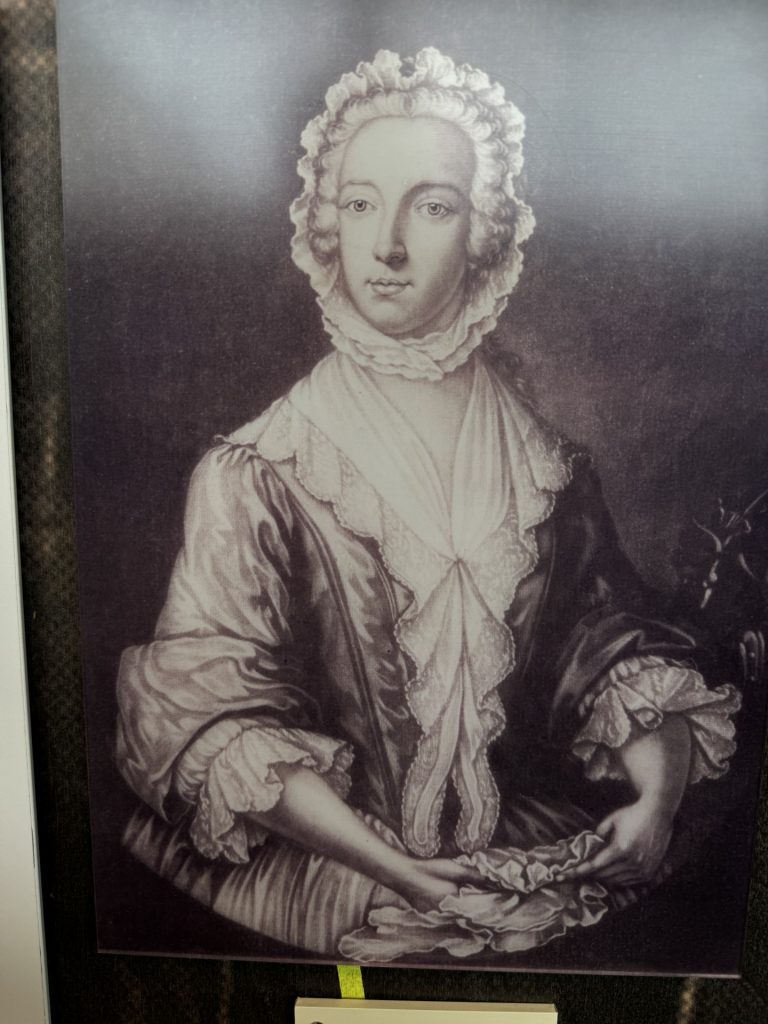
Bonnie Prince Charlie the fled to France where he schemed for years hoping to raise money and forces for another invasion .He never set foot in Scotland again. He spent the rest of his life in exile across France and Italy, sliding into severe depression and alcoholism. He died in Rome in 1788 at the age of 67.
His failed rebellion had catastrophic consequences for Scotland, leading the British government to systematically dismantle the traditional Highland clan system, ban the wearing of tartan, and prohibit the carrying of weapons.
Destination: Scotland England