A Short History of Menorca
The history of Menorca is shaped by its geographical isolation and its highly strategic position in the center of the western Mediterranean. For thousands of years, the island’s deep-water harbors made it a coveted jewel for the region’s greatest empires.
Prehistoric Beginnings (c. 2400 BC – 123 BC)
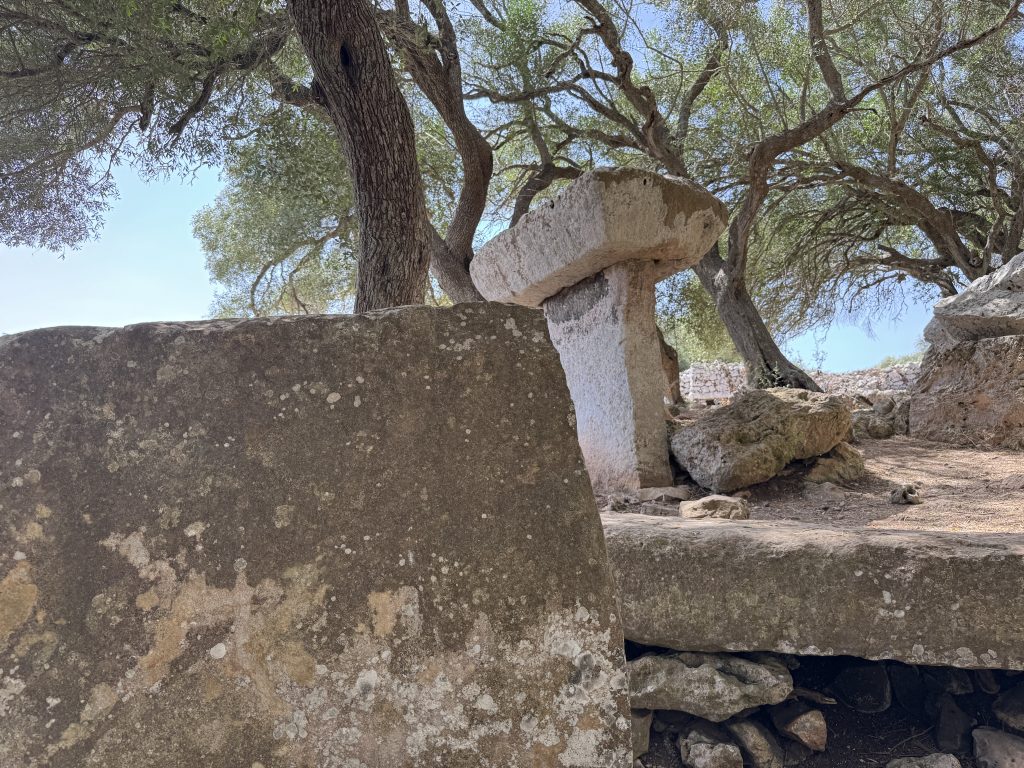
- The Naveta Era: Human presence began during the Bronze Age. Early inhabitants lived in caves and built distinctive, boat-shaped collective stone tombs known as navetas.
- The Talayotic Culture: Around 1400 BC, the island entered its richest prehistoric phase. Communities constructed massive stone watchtowers (talayots) and unique T-shaped stone sanctuaries called taulas.
- The Balearic Slingers: Menorcans became legendary throughout the Mediterranean for their lethal accuracy with stone slings, later serving as elite mercenaries for Carthaginian and Roman armies.
Antiquity and Islamic Rule (123 BC – 1287 AD)
- The Roman Empire: In 123 BC, Quintus Caecilius Metellus conquered the island for Rome. The Romans renamed it Minorica (“the smaller island,” compared to Mallorca) and established key port cities, including Mago (Mahón) and Iammona (Ciutadella).
- Vandals and Byzantines: Following the collapse of Rome, the island suffered centuries of successive raids and instability under the Vandals and the Byzantine Empire.
- The Moorish Caliphate: In 903 AD, Menorca was annexed into the Islamic Caliphate of Córdoba and renamed Minurka. For nearly 400 years, Islamic culture flourished, introducing advanced agricultural techniques and setting Ciutadella as the capital city.
The Christian Conquest and Pirate Raids (1287 – 1708)
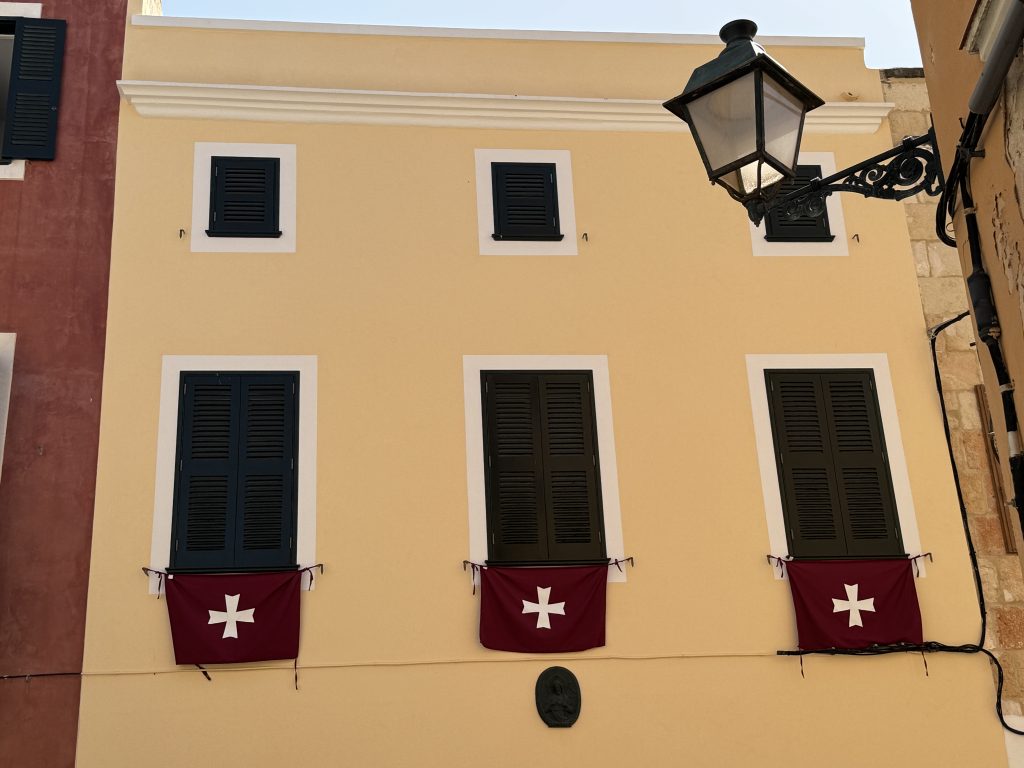
- Aragonese Rule: On January 17, 1287, Christian King Alfonso III of Aragón conquered the island. The remaining Muslim population was largely enslaved or ransomed, and Catalan became the dominant language. January 17 is still celebrated today as Menorca’s official national day.
- The Century of Terror: During the 16th century, the island became a target for Ottoman forces. In 1535, the notorious pirate Barbarossa sacked Mahón. In 1558, a massive Turkish armada completely razed Ciutadella, capturing over 3,000 residents and taking them to Constantinople as slaves.
The 18th-Century Global Tug-of-War (1708 – 1802)
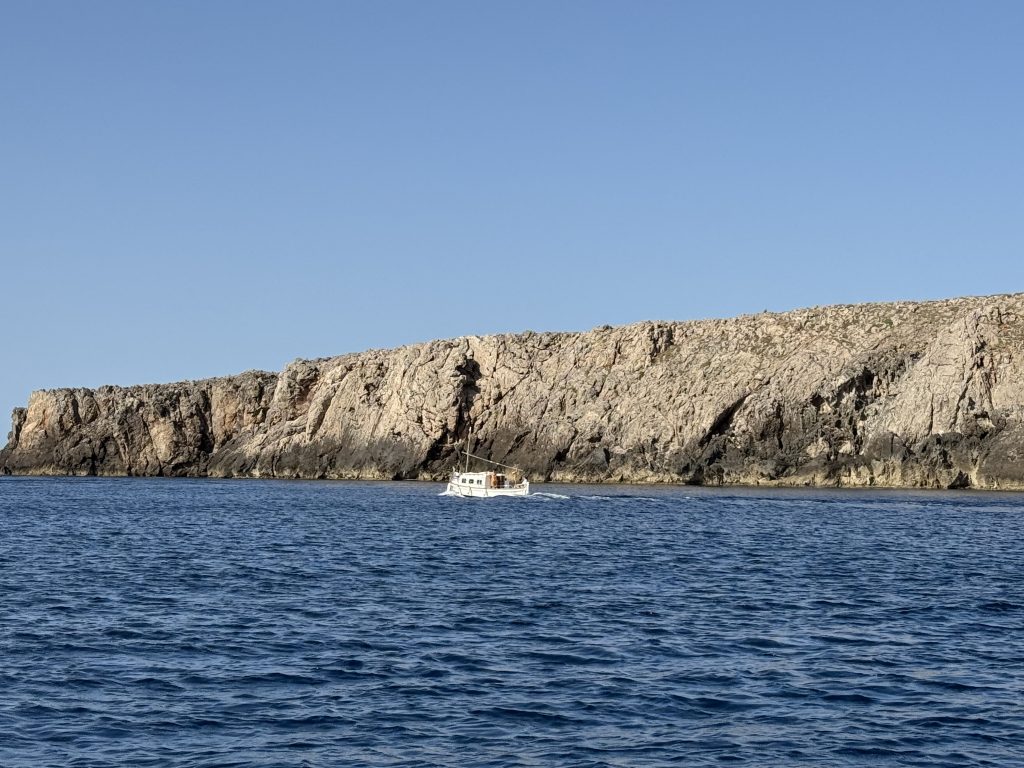
Because Mahón boasted one of the largest natural deep-water harbors in the world, Menorca became a major chess piece in European warfare:
- British Rule (1708–1756): Anglo-Dutch forces captured the island during the War of the Spanish Succession. The first British governor, Richard Kane, moved the capital from Ciutadella to Mahón to safeguard the Royal Navy. The British introduced Friesian cattle, built the island’s first major central road, and popularized gin.
- French Interlude (1756–1763): The French captured the island during the Seven Years’ War and founded the town of Sant Lluís.
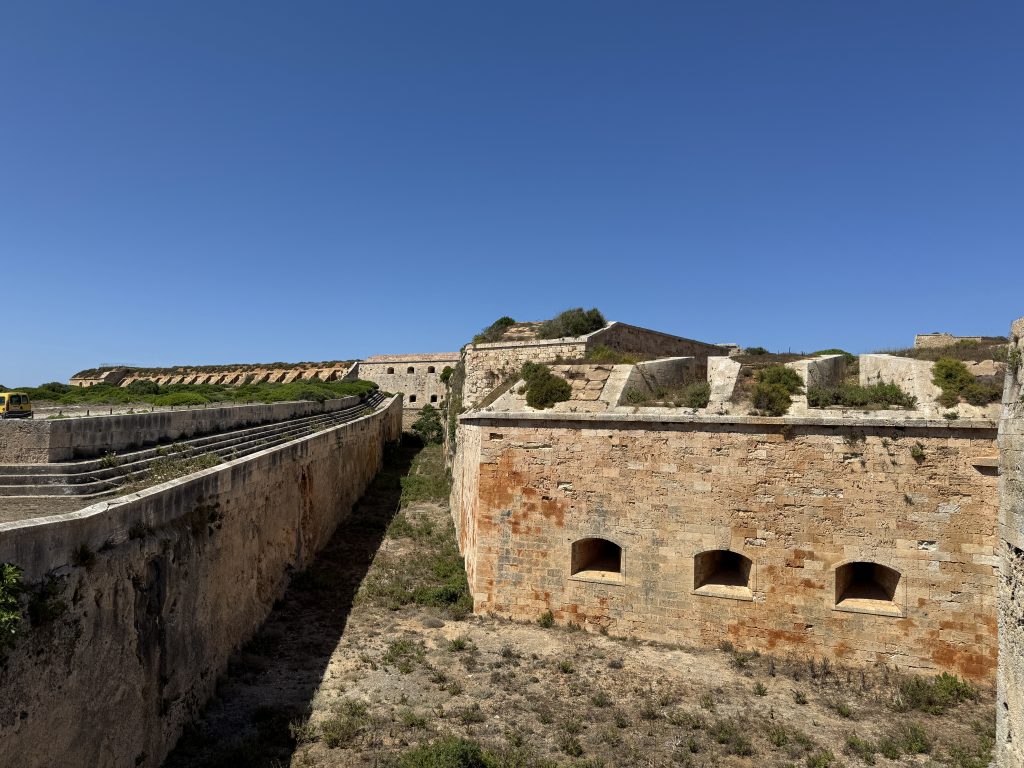
- Final Exchanges: Control bounced between Great Britain and a Franco-Spanish alliance multiple times. The British left a permanent mark on the local dialect, architecture (such as colonial sash windows), and coastal fortresses.
Return to Spain and Modern Era (1802 – Present)
- Permanent Spanish Sovereignty: The 1802 Treaty of Amiens officially returned Menorca to Spain for good.
- Industrialization: In the mid-19th century, Menorca diversified away from agriculture by establishing a globally successful footwear industry, silver purse manufacturing, and jewelry craftsmanship.
- The Spanish Civil War: When the war broke out in 1936, Menorca remained strictly loyal to the Republican side, while the neighboring Balearic Islands quickly fell to Franco’s Nationalists. The island was bombed by Italian forces but avoided heavy ground combat.
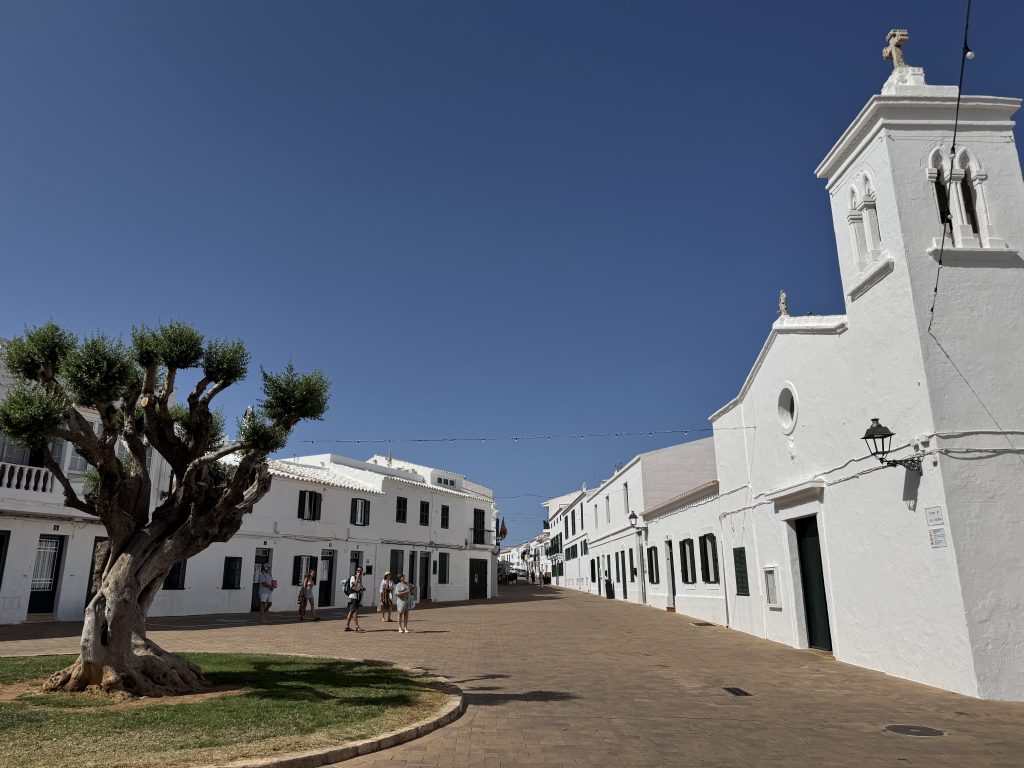
- The Tourism Age & Biosphere Reserve: While Mallorca and Ibiza embraced massive commercial resort expansion in the 1960s, Menorca chose a highly preserved route. In 1993, the island was designated a UNESCO Biosphere Reserve, strictly protecting its natural landscapes, idyllic coves, and massive collection of archaeological sites.
Destinations: Spanish Islands / Spain