The Eastern Islands of Al-Andalus; The Moors of the Balearic Islands
The Moorish rule of the Balearic Islands lasted for over 300 years, spanning from the official conquest in 902–903 AD until the Christian Reconquista in the 13th century. During this era, the archipelago was transformed into a prosperous Mediterranean cultural and economic hub integrated into the wider Islamic civilization of Al-Andalus.
Early raids from 711 to 902 AD followed the initial conquest of mainland Spain. The Moors launched sporadic maritime raids on the islands but did not establish a permanent presence, leaving them largely isolated or under nominal Byzantine/Carolingian ties.
Official Annexation occured in 902–903 AD. Commanded by Isam al-Khawlani, a Moorish fleet formally conquered the islands and incorporated them into the Emirate of Córdoba.
The Taifa Era & Almoravid era lasted for two centuries from 1015–1229 AD. Following the collapse of the Córdoba Caliphate, control shifted to the Taifa of Dénia, and later dynasties of the Almoravid and Almohad empires.
The Christian Conquest occured from 1229 to 1287.King James I of Aragon invaded Mallorca in 1229, ending Muslim rule in Palma. Ibiza fell in 1235, and Menorca was finally captured in 1287.
The Moors had renamed the islands and major cities using Arabic terminology
Mallorca became Mayurqa, and its capital, Palma, was named Medina Mayurqa.
Menorca was known as Menurka, with its main town centered at Jamma (modern-day Ciutadella).
Ibiza was called Yabisa.
Though centuries have passed, the Moorish footprint remains highly visible across the islands’ landscape, infrastructure, and culture.
Agricultural Innovations: The Moors introduced advanced irrigation engineering, utilizing underground water channels called qanats and constructing extensive stone-terrace farming (marjadas) into the steep Tramuntana mountains. They also brought new crops to the islands, including rice, saffron, artichokes, and citrus fruits.
Architecture: The Almudaina Palace in Palma was originally built as a Moorish fortress (almudaina meaning citadel). The city’s famous Cathedral of Santa Maria (La Seu) sits directly atop the footprint of the former central mosque.
The Arab Baths: Located in the old quarter of Palma, the Banys Àrabs feature well-preserved horseshoe arches and columns, standing as one of the few completely intact examples of Islamic civic architecture on the island.
Linguistics: Countless towns and regions retain Arabic roots. The common prefix Bini- (meaning “sons of”) can be found in town names like Binissalem or Binibeca, while the town of Valldemossa derives its name from a wealthy Moorish landowner, Sayyid Musa.
Menorca
While Menorca was ruled by Muslims for nearly 400 years (903–1287 AD when it was known as Manûrqa, very few standing Moorish monuments remain today. When King Alfonso III conquered the island, almost all Islamic architectural structures—such as mosques and palaces—were systematically demolished, rebuilt into Christian structures, or built over.
Menorca (Menurka) survived the longest as an independent Islamic enclave, existing as a Muslim vassal state for nearly 60 years after Majorca fell. However, you can still visit a few critical archaeological sites and historic spaces that hold deep Moorish history
Castell de Santa Àgueda; Situated on the third-highest peak of Menorca, this ruined hilltop fortress was the foremost military stronghold of the Moors on the island. Built over ancient Roman foundations, it was the final site of Muslim resistance before the island fell to Alfonso III of Aragon in 1287. You can hike up the original Roman-Moorish stone path to view the defensive walls and cisterns.
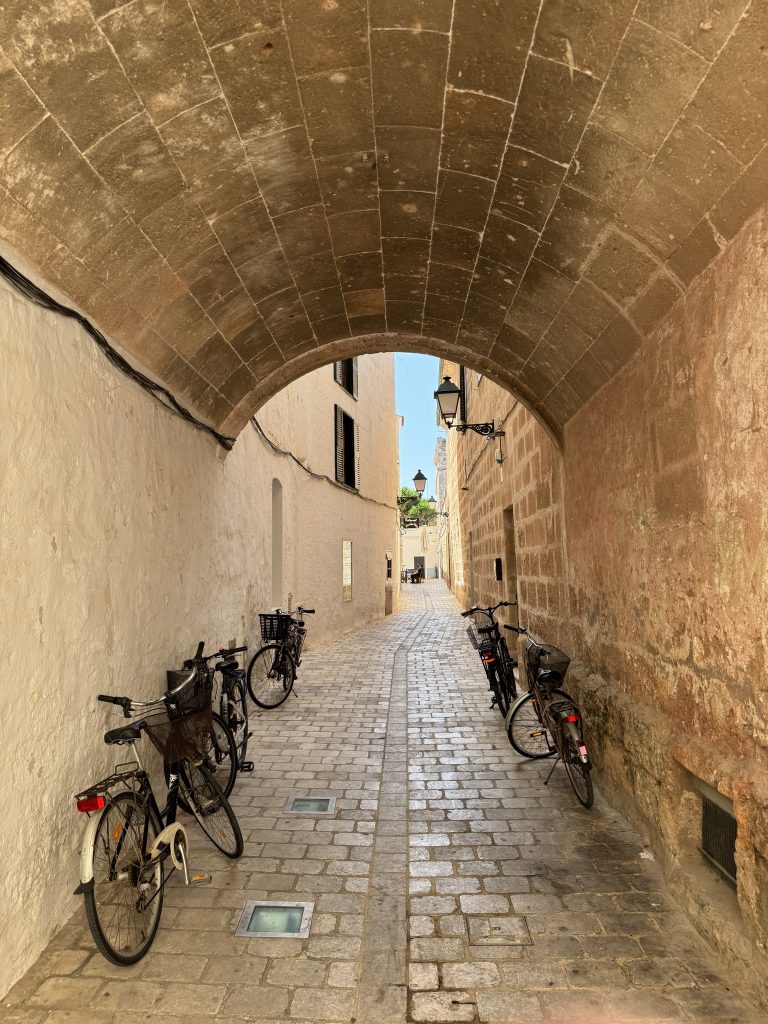
The Streets of Ciutadella; Under Moorish rule, Ciutadella was the island’s capital, known as Jamma. The labyrinthine, narrow, winding layout of the old town quarter directly mimics classic Islamic urban planning designed for defense and shade.
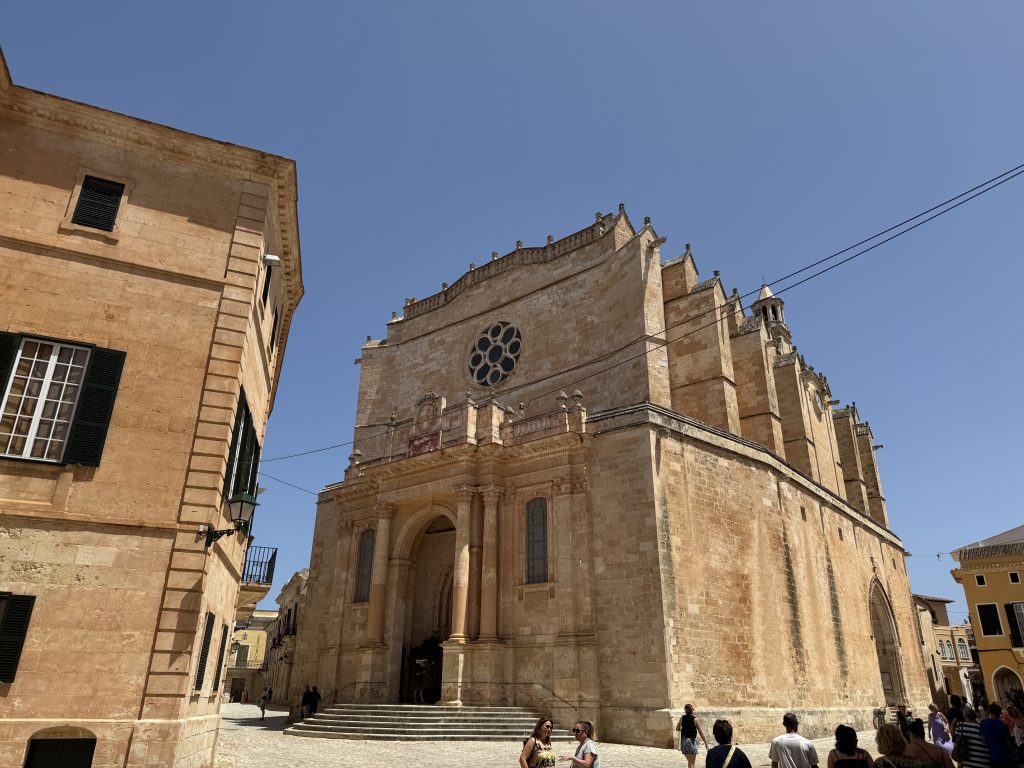
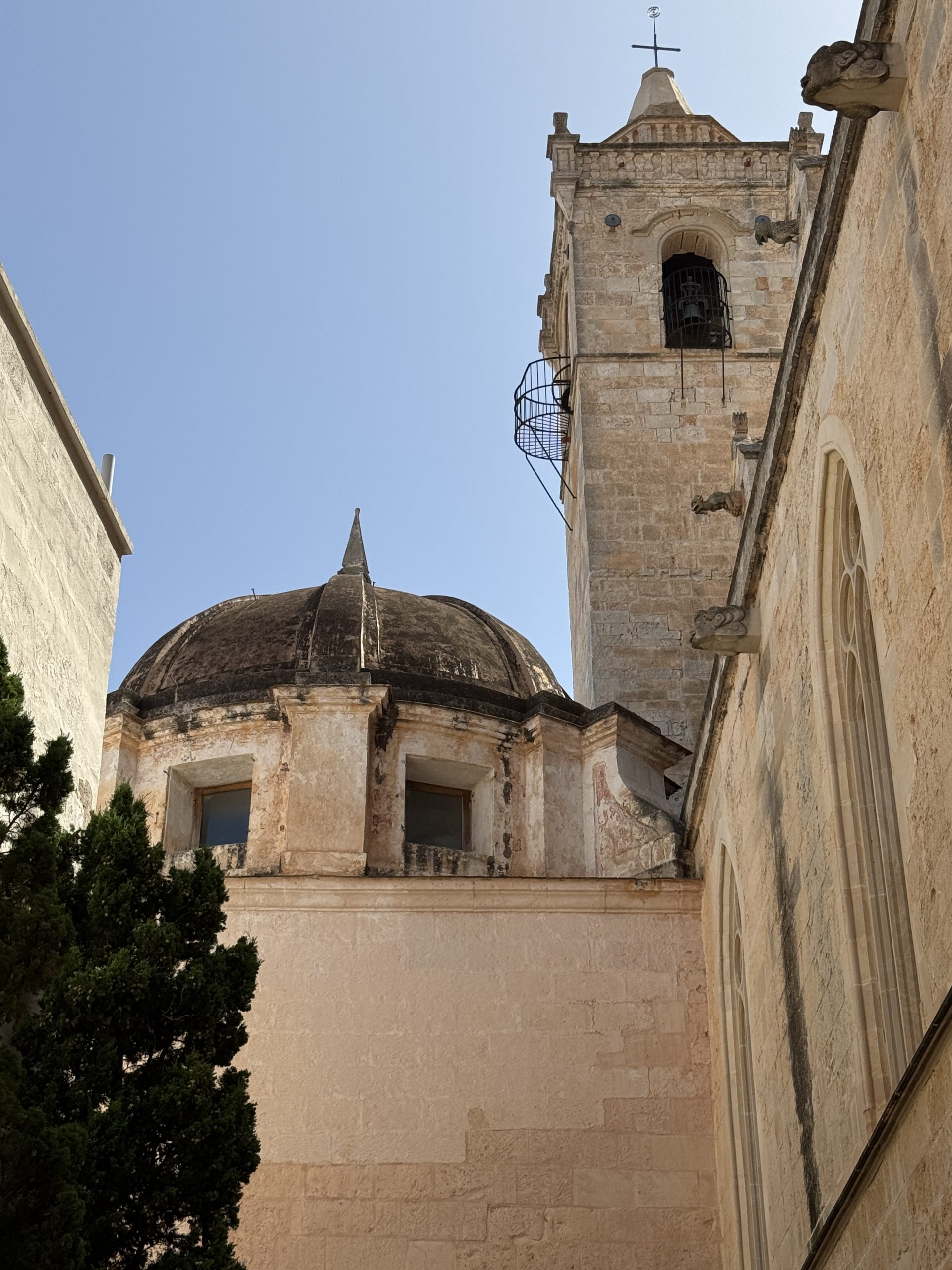
The Cathedral of Menorca; Built by King Alfonso III on the site of the old town’s central mosque, the lower section of the church’s bell tower is actually the surviving minaret of the original Moorish mosque.
Destinations: Spain / Spanish Islands