Great Italian Painters of the Renaissance
The Italian Renaissance produced some of the most influential painters in history, revolutionizing art through the mastery of perspective, human anatomy, and dramatic lighting. The period was dominated by three towering masters, supported by pioneering artists of the Early Renaissance and the Venetian school.
The High Renaissance Masters
- Leonardo da Vinci (1452–1519): The quintessential “Renaissance Man,” Leonardo was a polymath who perfected sfumato (the subtle blending of tones) and atmospheric perspective. His iconic works include The Last Supper and the Mona Lisa.
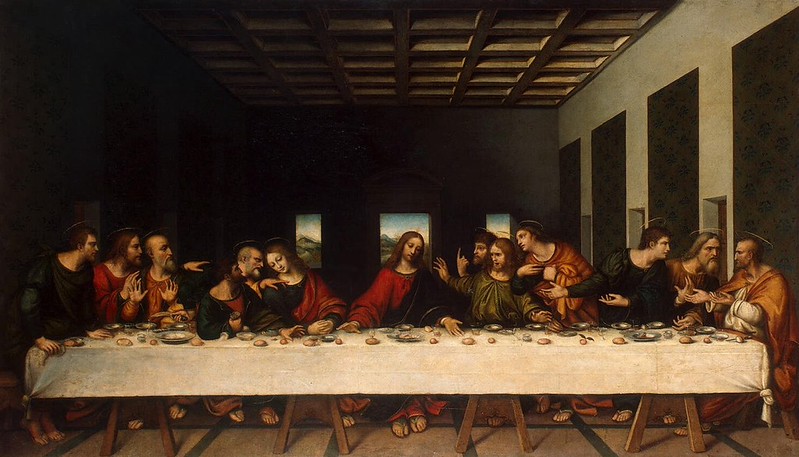
The Last Supper - Michelangelo (1475–1564): Although he primarily considered himself a sculptor, Michelangelo’s frescoes for the Sistine Chapel ceiling and The Last Judgment in Rome remain monumental achievements in Western art, celebrated for their dynamic human anatomy and muscular power.
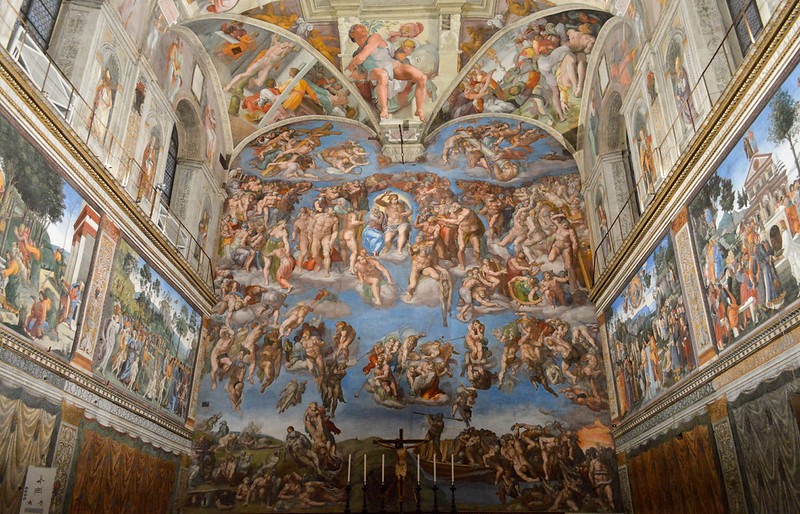
The Last Judgement - Raphael (1483–1520): Known for his harmonious compositions and clarity of form, Raphael defined the grace of the High Renaissance. His masterpiece, The School of Athens, is a famous visual celebration of classical philosophy.
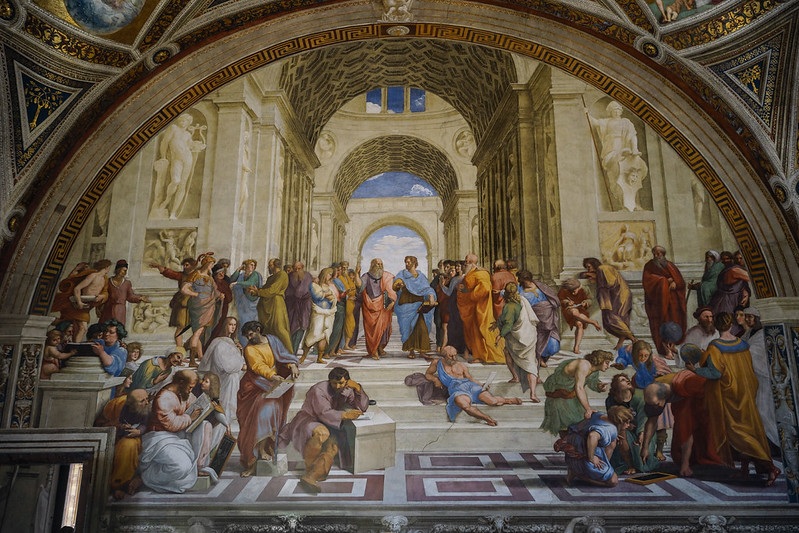
The School of Athens
The Early Renaissance Pioneers
- Sandro Botticelli (1445–1510): A key figure in the Florentine school, Botticelli is celebrated for his lyrical, poetic style and mythological scenes. His most famous paintings include The Birth of Venus and Primavera.
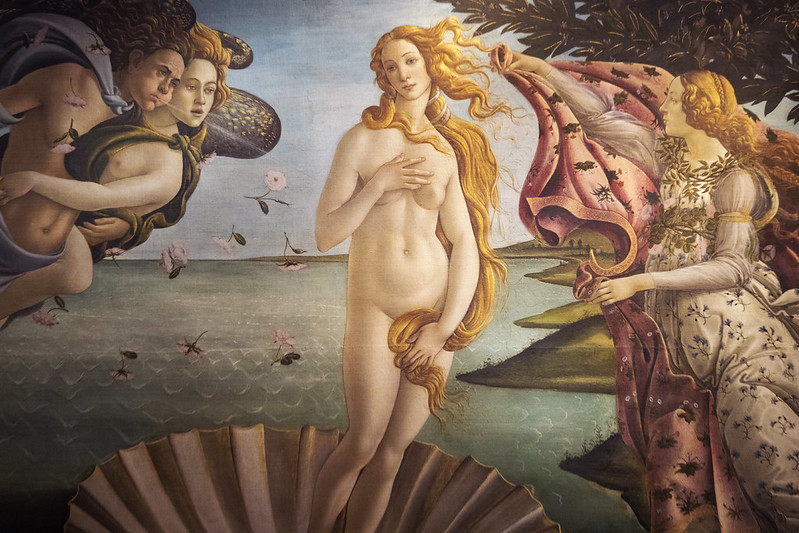
The Birth of Venus - Giotto di Bondone (1266–1337): Often considered the herald of the Renaissance, Giotto broke away from the rigid, flat style of the Byzantine era to introduce lifelike emotions, volume, and three-dimensional space in his frescoes, notably in the Scrovegni Chapel.
The Venetian Masters
- Titian (1488–1576): The most important member of the 16th-century Venetian school, Titian was renowned for his vibrant, revolutionary use of color and fluid brushwork, which heavily influenced later European painters. His notable works include Assunta and Venus of Urbino.
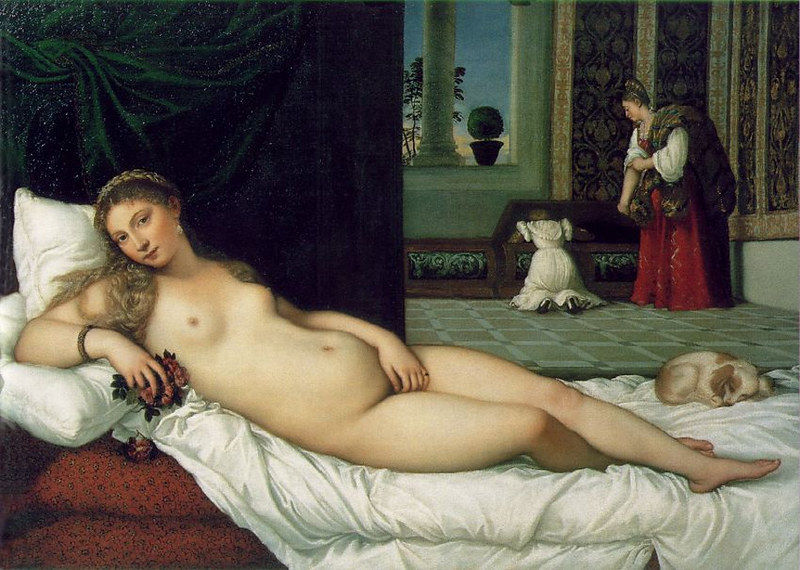
The Venus of Urbino - Giovanni Bellini (c. 1430–1516): Bellini is widely regarded as the father of Venetian painting, introducing lush colors and atmospheric light that became the hallmark of the region’s art.
Destination: Italy