The Baltic: Super Highway of Medieval Europe
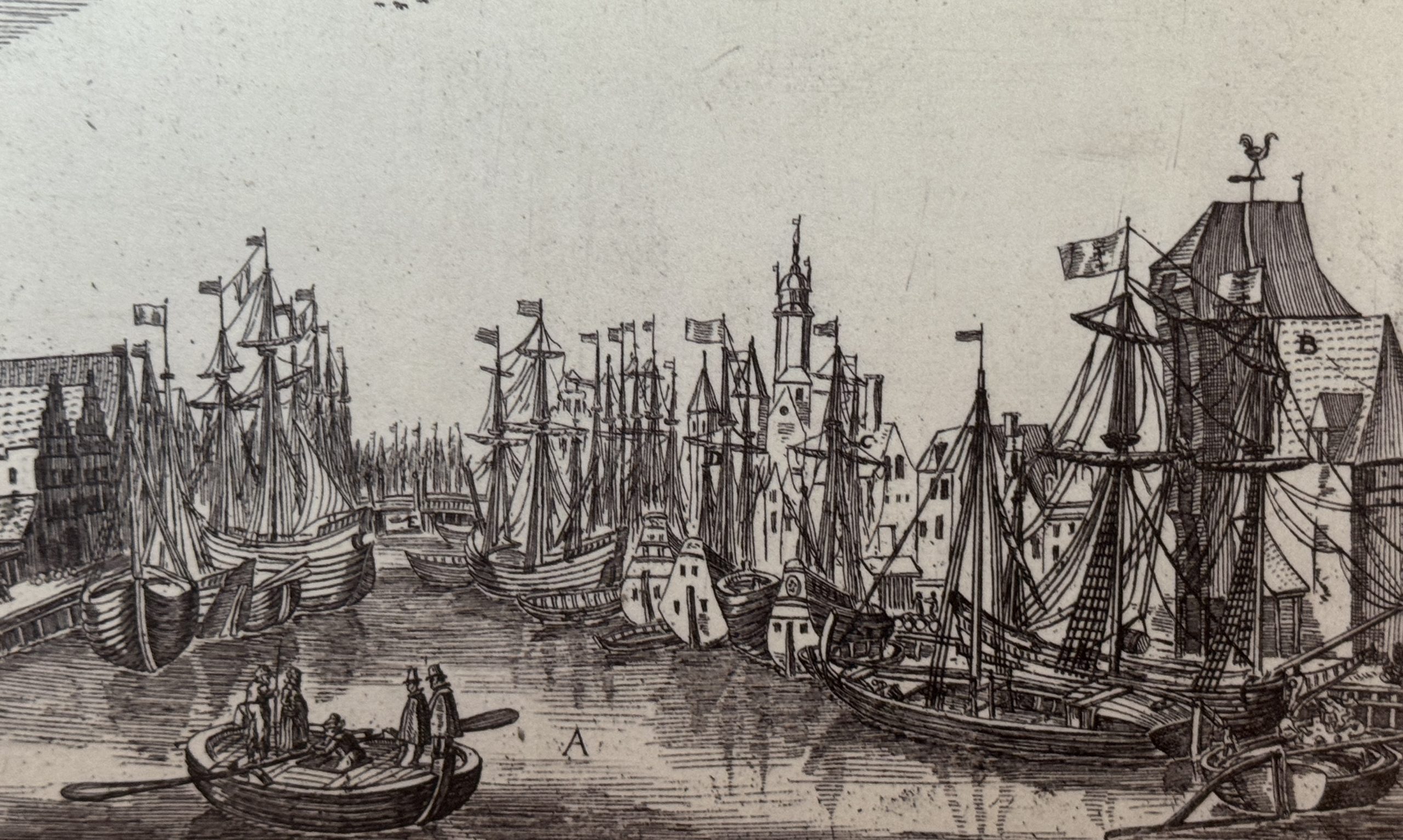
The Baltic region became a global economic powerhouse in the Middle Ages because it served as the ultimate maritime super highway connecting the resource-rich wilderness of Russia and Scandinavia with the wealthy, manufacturing economies of Western Europe.
While the Mediterranean traded in luxury goods like silk and spices, the Baltic cornered the market on the bulk raw materials that literally built, fed, and fueled medieval Europe.
Western Europe desperately needed these “survival commodities” but could not produce them in high quantities
Western European navies relied entirely on the Baltic for timber (especially straight Baltic oak for hulls), hemp for ropes, and pitch/tar for waterproofing ships.
The Baltic’s massive herring migrations provided an endless supply of protein. Salted herring was the most critical food source for Christian Europe during Lent and fast days.
Before electricity, the medieval Catholic Church required thousands of tons of beeswax for candles. The Baltic (via Russian forests) held a near-monopoly on high-quality wax, alongside luxury furs worn by European royalty.
Strategic Geography
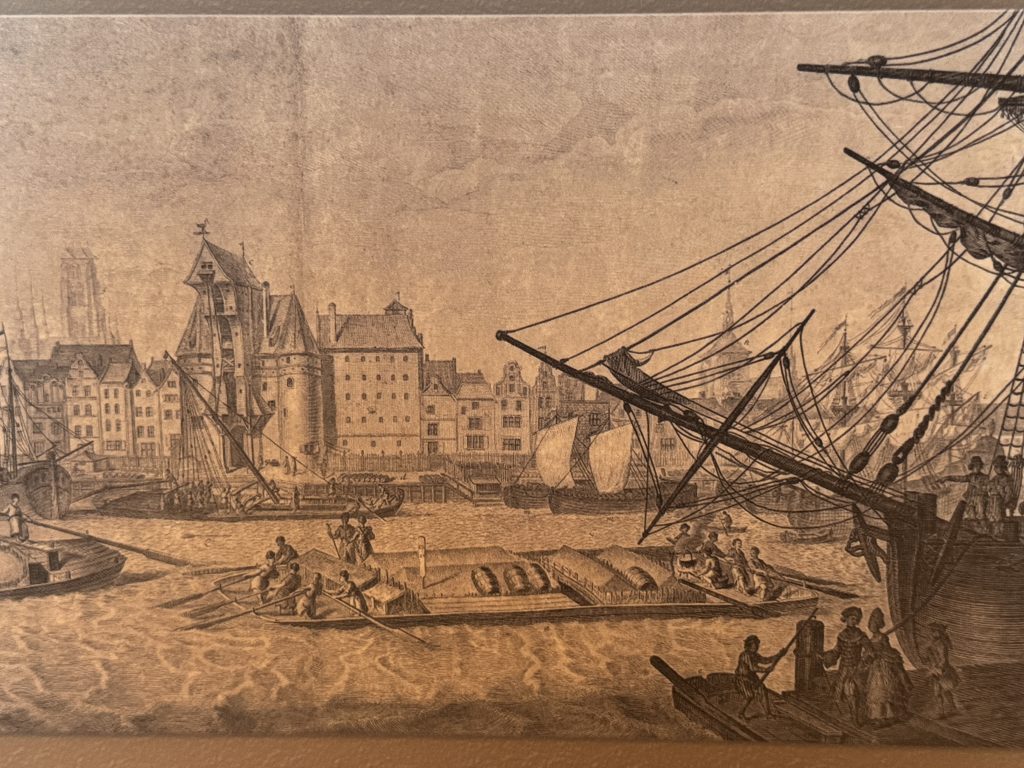
The Baltic Sea functions like a massive, sheltered inland lake with very narrow exits to the North Sea and Atlantic Ocean (the Danish Straits).
Whoever controlled these narrow waterways—primarily Denmark and later the Hanseatic League—could tax every single ship entering or leaving the Baltic.
Major rivers like the Rhine, Elbe, Vistula, and Dvina empty into the Baltic. These “river superhighways “acted as natural conveyor belts, allowing merchants to move heavy goods deep from the interiors of Poland, Germany, and Russia right to the coast for easy shipping.
The Shift from Vikings to Merchants
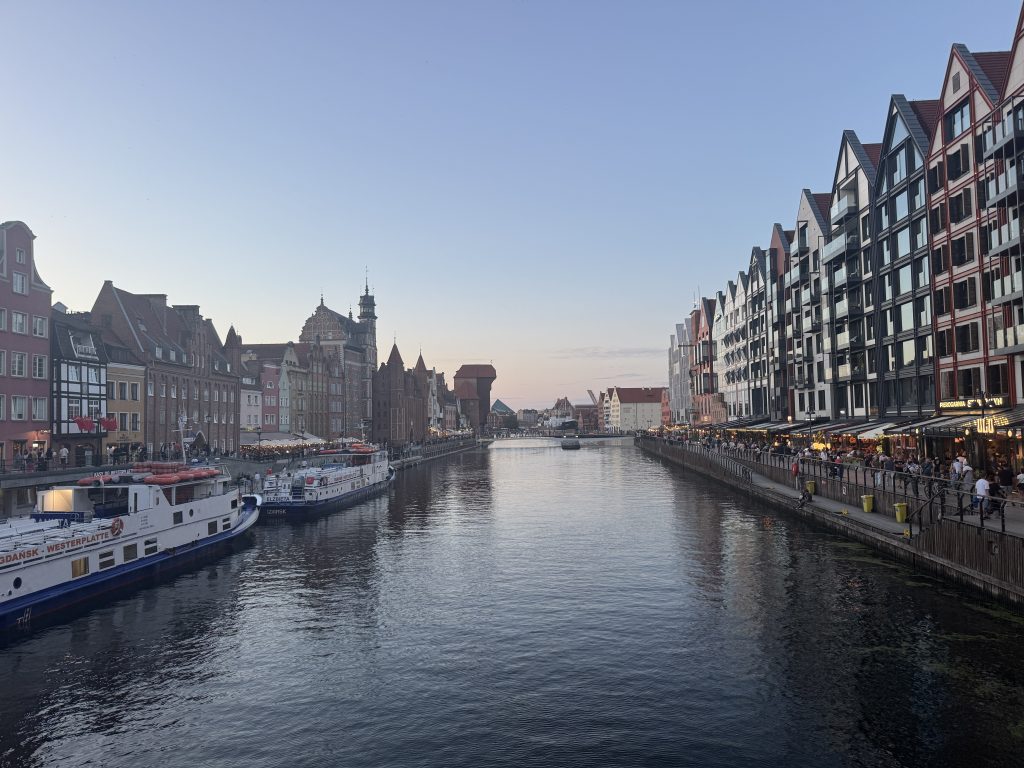
During the early Middle Ages, the Baltic was defined by Viking raids. By the 12th and 13th centuries, this military energy shifted into commercial organization. The Crusades in the Baltic (the Northern Crusades) forced the region into the European Christian sphere. This attracted waves of German merchants who founded heavily fortified, self-governing port cities (like Danzig, Riga, and Tallinn) designed explicitly to maximize international trade.
The Rise of the Hanseatic League
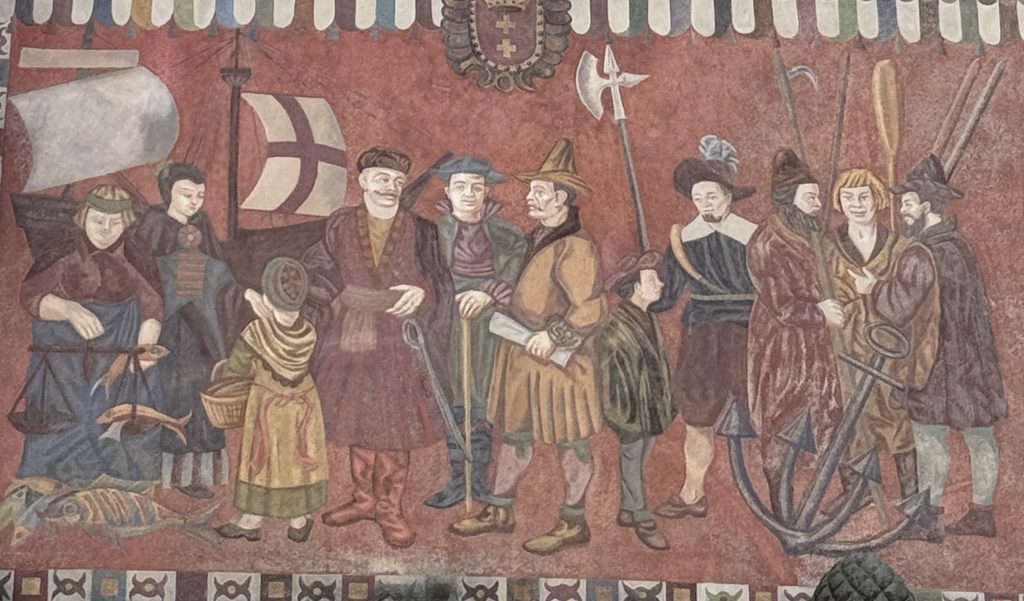
The Baltic became a geopolitical force because its cities learned to cooperate rather than fight. By forming the Hanseatic League, Baltic cities pooled their wealth to build massive navies, wipe out piracy, and dictate economic terms to major kingdoms. If a king in London or Bruges refused to give Baltic merchants special tax breaks, the League would simply cut off the supply of timber and grain, forcing the monarchs to surrender to their demands.
The “Grain Basket” of Europe
As Western Europe’s population boomed in the high Middle Ages, countries like England, Flanders, and France ran out of farmland to feed their growing cities. The vast plains of Poland and Prussia (connected via the Baltic port of Danzig) became the “grain basket” of Europe, exporting millions of tons of rye and wheat westward to prevent large-scale famines.
Destinations: Poland / Germany / Lithuania / Russia / Estonia / Latvia / Denmark / Sweden /