Chad
Chad is a landlocked country located in north-central Africa. It is bordered by Libya to the north, Sudan to the east, the Central African Republic to the south, Cameroon and Nigeria to the southwest, and Niger to the west.
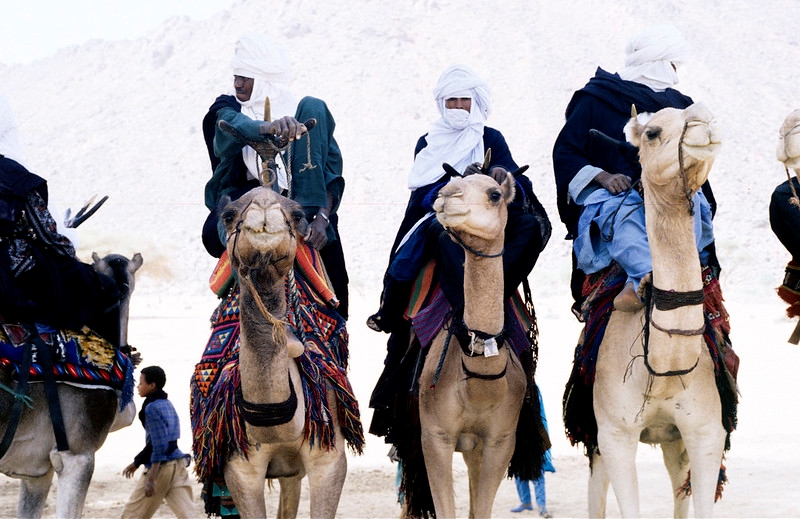
The northern part of Chad is dominated by the Sahara Desert, characterized by arid conditions and sand dunes.
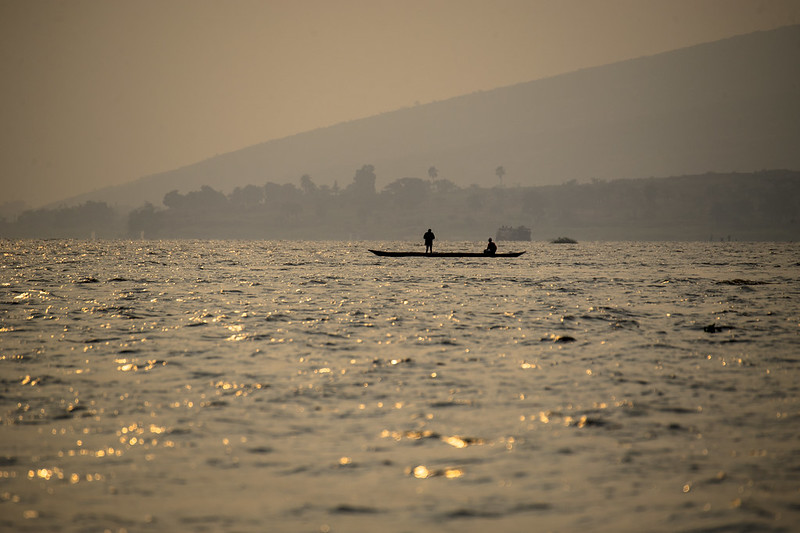
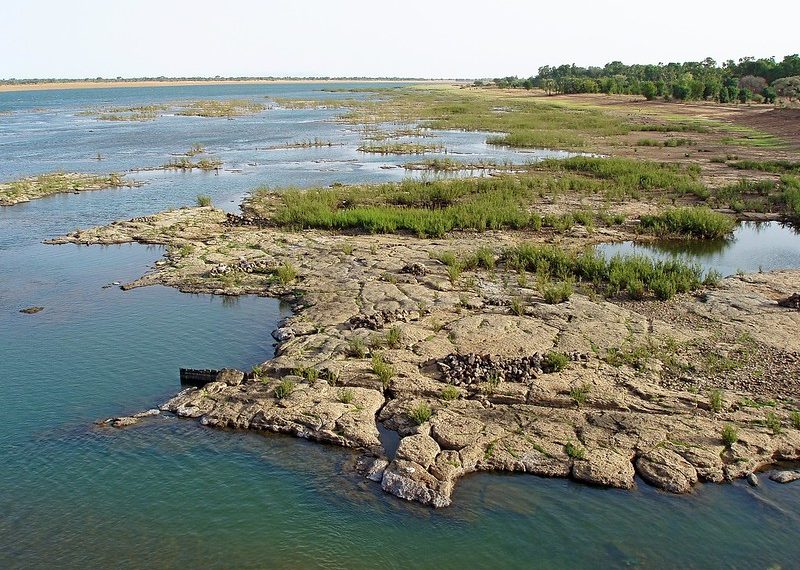
In the western part of the country lies Lake Chad, which has been a vital resource for agriculture and fishing, although it has significantly shrunk in size over the years.
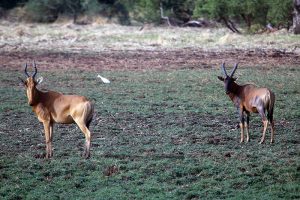
South of the desert, the Sahel region features savannahs and semi-arid zones, which support agriculture and livestock.
Read More
History
Chad has has been inhabited for thousands of years, with evidence of ancient cultures, such as the Kanem-Bornu Empire, which flourished from the 9th century AD.
In the late 19th century, Chad became a part of French Equatorial Africa. It was officially declared a colony in 1920.Chad gained independence from France in 1960. However, post-independence, the country faced political instability, including civil wars and conflicts.
Culture
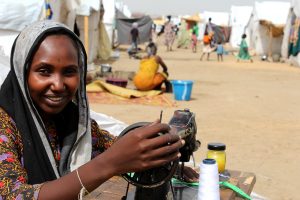
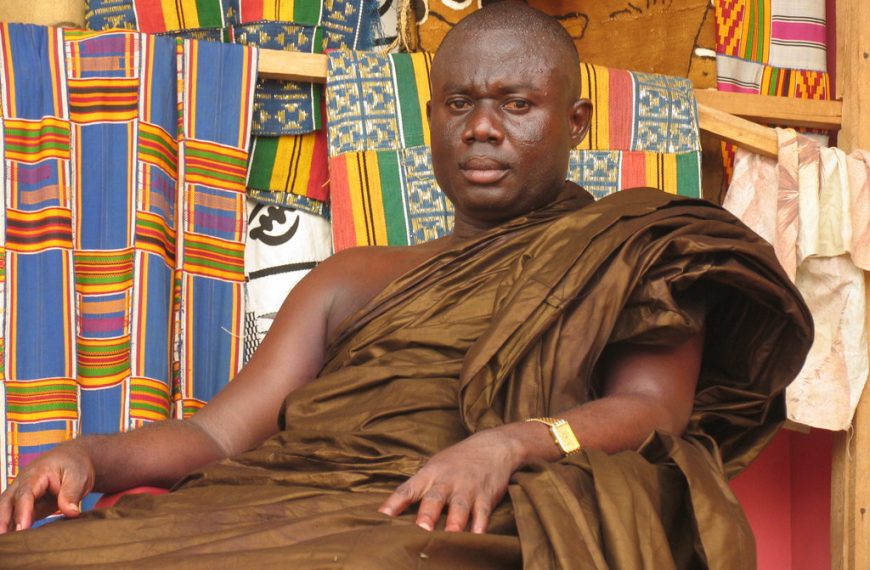
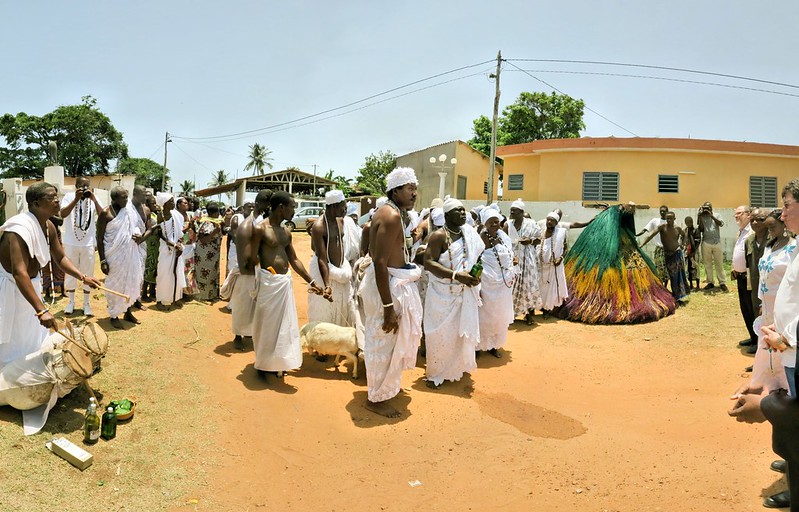
Chadian culture is diverse, reflecting its multi-ethnic population, which includes over 200 ethnic groups:
The official languages are French and Arabic, but many indigenous languages are spoken, such as Sara, Chadian Arabic, and Kanembu.
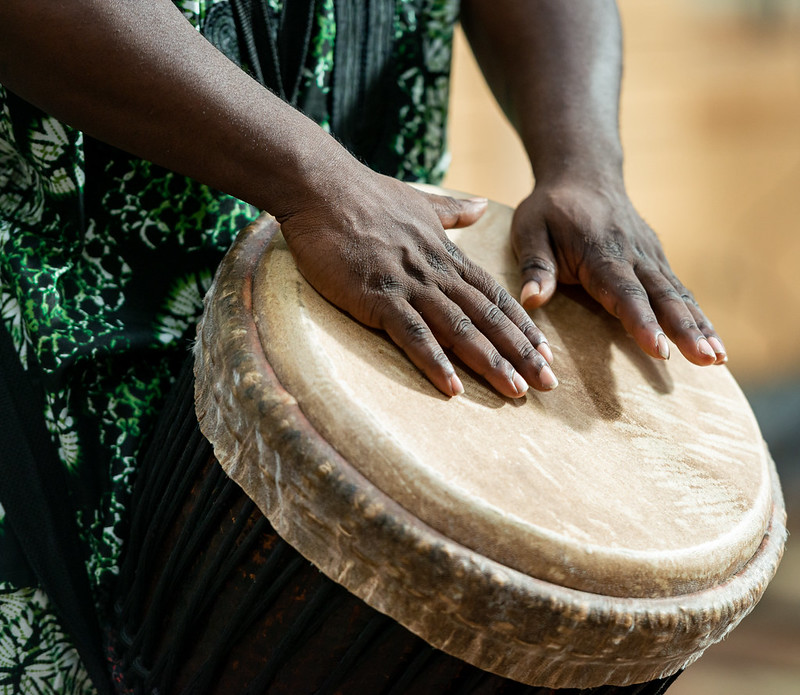
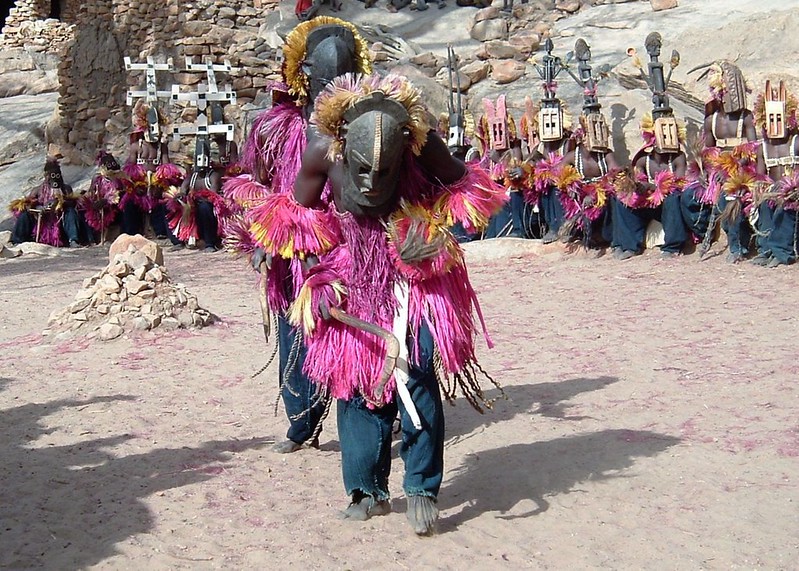
Chad has a rich tradition of music, dance, and visual arts. Traditional music often involves instruments like the ngoma (drum) and the oud (string instrument).
Chadian cuisine includes staple foods like millet, sorghum, and rice, often accompanied by stews made from meat or vegetables. One popular dish is “boulle,” a thick porridge made from millet.