Mighty Fort: The Fortress of Isabel II
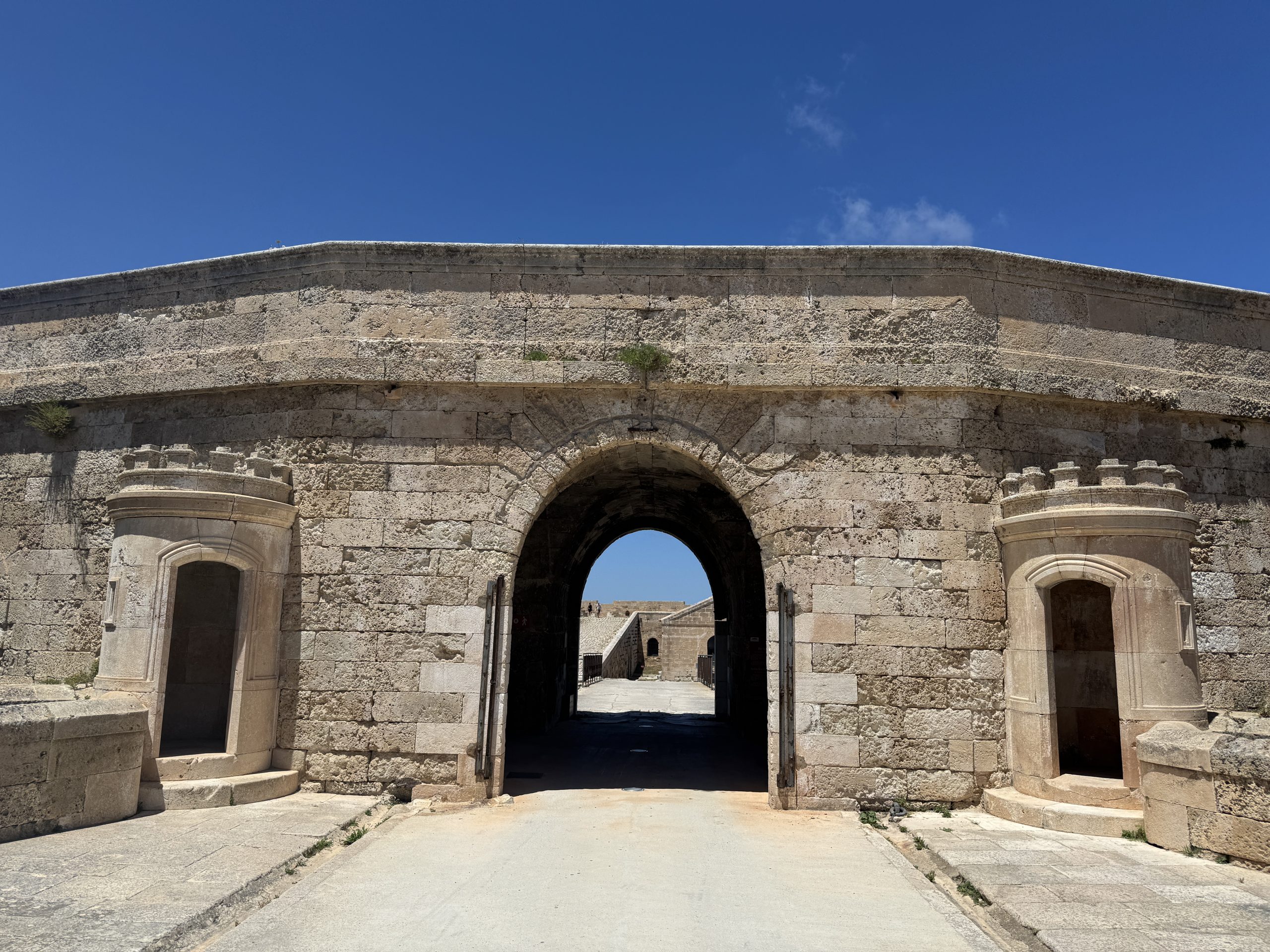
Fortslezza de La Mola (Fortress of Isabel II) is located at the north side of the Mahon harbour mouth, in Menorca. This is one of the largest 19th-century European fortresses. Sprawling across an entire headland, it features magnificent underground galleries, massive defensive walls, and the striking Vickers gun batteries.
La Mola Fortress was built in Mahón to protect the strategic Port of Mahón from British and French invasions during a period of intense geopolitical rivalry in the Mediterranean.
Officially named the Fortress of Isabel II, construction began in 1850 under the orders of Queen Isabel II of Spain. This decision followed the destruction of the older nearby defensive stronghold, which had left the vital harbor entirely exposed.
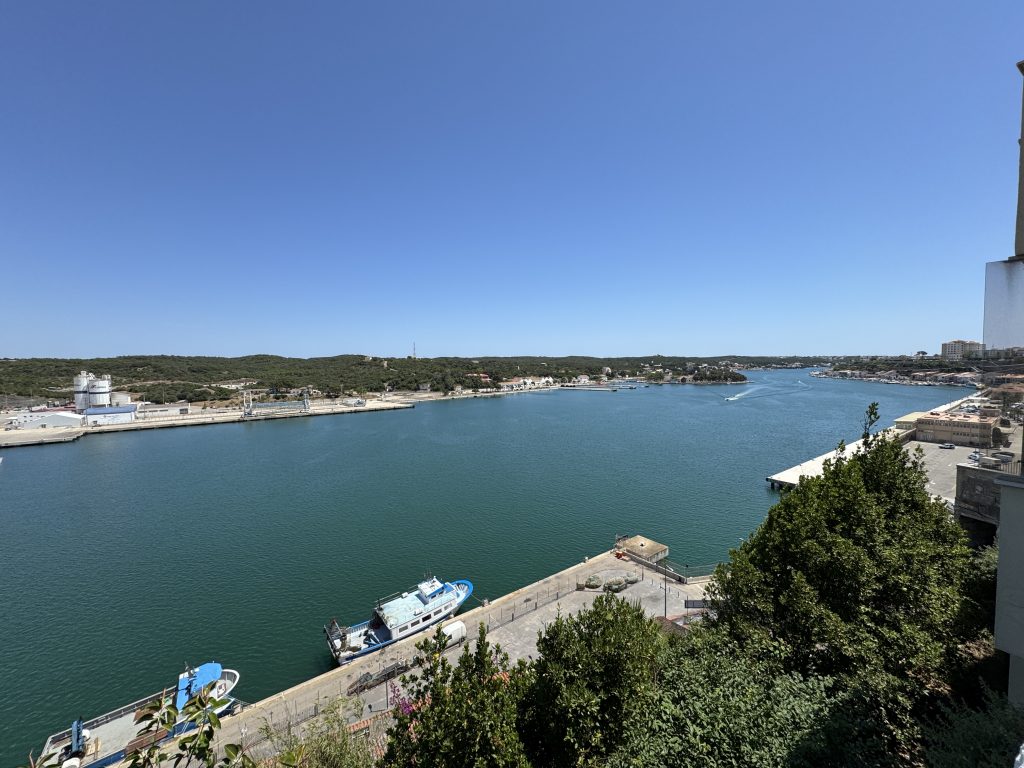
The Port of Mahón is the second largest natural harbor in the world. Its massive size and depth made it a highly prized deep-water anchorage for naval superpowers seeking dominance over Mediterranean trade routes. Menorca sits directly at the crossroads of major shipping lanes, particularly between British-held Gibraltar and Malta, and French-held Toulon and Algiers.
Positioned on the north shore at the very mouth of the harbor, the La Mola peninsula is the easternmost point of Spanish territory. This exact geographic feature allowed the military to control all naval entry into the bay.
The location allowed military engineers to build a polygonal front. This design used natural cliffs for sea protection while setting up advanced defensive lines on the land side to intercept any troops attempting a backdoor ground assault.
Though it stands as one of the largest and best-preserved 19th-century European fortifications, La Mola was already obsolete by the time construction ended in 1875. Rapid advances in rifled artillery and naval warfare outpaced the fortress’s design before it could ever be tested in battle. Because of this, it was never attacked, which is the primary reason the walls, underground galleries, and powder magazines remain in pristine condition for visitors today.
The main architectural and defensive elements of La Mola Fortress are organized into a German-style “tenaille” polygonal system split between land and sea defenses.
The fort also features a massive parade ground (Plaza de Armas) that originally held the main artillery pieces.
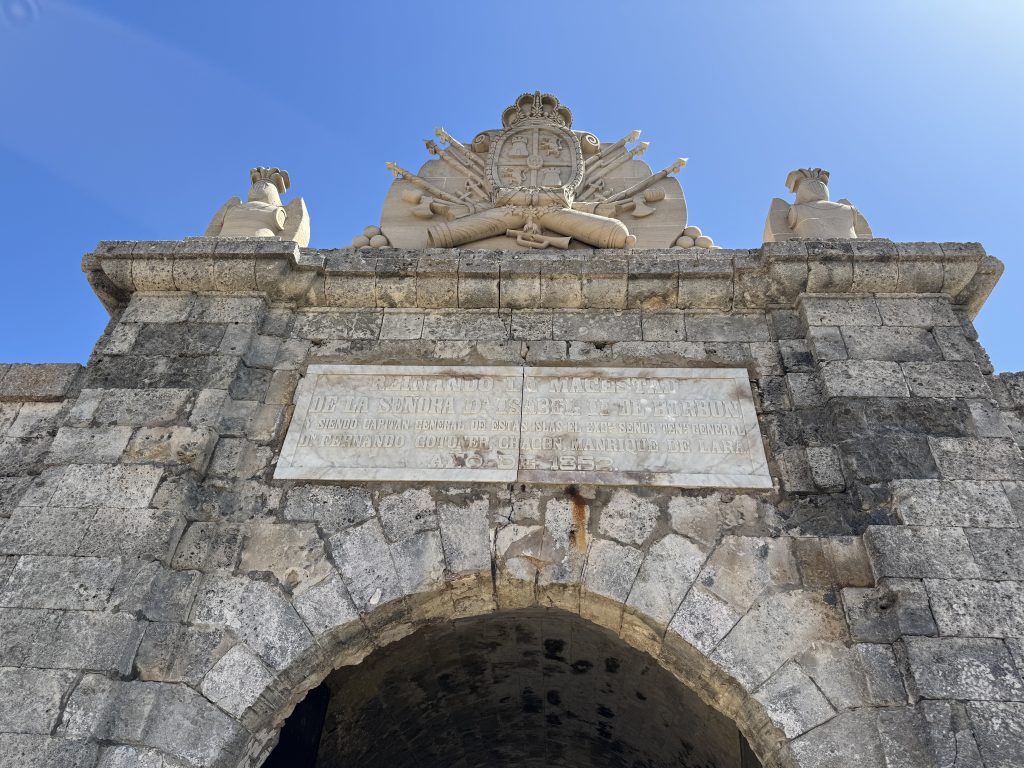
The Queen’s Gate (Puerta de la Reina)is the majestic, highly fortified, and ornamental entrance to the complex, named in honor of Queen Isabel II.
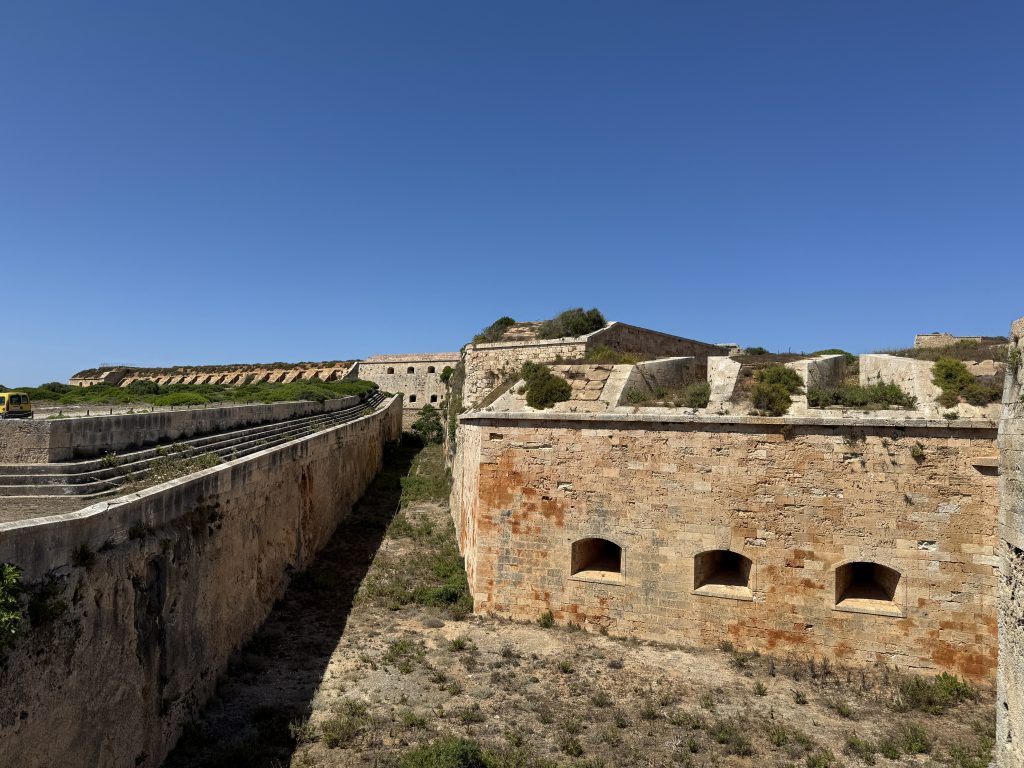
The Moat is wide, deep defensive ditch spanning 1,500 meters that completely wraps around the landward front walls to prevent infantry breaches.
The Loophole Gallery is a covered defensive corridor extending for nearly half a kilometer along the moat. It features 48 stone arches rigged with individual casemates for angled rifle and gunfire.
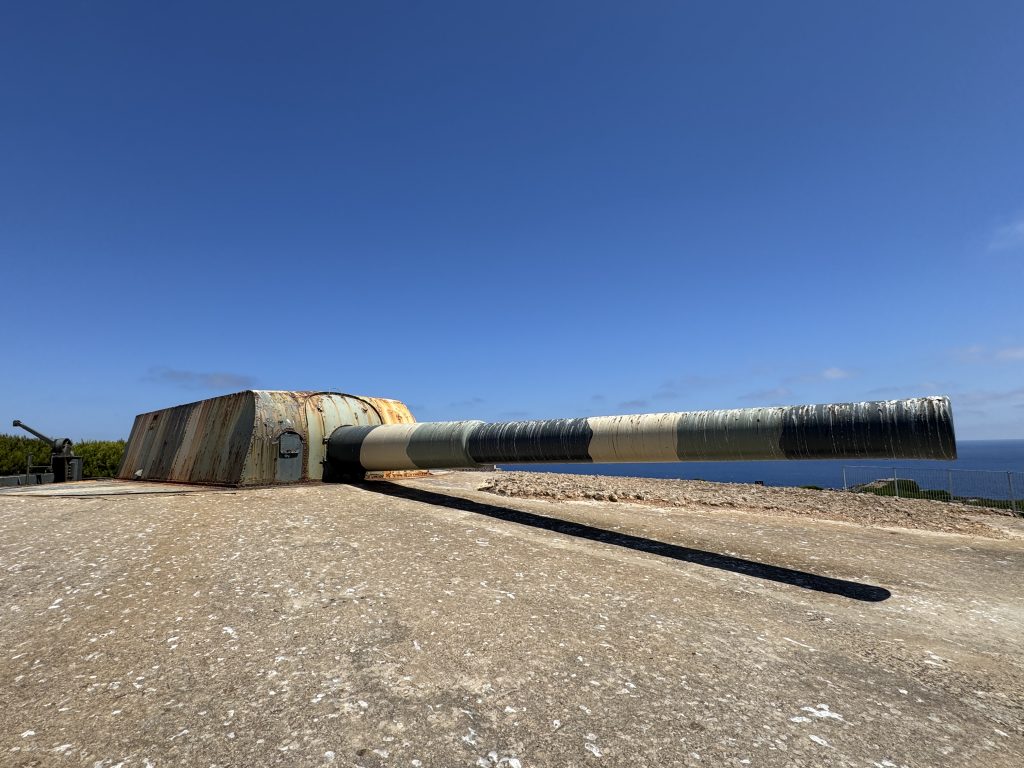
The Vickers Guns are two massive, active 381mm coastal defense naval guns manufactured in 1933. Perched at the highest viewpoint of the peninsula, they boast a firing range of 35 kilometers.
The Mine is an Underground Labyrinth- a network of subterranean galleries, tunnels, and secure vaults used for storing gunpowder, munitions, and provisions safe from naval bombardments.
While La Mola Fortress is generally praised for its exceptional overall state of preservation, specific buildings and defensive zones inside the complex are either partially ruined or completely derelict:
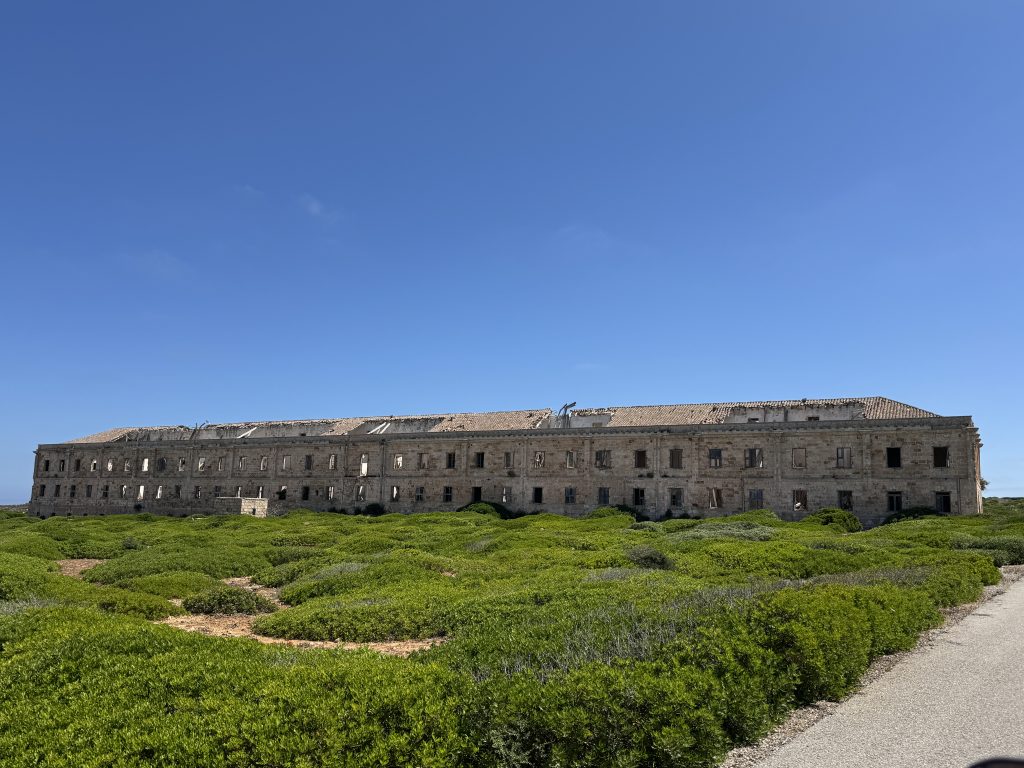
The Military Barracks (Los Cuarteles, located in the northern sector of the peninsula, are original 19th-century soldier accommodations that stand in a state of semi-ruin. Decades of abandonment left them without roofs, exposing their inner stone archways.
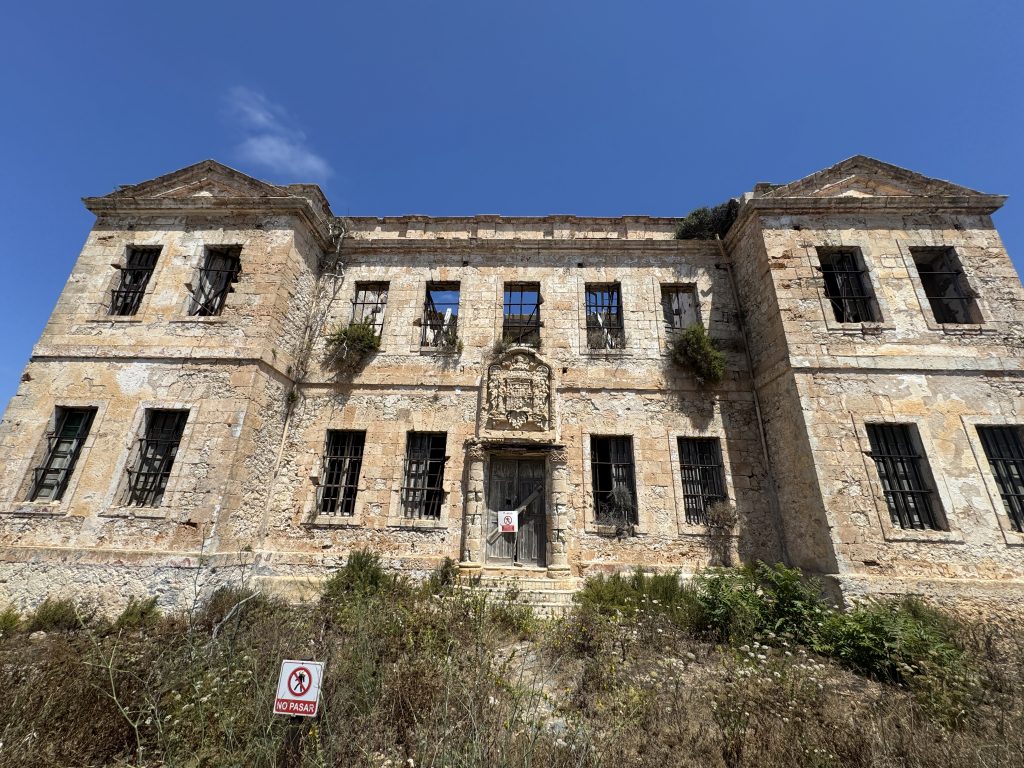
The Military Prison Complex, originally engineered in 1868 as a food and administration warehouse before its mid-century conversion, features heavily derelict interior structures.
Destination: Spanish islands